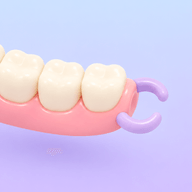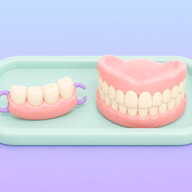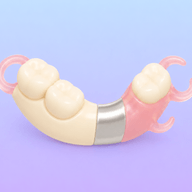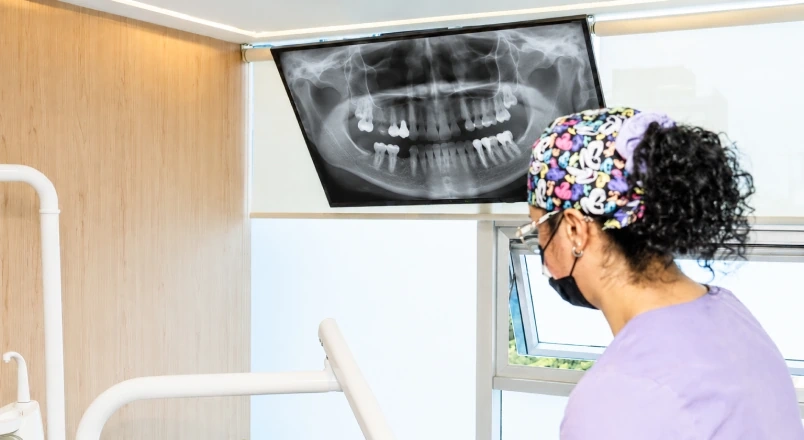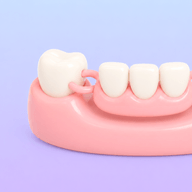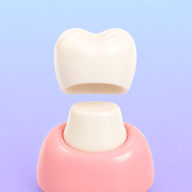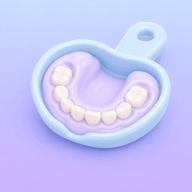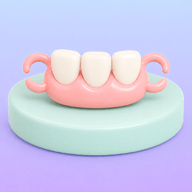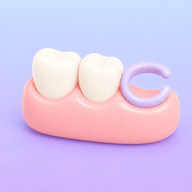




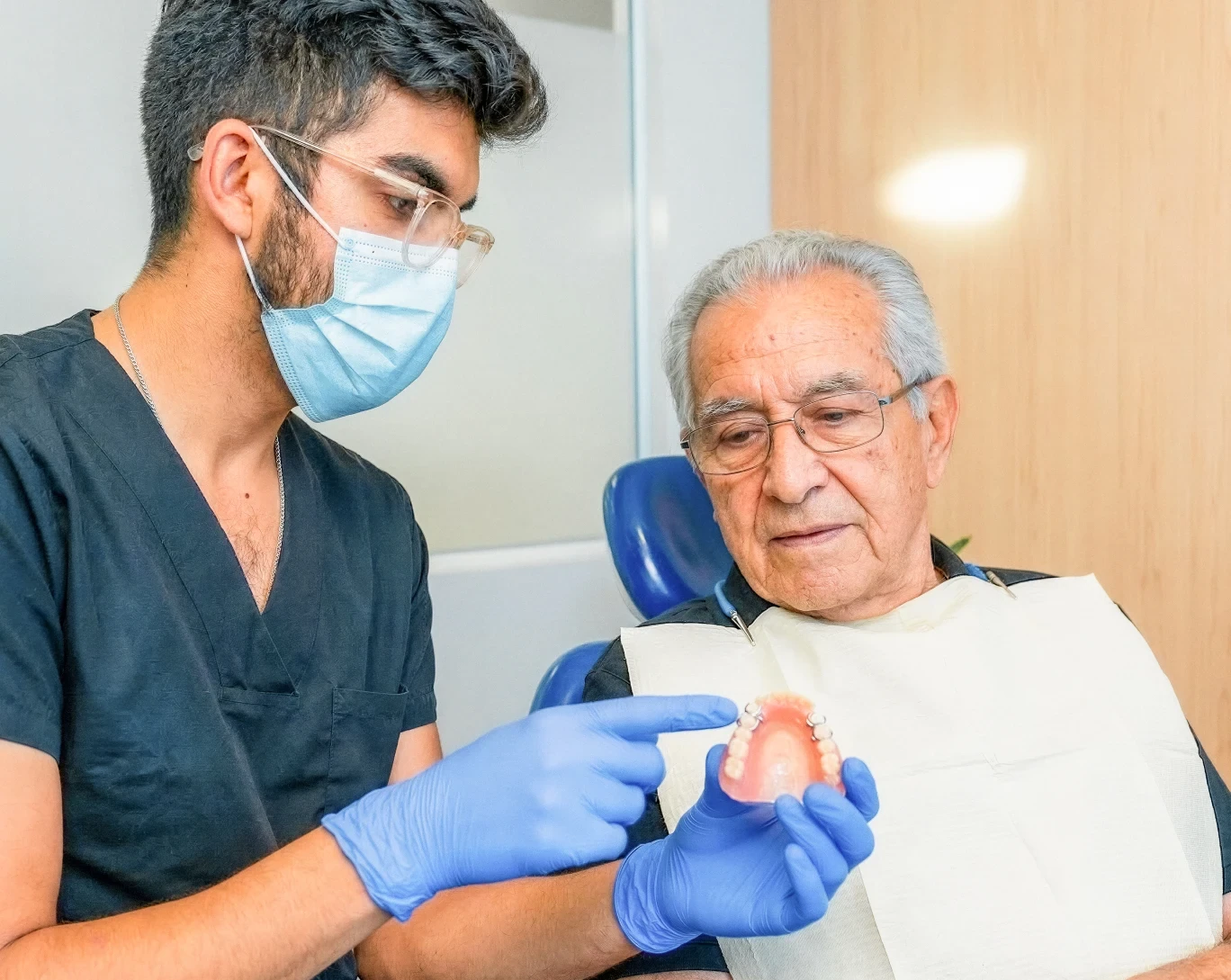
Includes: Exam, impressions, bite records, lab fabrication, delivery, and early adjustments.
COFEPRIS A.P. 2509152002A00242
Partial dentures in Mexico City with clear material and pricing guidance
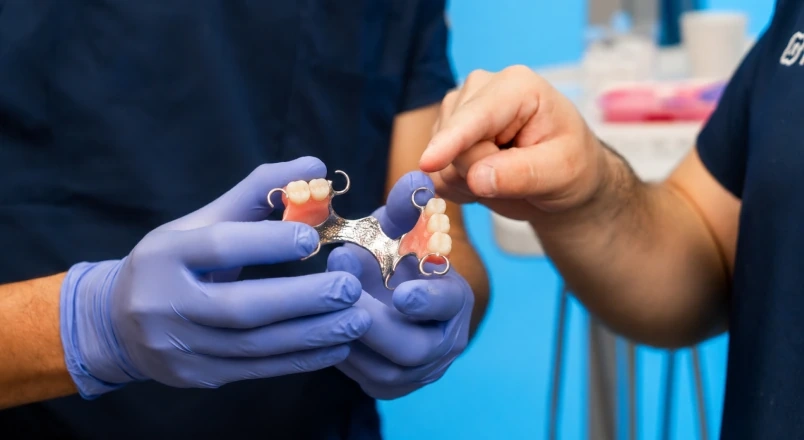
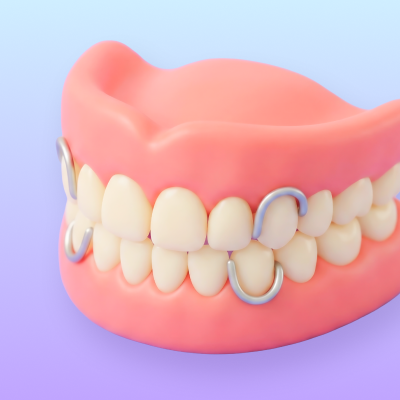
If you are missing several teeth and want a removable, non-surgical option, we help you make the main decisions clearly before lab work starts. You can compare acrylic, flexible, and metal designs, confirm whether a partial denture genuinely makes sense for your bite, and review the MXN plan with a USD estimate if helpful before treatment begins.
Includes: Exam, impressions, bite records, lab fabrication, delivery, and early adjustments.
COFEPRIS A.P. 2509152002A00242
These are the practical questions that usually decide whether a partial denture is worth pursuing: whether a removable option fits your case, how the materials differ, what the fee looks like per arch, how long the process usually takes, and how follow-up works if you are traveling.
Usually yes if you want to replace several missing teeth with a removable, non-surgical option. If you are really looking for a fixed solution, a single-tooth replacement, or we still need to confirm whether the supporting teeth are healthy enough, we start with an evaluation and then tell you whether a partial, implant, bridge, or diagnostic exam makes more sense.
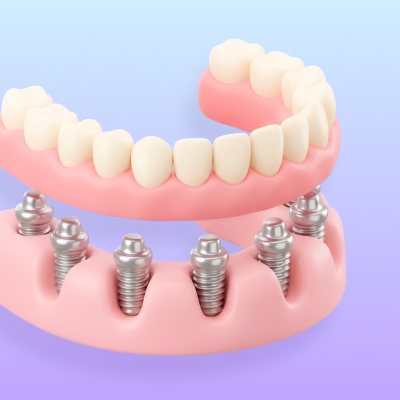
No. A partial denture is used when some teeth are missing but you still have natural teeth that can help support the design. A complete denture is used when all teeth in an upper or lower arch are missing or being removed. If your case is closer to a full denture, immediate denture, implant overdenture, or All-on-4 plan, we explain that during the exam.
Acrylic (7,699 MXN) is usually the most accessible entry point and often the easiest to modify later. Flexible (9,199 MXN) is often chosen when clasp appearance matters more. Metal (11,699 MXN) is usually the most rigid and thinnest long-term option. The right choice depends on your support teeth, smile line, and whether this is a transitional or longer-term denture.
Current pricing is 7,699 MXN for acrylic, 9,199 MXN for flexible, and 11,699 MXN for metal, per arch. That means upper or lower. If you need both, the denture fee is quoted separately for each one, and any extractions, X-rays, relines, or additional work are quoted apart before treatment starts. For a wider comparison, see dental prices in Mexico City .
Often yes when no extractions or major pre-treatment are needed. In those cases we usually talk about something around 4 to 7 days for the consult, impressions, lab phase, delivery, and early adjustments. If you need extractions, healing time, an immediate partial, or prep on supporting teeth, the timeline changes and we clarify that before you book flights.
We usually include the evaluation, impressions, bite records, material selection, lab fabrication, delivery, and early bite or pressure-spot adjustments. X-rays, extractions, dental cleaning or gum treatment , crowns on support teeth , later relines, and major repairs are only added if they are genuinely needed, and we quote those first.
If you already wear a partial, send photos of it in and out of your mouth, recent X-rays, extraction dates, sore spots, broken clasps, or teeth that feel loose. We can review photos or X-rays ahead of time and follow the case by WhatsApp in English or Spanish. Small sore-spot adjustments can often be handled close to home, but relines, bigger repairs, or design changes sometimes need additional lab work. We can also confirm accepted payment options and how the partial denture fee is separated from any extractions, X-rays, relines, or additional treatment before you travel. We would rather say that clearly up front than promise that every future adjustment is automatic.
All three are still removable partial dentures. What really changes is clasp visibility, framework rigidity, how easily the case can usually be modified later, and whether you are thinking about the denture as a more transitional or longer-term solution.
Acrylic partials are usually chosen when you want the most accessible starting point or when the plan may still change and a design that can often be adjusted or modified later is helpful.
It makes a lot of sense as the practical or entry-level solution, but it is not always the slimmest-feeling long-term design.
What usually changes visibility is not just the material. Clasp position, your smile line, and how far forward the missing teeth are usually matter more.
The denture is not the whole plan. We separate what usually belongs to the base removable case from what can change the quote before the lab phase or come back later as follow-up work.
We are not trying to sell one solution to everyone. The goal is to clarify when a removable partial denture is usually the practical decision and when another conversation should happen first.
Multiple-tooth replacement
Removable partials often enter the picture when several teeth are missing and you want a more conservative way to regain function, smile support, and day-to-day chewing.
Good fit if:
They usually make more sense for several spaces than a replacement built for one tooth
They do not require the same surgical starting point as an implant
They let you test a removable solution before committing to something bigger
Usually a better fit when This usually matters most when the missing-tooth problem already involves several teeth, not just one.
Practical first step
Removable partials usually move faster than a surgical plan and often work as the more reachable option while you decide whether something fixed makes sense later.
Good fit if:
They can help when travel timing matters
They usually cost less up front than several implants
They keep the fixed-solution conversation open for a later stage
Usually a better fit when That does not always mean they are temporary. It means they are often the most practical entry point.
Clinical support
A partial denture is not only about filling spaces. It also depends on gum health, how stable the support teeth are, and whether the bite can accept a removable appliance predictably.
Good fit if:
We need to review support teeth, gum health, and bite stability, not just count missing teeth
Some mouths need gum treatment, crowns, or other prep before the final partial
The best material also changes depending on those support teeth
Usually a better fit when This is where the diagnostic exam still matters a lot.
Not always first
If a tooth is fractured, infected, has a poor prognosis, or needs a crown before it can support the denture well, we would rather say that before the case goes to the lab.
Good fit if:
That may mean an extraction, root canal, crown, or gum stabilization first
It changes both the timeline and which material truly makes sense
It is better to adjust the plan early than promise a partial that will not be well supported
Usually a better fit when A strong gag reflex, heavy grinding, loose support teeth, active decay, uncontrolled gum disease, or an unstable bite can change the design or make another route safer, such as a bridge, implant, complete denture, or staged treatment plan.
If it does not fit If a partial does not look like the best final answer, we explain why. Sometimes the right next step is a diagnostic exam, and other times it is an implant, crown, or gum-stabilization conversation first.
Compare the three available variants here: acrylic, flexible, and metal, per arch. If extractions, X-rays, relines, or any other pre-treatment are needed, that is quoted separately before work begins.
Last updated: May 23, 2026
Calculate your treatment price in Mexico City
Build a planning estimate in seconds. Select treatments, adjust quantities, and compare your plan with U.S. estimates.
Select treatments to see your estimate
Looking for other treatment costs? See our dental prices in Mexico City.
This is the most common flow when the case still looks like a reasonable partial denture candidate. If extractions, healing time, or work on the supporting teeth are needed first, we say that before the timeline is locked in.
Before anything goes to the lab, we need to understand which teeth are missing, which teeth will support the design, whether extractions already happened, and whether you are thinking about this as a more transitional or more durable solution.
We confirm gum health, bite, support teeth, and likely clasp visibility. Then we take impressions and bite records to decide whether acrylic, flexible, or metal is the smarter route and quote everything clearly.
Depending on the design, the case moves through the lab and sometimes through a try-in visit before final delivery. In more direct cases without extra phases, this often fits into the same week.
Delivery is not the end of the process. We explain how to eat at first, how to clean the denture, which early adjustments are normal, and when a reline, repair, or follow-up visit actually deserves another appointment.
These options get compared constantly, but they are not interchangeable. The right answer depends on how many teeth are missing, whether reliable support teeth still remain, whether you want something fixed or removable, what shape the neighboring teeth are in, and whether the case truly supports surgery or crown prep.
Usually the better fit when
A removable partial does not depend on the lab alone. It also depends on who is reviewing the support teeth, gums, bite, comfort, and whether the smartest solution still looks removable or should shift into another path.
Registered nurse and patient experience lead helping with messages, scheduling, and follow-up.
Plans the prosthetic side when the case needs a comparison between a removable partial, fixed prosthesis, implants, bite, and esthetic expectations.
Focused on general and restorative visits where the support teeth, gum health, and denture comfort need to be reviewed carefully before the plan is finalized.
General dentist focused on diagnosis, impressions, bite adjustments, and restorative visits where the patient needs a very clear explanation of which removable option actually fits.
Supports cases where the periodontal health of the support teeth changes whether a partial can sit predictably or whether the gums need to be stabilized first.
Helps when one of the teeth that may need to support the denture has pain, infection, or an uncertain endodontic prognosis before the case goes to the lab.
This FAQ groups the questions that usually come up after the material and overall plan start to make sense: timing, adaptation, eating, cleaning, sleeping with the denture, repairs, and future changes.
Many cases without extractions or other major pre-treatment can move in something like 4 to 7 days. That window usually covers the consult, impressions, lab phase, delivery, and early adjustments. If extractions, an immediate partial, healing time, or work on the support teeth still needs to happen, the timeline changes and we clarify that before you commit to travel.
It is normal for a new partial to feel awkward, a bit bulky, or to make you produce more saliva at first. Adaptation usually takes days to a few weeks, not hours. Starting with softer foods in smaller pieces, chewing on both sides, and coming back for sore spots is part of the normal learning curve. Reading out loud can also help while your tongue is getting used to the denture.
For the first few days, softer foods in smaller pieces are usually the easiest place to start. Chewing on both sides at the same time tends to feel more stable than loading only one side. Very sticky or very hard foods are usually the least friendly while you are still adjusting.
Sometimes. A flipper tooth or temporary partial denture may be an interim acrylic option after we examine the bite, gums, support teeth, and recent extraction timing. We do not promise it as same-day delivery or as a permanent replacement; first we confirm whether the case allows it and whether a final partial, bridge, or implant would make more sense.
In many cases we recommend taking it out at night so the tissues can rest and the denture can be cleaned properly, unless your case has a specific reason to do otherwise. That advice can change in an immediate-denture phase after extractions or in another special situation. We tell you the night routine based on your real case, not a generic rule.
Take it out to clean it, rinse it after meals, and brush it with a soft brush plus denture cleanser or mild soap instead of abrasive toothpaste. You still need to clean your remaining teeth, gums, and tongue even if you wear a denture. If we tell you to keep it moist when it is out of the mouth, follow that guidance so the material does not dry out or distort.
We do not recommend bending clasps yourself or using household glue. Smaller sore-spot adjustments can often be handled close to home, while a reline or bigger repair may need additional lab work. We stay available on WhatsApp to review photos and help you decide whether a local adjustment is reasonable or whether the case needs a more complete fix.
It depends on the design. Acrylic partials and some metal designs usually leave more room for future modification. Flexible designs can be more limited in that respect. That is why it helps to say up front if you think another tooth may be lost later or if this denture is part of a staged plan.
Yes. If you are traveling in or just want to understand whether a partial looks viable first, you can message us on WhatsApp and share photos, X-rays, or the background of the case before you book.
If your plan needs the consult, impressions, delivery, and one or two nearby adjustments in the same week, the clinic works well as a repeat-visit base from Condesa, Roma Norte, Narvarte, or AICM.
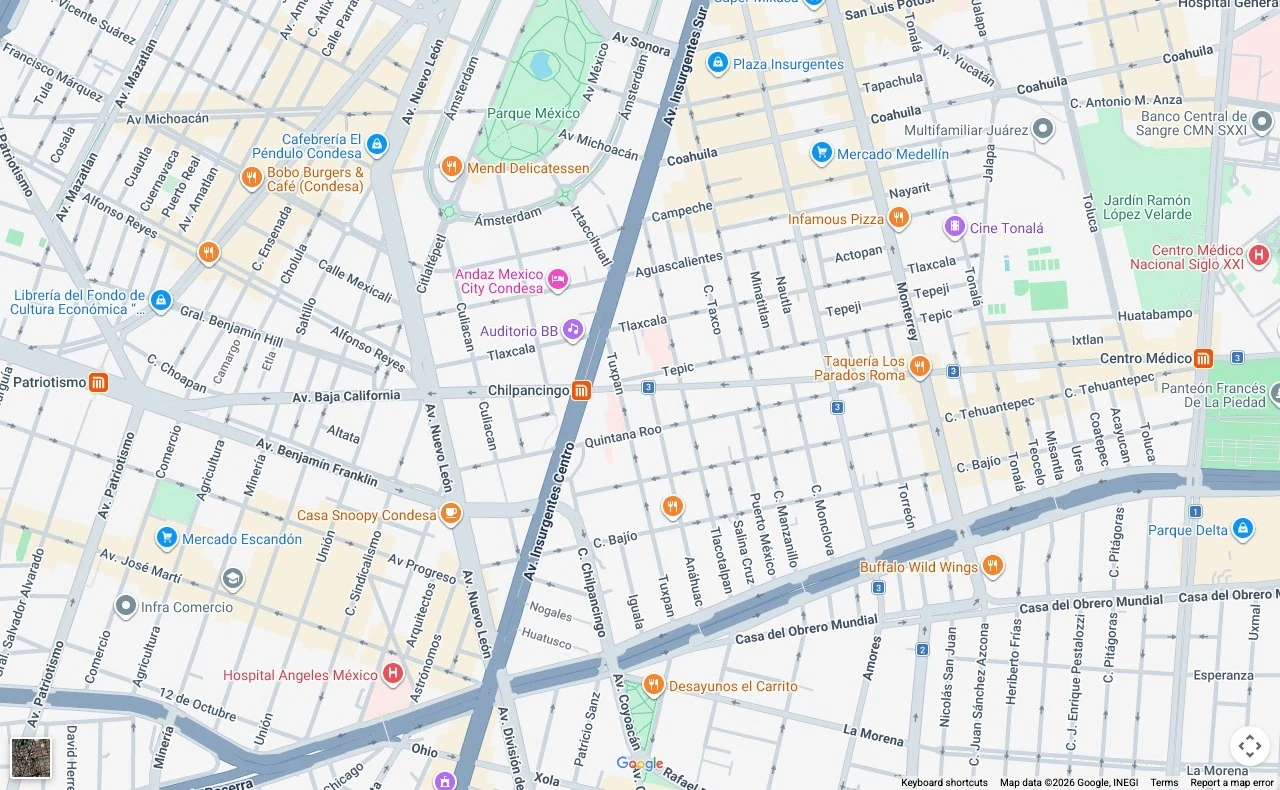
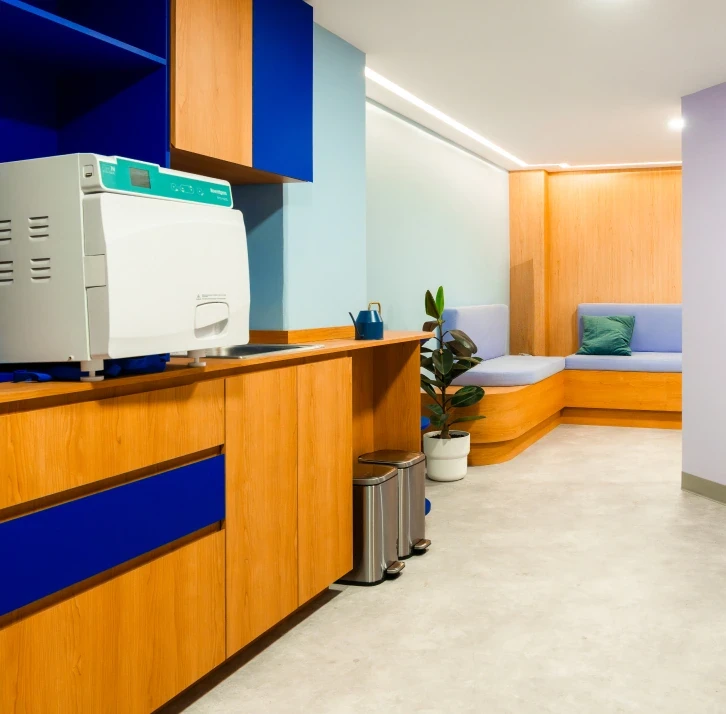
Tepic 139-706, Roma Sur, Cuauhtémoc, 06760 Ciudad de México, CDMX
5–10 minutes by car via Av. Insurgentes Sur; Metro Chilpancingo is one stop away.
Open in Google Maps6–12 minutes by car, or a 15–18 min walk down Medellín toward Roma Sur.
Open in Google Maps10–20 minutes by car via Av. Cuauhtémoc; Metro Etiopía → Chilpancingo in ~12–15 min.
Open in Google Maps~15–45 minutes by car (traffic-dependent). Easy Uber from Terminals 1 & 2.
Open in Google MapsThese are the most useful comparisons or next-step pages when the diagnosis still needs confirming, when you would rather compare fixed replacements, or when the tooth-loss story has already become broader.