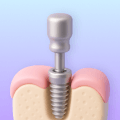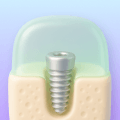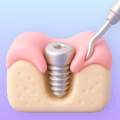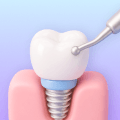





Scope: Staged estimate with guide, placement, uncovering, and a standard crown pathway. Grafting, extraction, or restorative changes are confirmed after imaging.
COFEPRIS A.P. 2509152002A00242
If you are comparing a single-tooth implant in Mexico City, we help you get a realistic answer about candidacy, healing, staged pricing, and whether an implant actually makes more sense than a bridge. At hisonrisa, we explain the scan, the surgery, the healing phase, and the final crown in plain language before you commit.
Scope: Staged estimate with guide, placement, uncovering, and a standard crown pathway. Grafting, extraction, or restorative changes are confirmed after imaging.
COFEPRIS A.P. 2509152002A00242
These are the questions people usually ask before they compare an implant with a bridge, send records, or try to understand the staged price honestly.
The standard staged estimate starts from 35,199 MXN for lower molars or premolars, 36,899 MXN for an upper molar, and 37,699 MXN for a front-tooth or canine site. It includes the guide, placement, uncovering, and a standard crown pathway completed after healing; extraction, grafting, sinus-lift needs, or restorative changes can still change the plan.
Sometimes, but it should not be promised to everyone. Immediate placement depends on infection, available bone, soft tissue, and whether the implant can be stable enough on surgery day.
No. Some sites already have enough bone. Others need socket preservation, regeneration, or a sinus lift before or with surgery.
Travel patients often do the surgical visit first and the restorative visit later after healing. Mexico City residents can space those same phases locally instead of building everything around flights.
Yes within the standard estimate shown, but it is not placed on surgery day. The crown is completed after implant integration, usually after several months of healing, and confirmed through restorative planning.
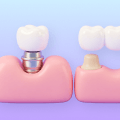
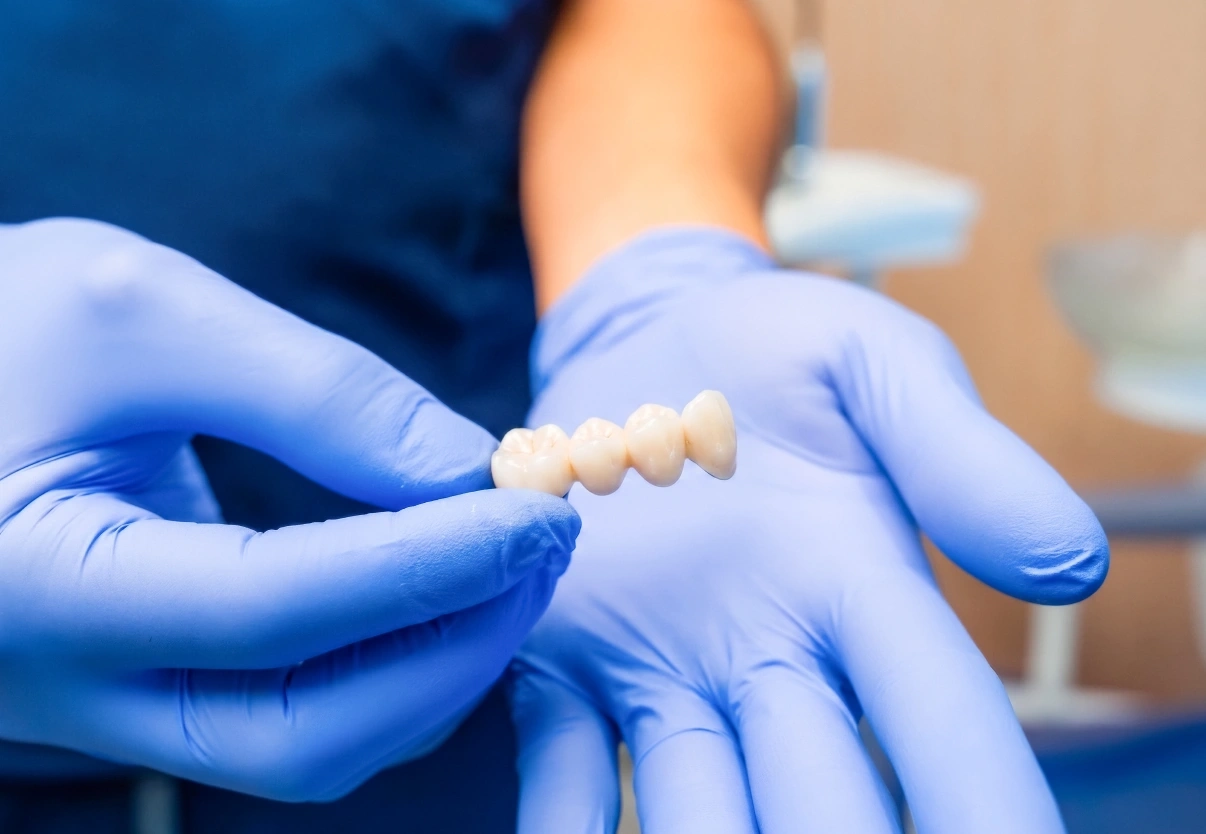
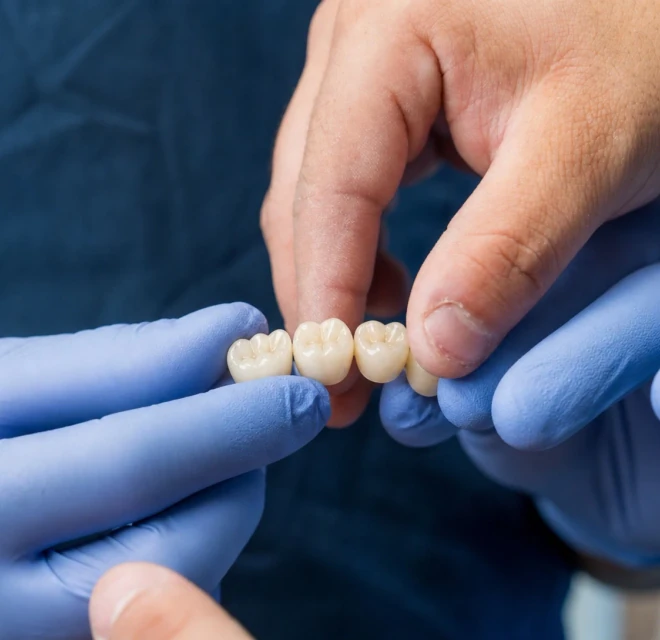
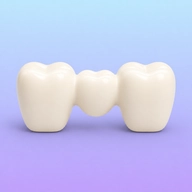
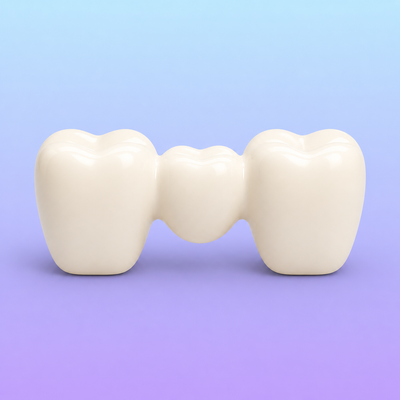
An implant is often strongest when the neighboring teeth are still healthy. A bridge can make more sense if those teeth already need crowns or if a shorter timeline matters more than implant surgery.
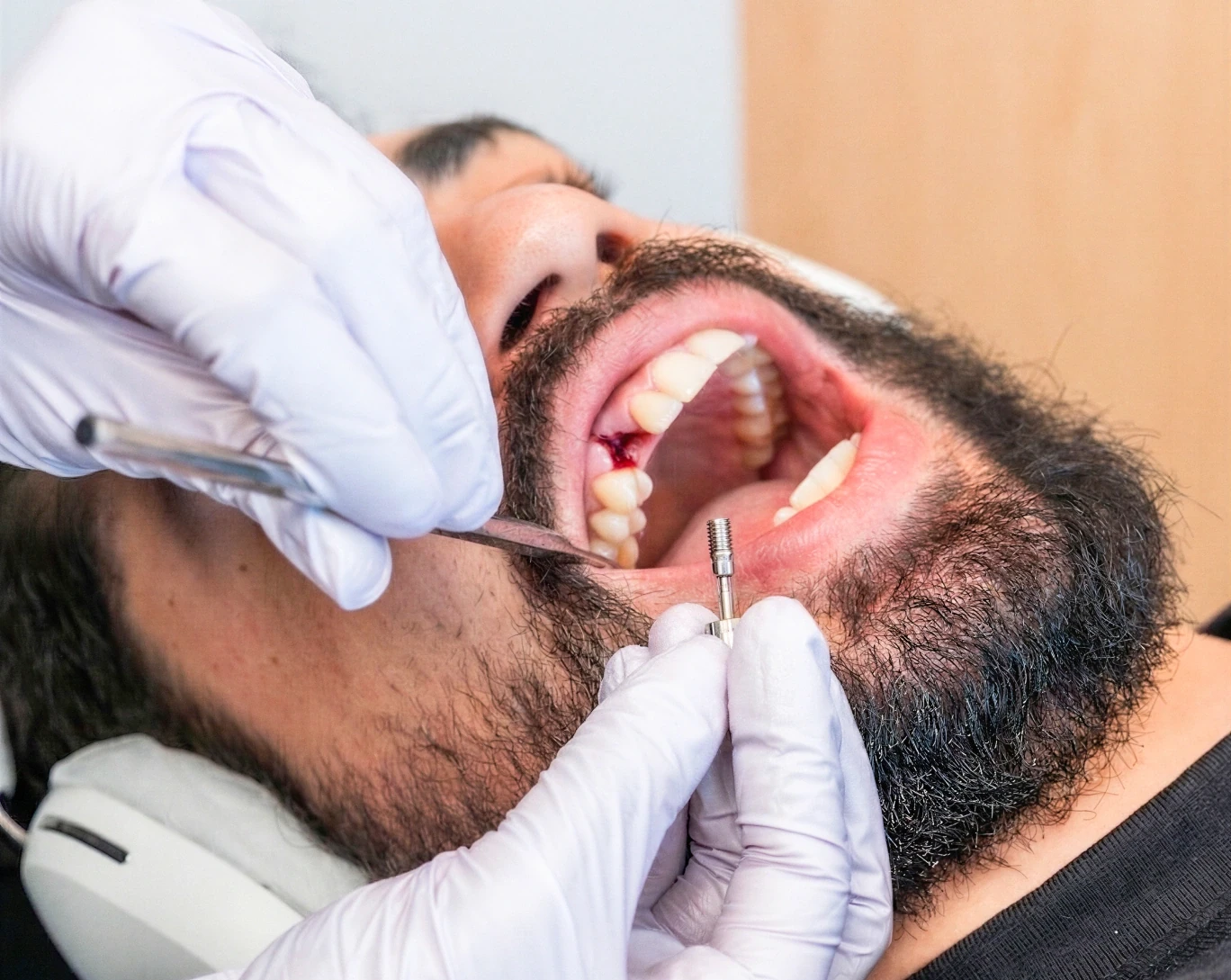
A dental implant is not one universal package. The work changes if the missing tooth sits in the smile zone, in the upper back jaw near the sinus, or in the lower posterior jaw. We separate planning, surgery, healing, and the final crown so the treatment is not flattened into one generic promise.
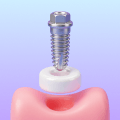
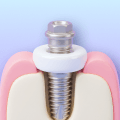
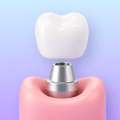
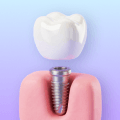
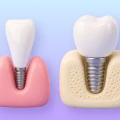
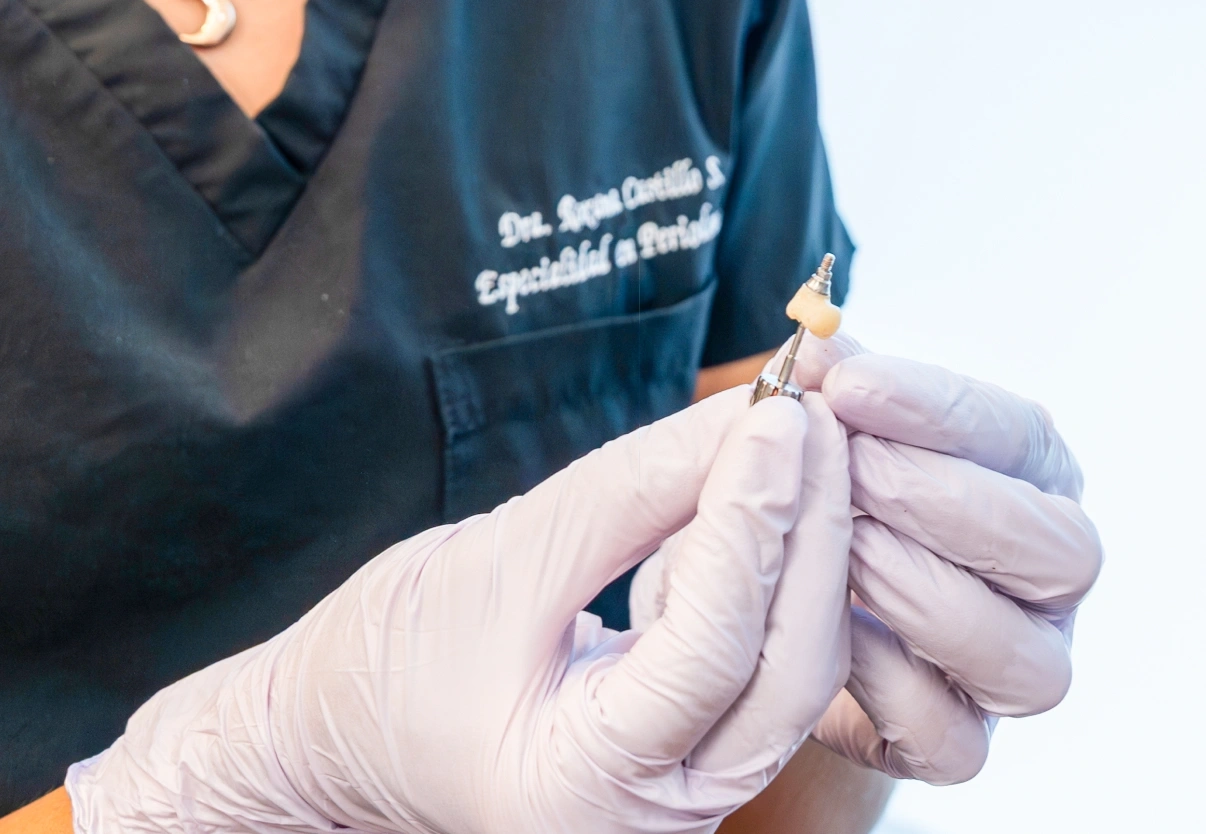
The implant replaces the missing root first. The final crown usually comes later, once the implant has integrated and the site can be restored with better control.
The esthetic zone usually needs more control over angulation, soft tissue, and temporaries. Posterior teeth lean more heavily on bite load, space, and the anatomy of the available bone.
A large part of the timeline depends on letting the implant heal before the final restoration. That waiting period protects the stability of the outcome.
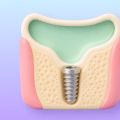
Some cases move straight to placement. Others need socket preservation, regeneration, or a sinus lift before the final path is confirmed.
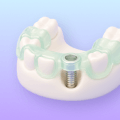
When the anatomy is narrow, visible, or more demanding, a surgical guide can help translate the planning more precisely into surgery.
Around visible teeth, the gum tissue and its thickness can affect both the appearance and the long-term protection of the implant. Not every case needs that step, but it should be discussed early.
The real question is not only whether a tooth is missing. The site, the bite, the gum health, and the neighboring teeth all matter when deciding whether an implant is genuinely the smartest next step.
An implant is not automatically the right answer. These are the three replacement paths patients most often compare when one tooth is missing and they want an honest decision.
Best for
Best for
Best for
A good implant plan does not treat every tooth as the same case. The esthetic zone, the maxillary sinus, and posterior bone can change both the clinical conversation and the pricing starting point.
When the implant shows in the smile, the decision is not only about placing it. The gum line, whether a guide helps, and how the final restoration is sequenced all matter much more in visible teeth.
If the tooth is still present, the real decision may involve immediate extraction, site preservation, or whether restoring later is safer.
Use this calculator to see staged single-implant variants and common add-ons. The starting estimates include the standard crown pathway, while extraction, grafting, sinus-lift needs, or other changes stay separate so you can compare quotes without assuming every case has one all-in price.
Last updated: May 23, 2026
Calculate your treatment price in Mexico City
Build a planning estimate in seconds. Select treatments, adjust quantities, and compare your plan with U.S. estimates.
Select treatments to see your estimate
Looking for other treatment costs? See our dental prices in Mexico City.
Implant treatment should not be reduced to one number before the site has been properly evaluated. From the beginning, we explain what can usually be defined early and what still depends on imaging, surgery, and healing.
These details can change significantly from patient to patient, so they are confirmed only after the implant site has been reviewed properly.
If the tooth is still in place, the first decision is whether it can be removed and replaced with an implant immediately, or whether the site needs time to heal first.
These are added only when the bone or anatomy requires them. They are among the biggest factors that can change both timing and total cost.
The standard estimate includes a guide pathway. During the exam, we confirm whether it stays, changes, or the site allows a simpler route.
Some implants heal under the gum and need a second-stage visit before the crown phase. This depends on the surgical protocol and how the site was left to heal.
The standard crown pathway is included in the estimate shown, but the crown phase happens when the implant is ready to restore, after healing and restorative planning.
These are the details we try to clarify early, so your treatment plan does not feel like a vague quote.
Front teeth, upper molars, and lower posterior teeth are not planned the same way, even though all of them are called implants.
We separate the stages so the standard estimate, later crown timing, and genuinely indicated add-ons are clear from the beginning.
Whether you live in Mexico City or are traveling in, we explain how the sequence changes instead of pretending every patient follows the exact same calendar.
The time between visits matters. We clarify how to reach us, which signs to watch, and when photos or follow-up imaging may be needed.
This is the staged sequence most patients are actually trying to understand when they search for dental implants in Mexico City. The exact timing changes by tooth, bone, and whether extraction or grafting is part of the case.
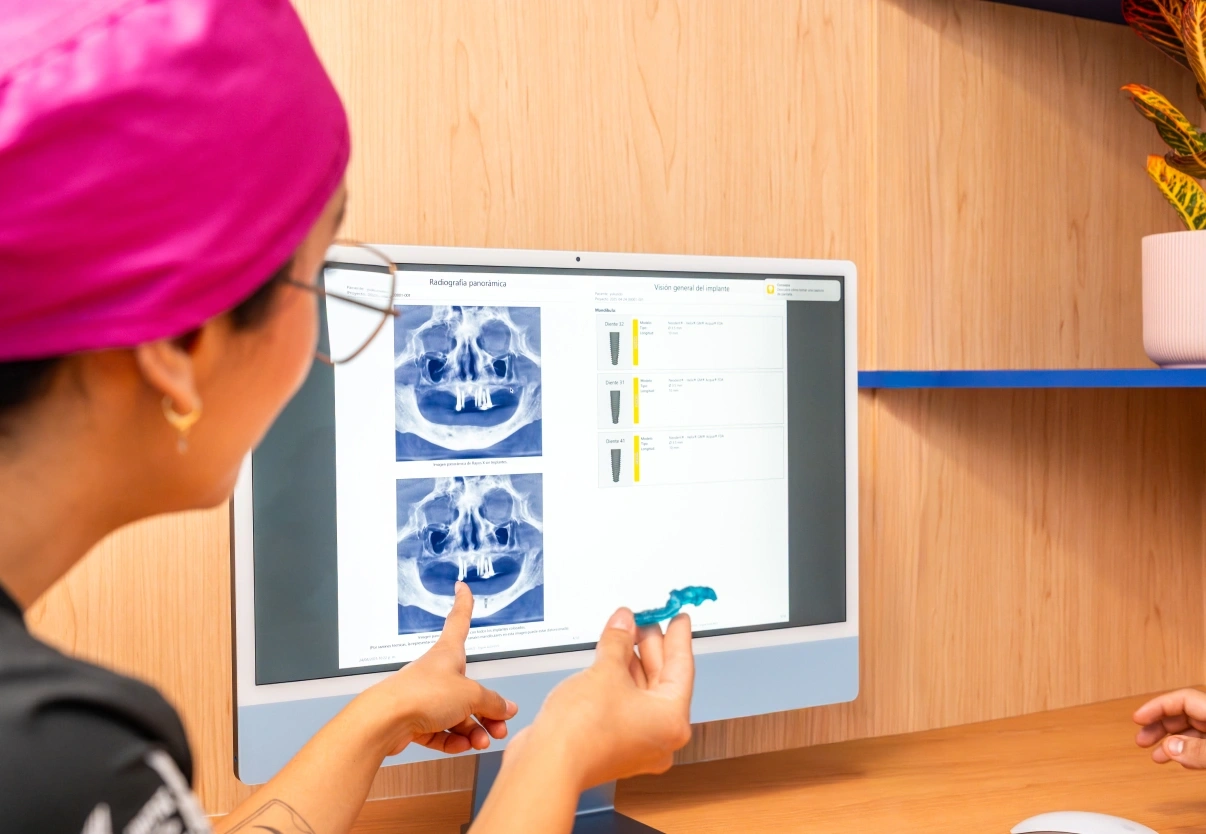
Before surgery is even discussed, we review the missing or failing tooth, the neighboring teeth, the gums, the occlusion, and any imaging you already have. If newer imaging is needed, we explain why first.
Some cases are straightforward placement. Others add extraction, socket preservation, a surgical guide, or regeneration because the site genuinely calls for it.
Osseointegration is not a minor detail. Many travel, timing, and final-restoration decisions depend on respecting this phase instead of rushing it.
Not every case follows the exact same protocol. Some require uncovering the implant or additional tissue management before the restorative phase begins.
Once the implant is ready, we confirm the rehabilitation, check the bite, and explain the maintenance plan that protects the result longer term.
Not every implant patient is traveling for dental care. If you are trying to understand whether a single implant fits one stay, two trips, or a local staged plan, the sequence matters before you book.
| Practical question | Honest answer |
|---|---|
| Can everything be done in one trip? | The diagnostic and surgical phase often can. The final crown usually waits until healing is confirmed. That is why one stay rarely means the entire treatment is finished. |
| How long should I stay for the surgical phase? | That depends on whether the case is straightforward placement or also includes extraction, grafting, or sinus work. We prefer to confirm a safe stay after planning the case instead of promising the same number of days to everyone. |
| What happens between visits? | Most of the biological work happens away from the clinic. You heal at home, follow the instructions, and if needed we ask for photos or follow-up imaging before the next phase. |
| What if I live in Mexico City? | Then the same biology is handled locally instead of compressed around flights. The main benefit is logistics, not a different biological process. |
| How should I think about the total cost? | Think about it by phase: the surgical stage first, then any additional steps that are actually indicated, and then the final rehabilitation. That sequence helps you compare quotes without assuming every case has one all-in price. |
| What if something feels off after I go home? | You contact us early. Depending on the stage and the symptoms, we may ask for photos, X-rays, or a local exam. The goal is to respond early instead of waiting for the problem to become bigger. |
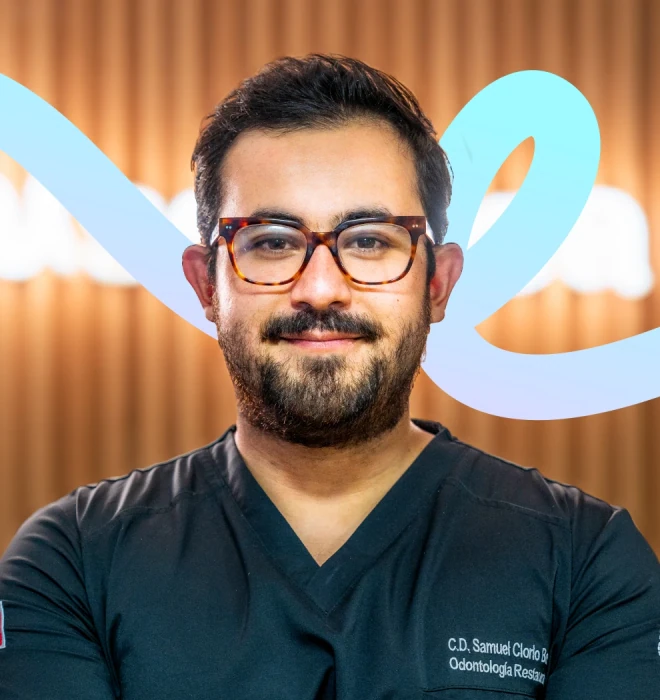
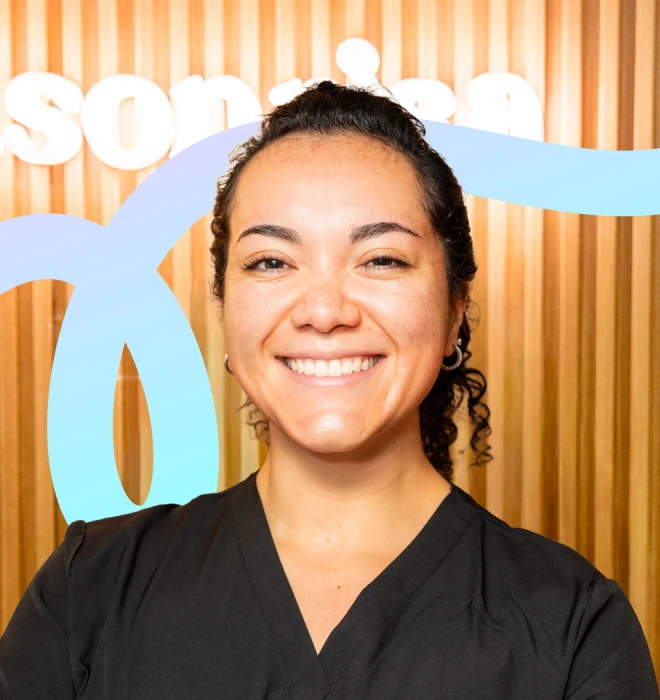
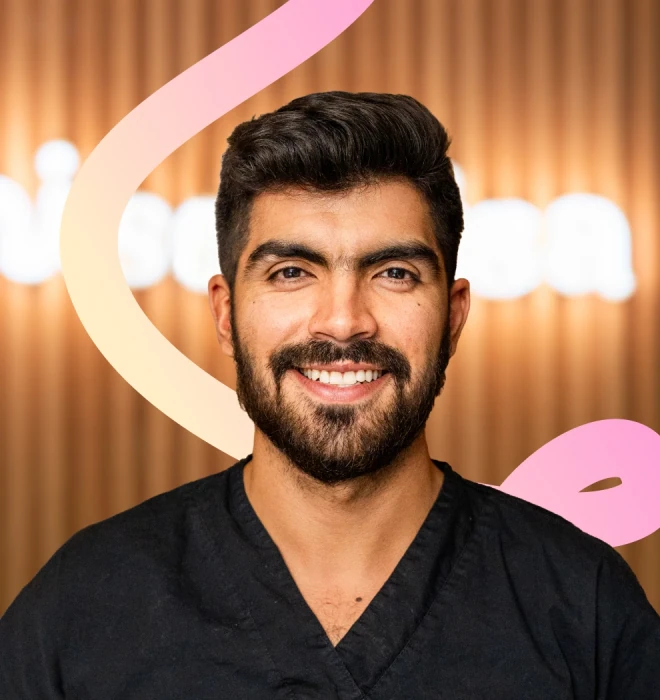
A good implant plan should not lean only on a surgery promise. These are the clinicians who help decide whether the tooth should really be replaced, how to protect bone and soft tissue, and how to close the restorative phase properly.
Registered nurse and patient experience lead helping with messages, scheduling, and follow-up.
Plans the case from the prosthetic and restorative side, including whether the final result should be an implant crown, fixed prosthesis, or broader rehabilitation plan.
Plans and places implants with attention to gum health, tissue volume, bone support, and periodontal control for better long-term stability.
Supports the restorative and esthetic side when a visible site needs a conversation about temporaries, gum contour, and the final crown, not only surgery.
Helps organize diagnosis, options, and timing so patients understand whether the next step is an implant, a bridge, or stabilizing something else first.
Important when the real question is still whether the tooth should be saved, whether pain or infection needs attention first, or whether extraction and replacement is the better path.
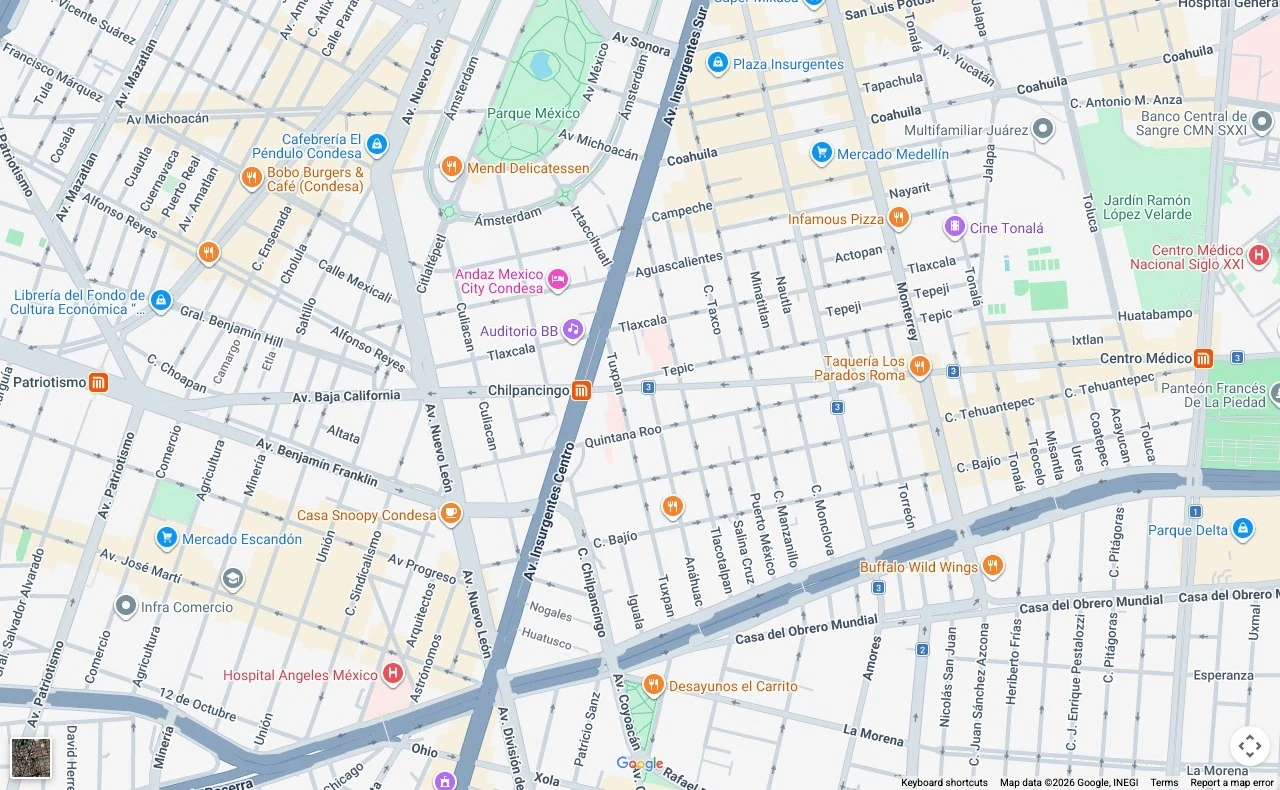
Location matters even more when treatment is staged and you want a clinic that is easy to return to, whether you live in Mexico City or are coming from outside.
Tepic 139-706, Roma Sur, Cuauhtémoc, 06760 Ciudad de México, CDMX
5–10 minutes by car via Av. Insurgentes Sur; Metro Chilpancingo is one stop away.
Open in Google Maps6–12 minutes by car, or a 15–18 min walk down Medellín toward Roma Sur.
Open in Google Maps10–20 minutes by car via Av. Cuauhtémoc; Metro Etiopía → Chilpancingo in ~12–15 min.
Open in Google Maps~15–45 minutes by car (traffic-dependent). Easy Uber from Terminals 1 & 2.
Open in Google MapsThese questions cover the issues that usually slow down a single-tooth implant decision: what the standard estimate really covers, when grafting or a sinus lift may enter the plan, why the crown phase usually comes later, and how the logistics change if you live locally or travel to Mexico City for care.
At hisonrisa, the standard staged estimate for a single implant starts from 35,199 MXN. The current reference points are 35,199 MXN for lower molars or premolars, 36,899 MXN for an upper molar, and 37,699 MXN for a front-tooth or canine site.
It includes the guide, placement, uncovering, and a standard crown pathway completed after healing. If the site needs extraction, grafting, sinus lift, gum treatment, or restorative changes, those parts are confirmed after the exam and imaging.
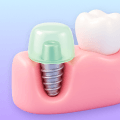
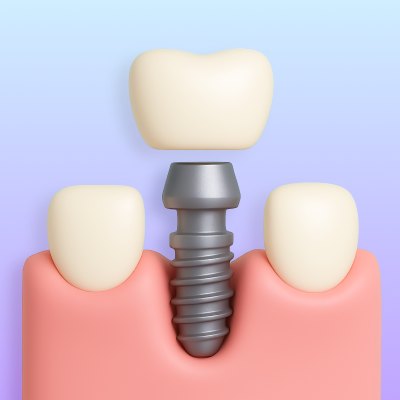
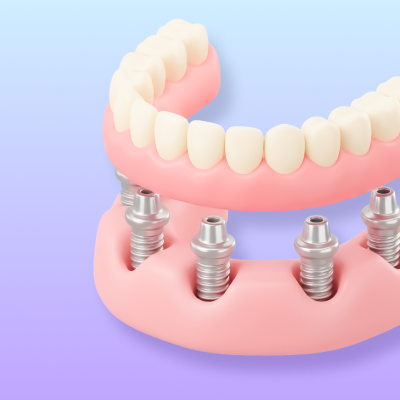
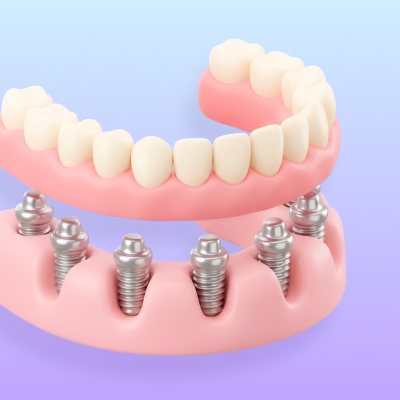
A dental implant plan usually separates the artificial root or implant, the abutment or connector, the final crown, and any site-preparation steps needed for safety, such as extraction, grafting, sinus lift, or a second-stage visit. Not every case needs every step.
The standard estimate shown includes the guide, implant placement, uncovering, and a standard implant crown pathway completed after healing. It does not automatically include CBCT or other diagnostic imaging, extraction, bone grafting or regeneration, sinus lift, gum treatment, treatment on other teeth, or special restorative changes. If a patient is not completing the crown or restorative phase with hisonrisa, we can show the surgical-phase portion separately.
Yes, within the standard estimate shown. It is not placed on surgery day: the crown is completed after implant integration, usually after several months of healing, and confirmed through restorative planning. If you do not plan to complete that phase with hisonrisa, we can separate it from the quote.
Many travel patients do the surgery first and come back later for the restorative phase. If you live in Mexico City, those same stages can be handled locally. What changes is the logistics, not the need to respect healing time.
Sometimes. It is only considered when the site is clean enough, there is enough bone, and the implant can be stable on the day of surgery. In other cases, extraction first and delayed placement is the safer path.
In many cases, the wait before the final crown lands around 3 to 6 months. It can take longer when grafting was needed, when the implant is in the upper back jaw, or when the site simply needs a slower healing phase.
No. Some sites already have enough bone. Others need bone preservation or rebuilding before implant placement. Grafting is only added when it genuinely improves the support or predictability of the case.
No. It only enters the plan when there is not enough bone height below the maxillary sinus in the upper back jaw. Some upper molars can be placed without it.
If the neighboring teeth are still healthy, an implant often helps you avoid preparing them. If those teeth already need crowns, or a shorter timeline matters more to you, a bridge may be the more sensible option.
Message us as soon as you can. Depending on the stage of treatment and your symptoms, we may ask for photos, X-rays, or a local exam to decide whether remote follow-up is enough or whether you need something else.
The fastest follow-up channel is usually WhatsApp .
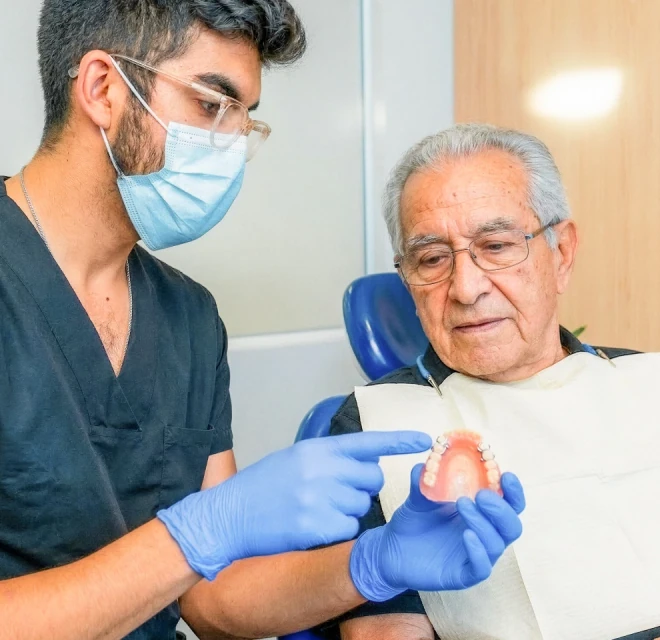
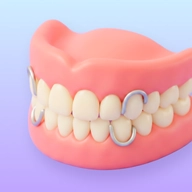
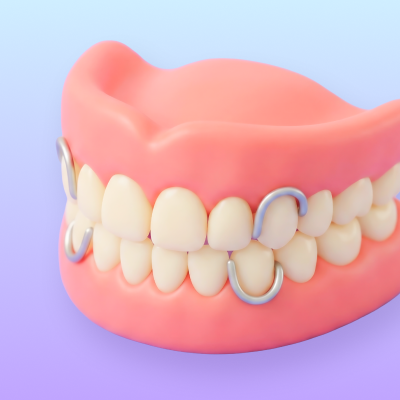
Not being a good implant candidate does not mean you are out of options. Depending on the case, the better next step may be gum treatment first, a bridge, a removable partial, or a broader treatment plan if more than one tooth is involved.
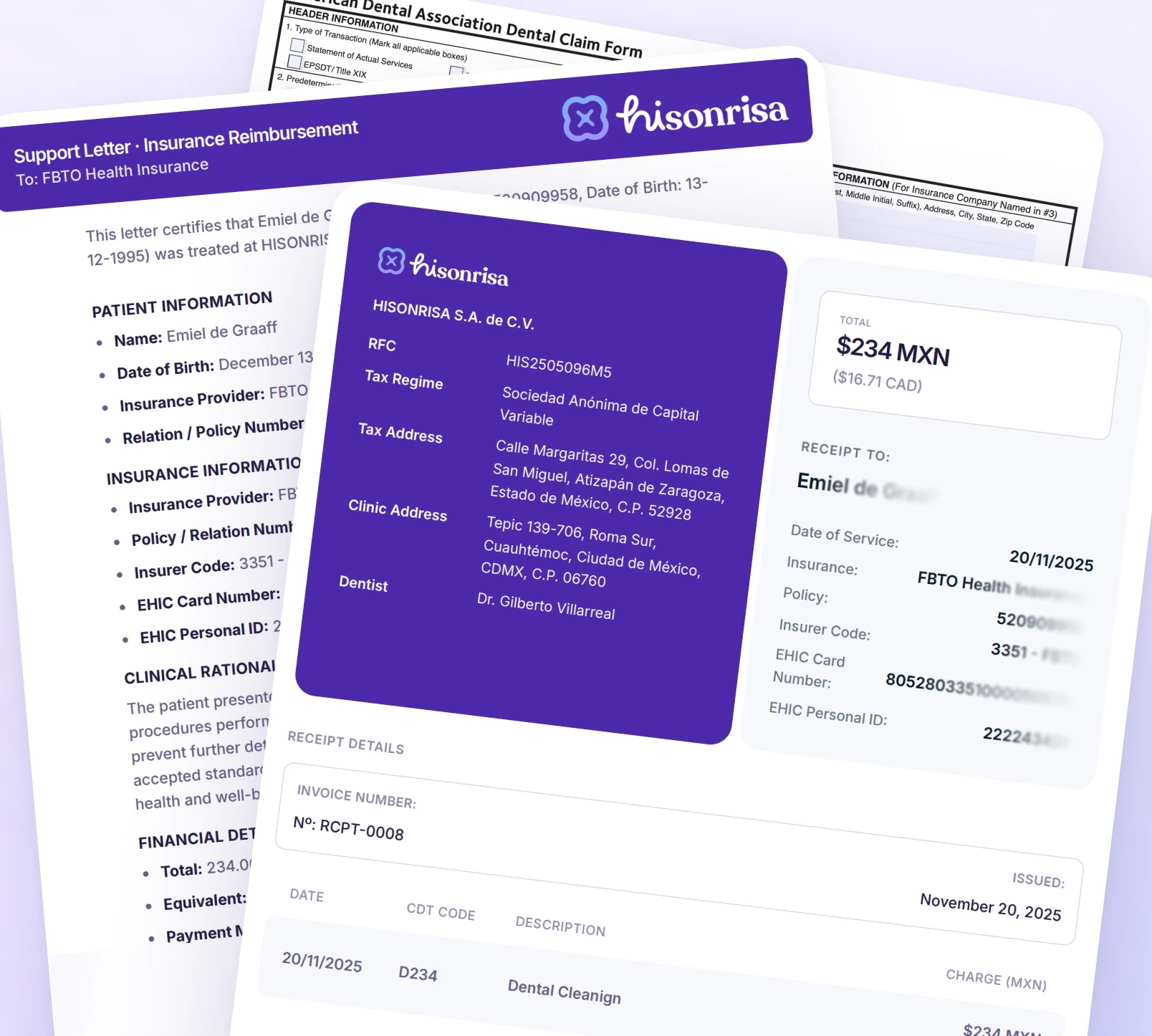
Yes. We provide care in English and Spanish, and we can prepare detailed English invoices for records, insurance follow-up, or reimbursement.
If you want to reserve, you can book an appointment .
A single-tooth implant is easier to trust when the paperwork respects the staged nature of treatment too. We share the quote, payment timing, and documentation many patients need for reimbursement or records.
Quote: The written quote shows surgery, the staged crown pathway, and genuinely indicated add-ons as clear line items instead of hiding everything inside one implant number.
Currencies: We can share MXN quotes with USD estimates so the scope and order of treatment are easy to review before you commit.
Invoices: Detailed English invoices are available for records, insurance follow-up, or reimbursement conversations back home.
Payment timing: When treatment is staged, payments usually follow those phases instead of asking for a fully fixed total before the real scope is clear.
If this case is still really about saving the tooth, replacing it without surgery, or stepping back to a broader rehabilitation conversation, these are the next pages patients usually compare.