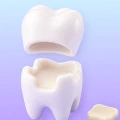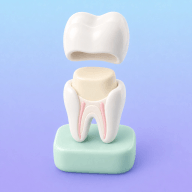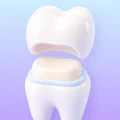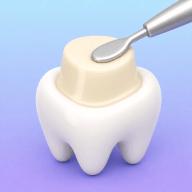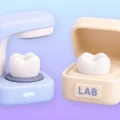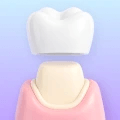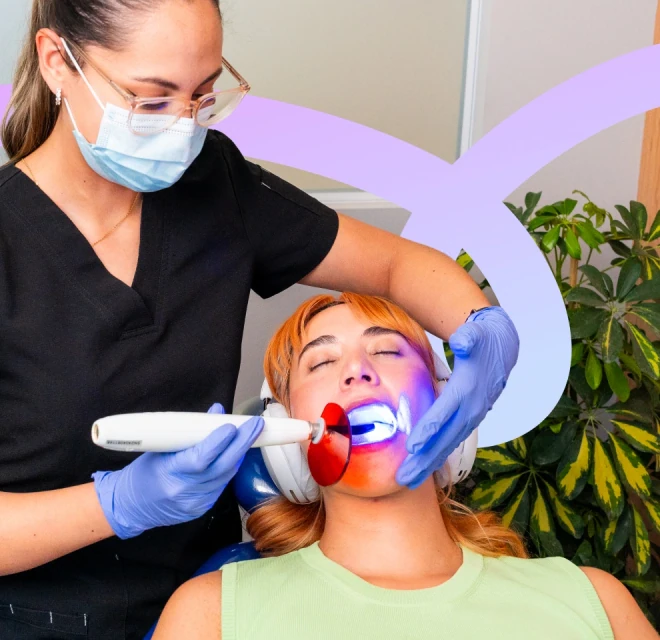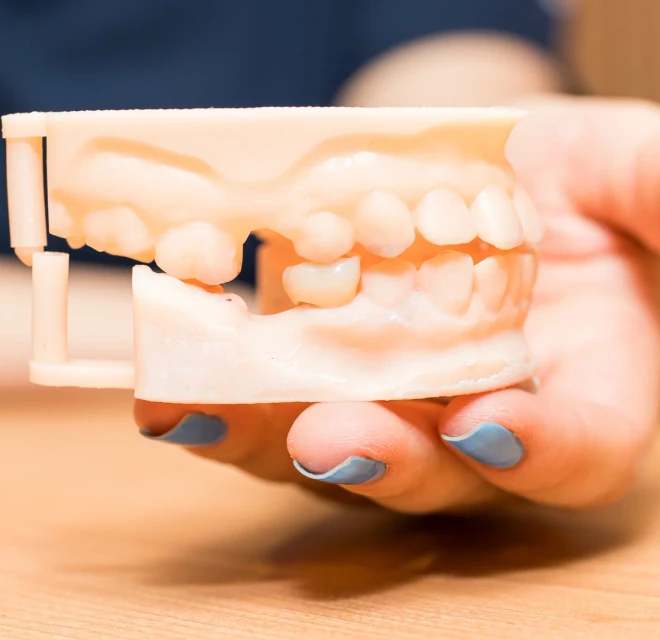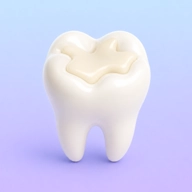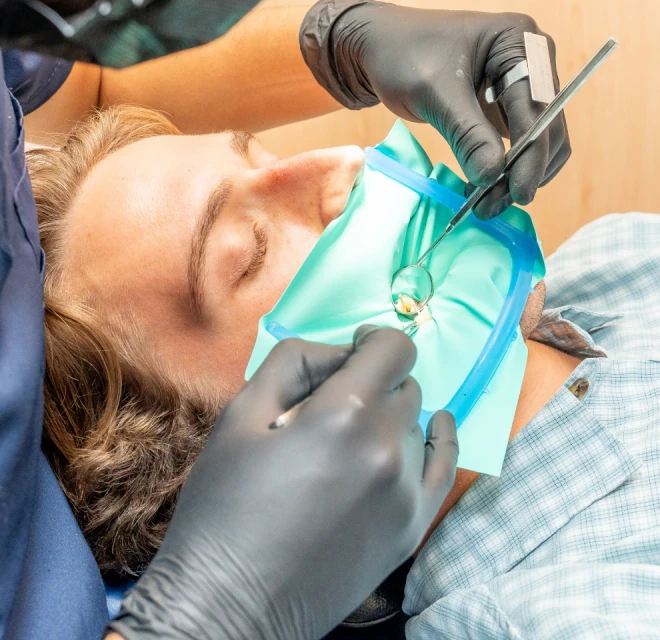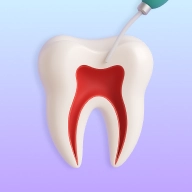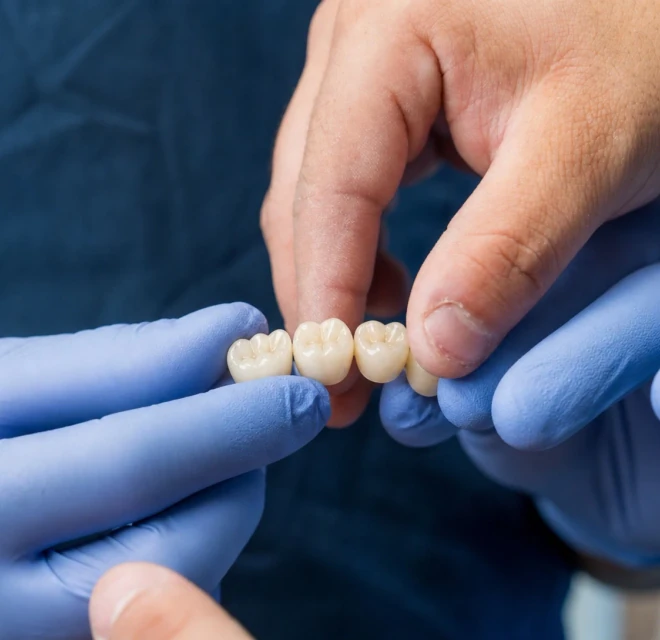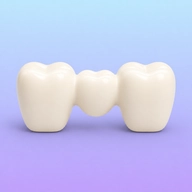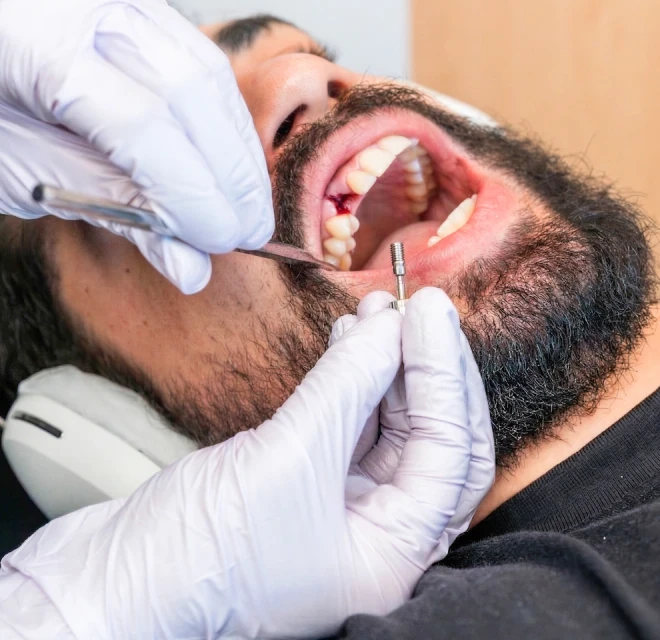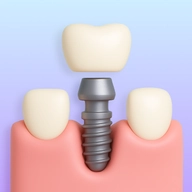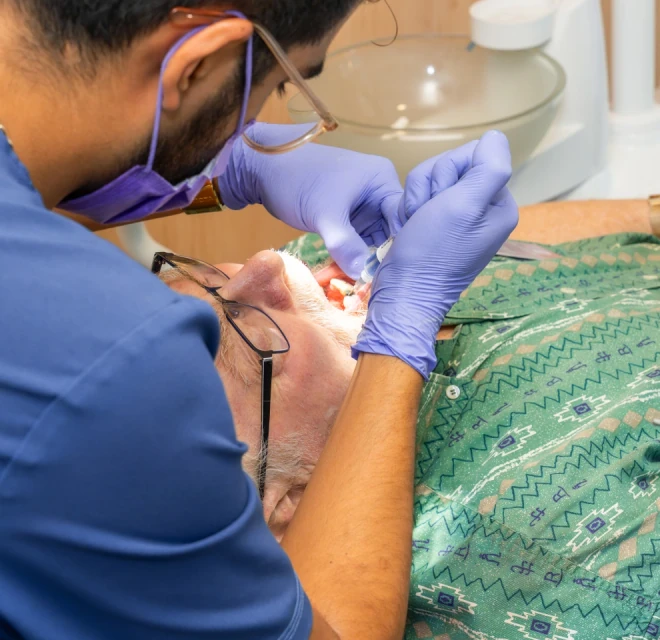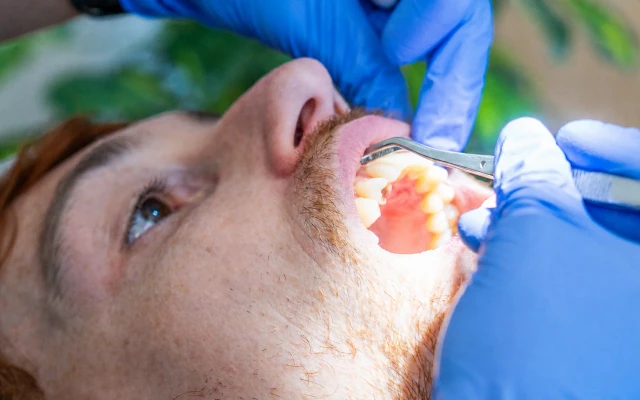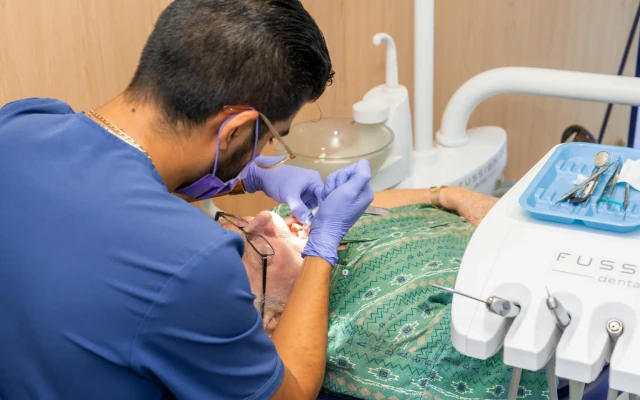
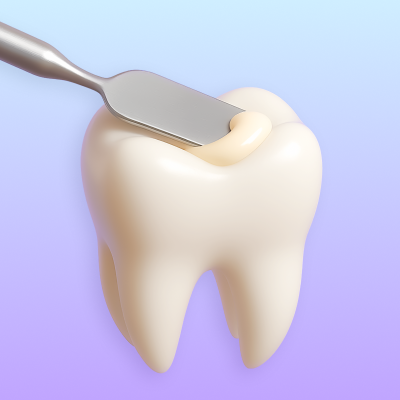
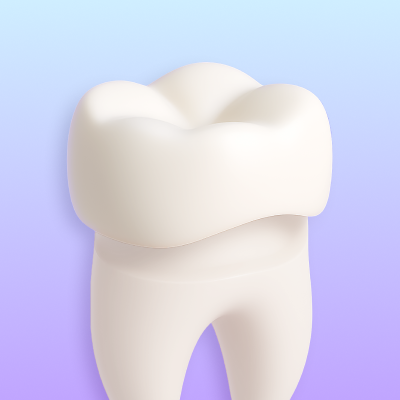
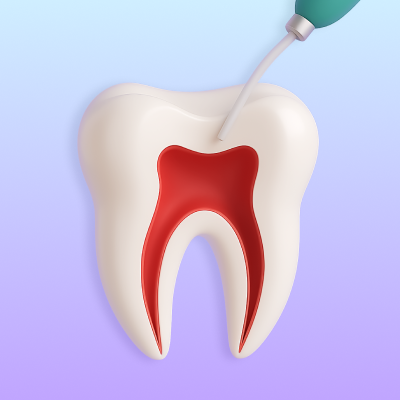

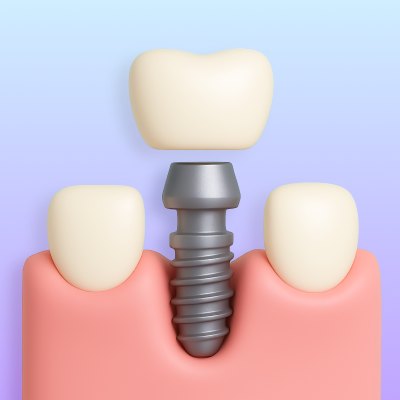
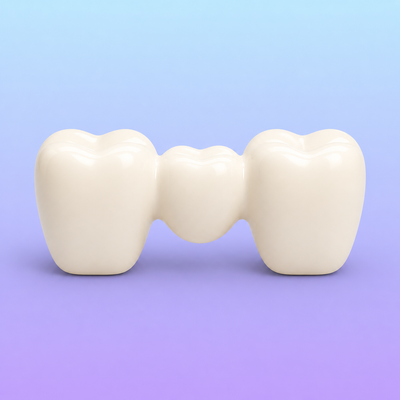




Crown stage: preparation, digital scan or impressions, a temporary when needed, final seating, bite adjustment, and aftercare guidance. Diagnostic exam or imaging is quoted separately when needed.
COFEPRIS A.P. 2509152002A00242
Dental crowns in Mexico City with clearer decisions before you commit
A crown protects a damaged tooth when a filling or onlay is no longer enough. If your tooth broke, a large filling keeps failing, a crown came loose, or you need protection after a root canal, we check the tooth first and explain the realistic path: filling, onlay, recementation, root canal first, or a new E-max or zirconia crown.
Crown stage: preparation, digital scan or impressions, a temporary when needed, final seating, bite adjustment, and aftercare guidance. Diagnostic exam or imaging is quoted separately when needed.
COFEPRIS A.P. 2509152002A00242
These are the questions that usually decide whether it is worth booking: what crowns currently cost, when E-max or zirconia usually make more sense, when a crown really does sound smarter than another filling, whether it can be handled in one day or needs separate days, and what to do if an older crown has already come loose.
E-max crowns currently start at 10,699 MXN, and zirconia crowns at 12,299 MXN. We confirm the final MXN quote after checking the tooth, bite, material, and whether a separate diagnostic visit is needed. Inlays/onlays, recementation, core buildup, and same-day workflow are quoted separately when they fit the case. See pricing .
E-max usually enters the plan when esthetics matter more on a visible tooth. Zirconia usually makes more sense when bite load, molars, or grinding matter more. Compare materials .
A new crown needs at least two appointments: preparation and scan or impression, then final seating and bite adjustment. In selected cases, those two appointments can happen on the same day with a few hours in between. Other cases are better planned over two separate days so fit, shade, contacts, and the final bite can be checked more carefully. See process .
Often yes when too much tooth structure is already gone, a large filling keeps failing, the tooth is cracked, or it needs more protection after root canal treatment. In other cases, a filling or onlay may still be enough. See when it fits .
Often yes if the crown and tooth still fit well and there is no new fracture or decay underneath. Keep the crown, avoid chewing on that side, and if this feels urgent you can message us on WhatsApp .
Yes. We support patients in English and Spanish in Roma Sur, close to Condesa, Roma Norte, Narvarte, and Metro Chilpancingo. Open map .
The main question here is not just what a crown costs. First you need to know whether the tooth really needs full coverage, whether it is still in filling or onlay territory, or whether the real next step is something earlier in the sequence like root canal treatment.
Large failing filling
When a wall of the tooth is gone, an older filling keeps fracturing, or the restoration is simply too large, the tooth may need more coverage and support than a direct filling can predictably provide.
Good fit if:
A large filling has already broken or come loose more than once
Food packs into the area or a wall of the tooth already feels missing
What remains of the tooth no longer protects the bite well
What this often points to: On some teeth an onlay may still be enough. The point is not to over-restore a tooth that can still be conserved more predictably.
Cracked or broken tooth
A crown often enters the plan when the tooth needs to wrap and protect more weakened structure, especially when the problem is no longer just cosmetic.
Good fit if:
The tooth hurts or feels unstable when you bite
A cusp broke or a visible crack is already part of the picture
It no longer feels predictable to keep chewing on it the same way
What this often points to: Deeper cracks change prognosis. Sometimes the crown protects the tooth. Sometimes the crack means the plan has to move in a different direction.
After root canal
Crowns are discussed more often after root canal treatment, especially on premolars and molars or when not much functional tooth structure is left.
Good fit if:
You were already told the tooth will probably need final protection
The tooth has a large buildup or very limited healthy structure left
You want to know whether E-max or zirconia makes more sense afterward
What this often points to: Not every root-canal-treated tooth is handled the same way, but this is one of the most common routes toward a crown.
Older crown problem
Not every older crown automatically needs a new crown. Sometimes recementation works. Other times there is new decay, fracture, or a poor fit, and the solution changes.
Good fit if:
The crown moved or came off
There is a bad taste, sensitivity, or food trapping around it
You want to know whether it can be saved or should be replaced
What this often points to: The goal here is not to sell a new crown if the existing crown and tooth still have a simpler, predictable fix.
Still not sure? The first appointment is still a diagnosis visit. We tell you whether the sensible plan is a crown, a more conservative filling or onlay, recementation, or whether the tooth first needs root canal treatment or a different solution entirely.
A lot of patients search this before they book. The useful version is not which material is universally better, but which one fits that tooth, that bite, that smile-zone demand, and that restorative goal more predictably.
E-max is discussed more often on front teeth and visible premolars where the main challenge is blending well with the smile, the shade, and the light behavior of the neighboring teeth.
A front tooth can still end up in zirconia if bite forces, remaining tooth structure, or long-term prognosis make that the smarter call.
Use this section to compare the restoration options that usually matter in a crown decision: ceromer or zirconia inlays/onlays, E-max or zirconia crowns, recementation, buildup, and the same-day workflow add-on when the case qualifies. MXN is the quote currency; USD is only a planning estimate when helpful.
Last updated: May 23, 2026
Calculate your treatment price in Mexico City
Build a planning estimate in seconds. Select treatments, adjust quantities, and compare your plan with U.S. estimates.
Select treatments to see your estimate
Looking for other treatment costs? See our dental prices in Mexico City.
The useful version is not a generic price list. These are the factors that actually move the plan: material choice, how much tooth is left, whether the case truly fits a same-day workflow, whether an older crown can still be recemented, and whether the tooth first needs something else.
The difference is not just marketing. The tooth type, esthetic demand, bite load, and the kind of restoration being delivered all change the conversation.
from 10,699 MXN
If too much tooth structure is missing, the crown may need a buildup before it can seat predictably. And if there is still decay, deeper fracture, or an older restoration to remove first, that also changes the scope.
1,999 MXN
A same-day workflow can be useful when the tooth, the bite, the esthetic demand, and the clinical and lab schedule truly allow it. In other cases, a lab-made crown over separate days is still the more careful move.
2,599 MXN
Recementation only works when the existing crown and the tooth still fit well and there is no new decay, fracture, or fit problem that changes the plan.
999 MXN
If the nerve is already involved, the conversation changes immediately. The crown may still be part of the plan, but after root canal treatment or together with a broader evaluation of what is still restorable.
May change
The goal is not to push a crown by default. You should leave with a written quote that clarifies whether the real plan is a new crown, recementation, a crown with buildup, or whether the tooth is still in more conservative-restoration territory.
The useful part here is separating diagnosis, preparation, fabrication, and final delivery. That makes it easier to understand whether this looks more like recementation, a more conservative restoration, a new crown in two same-day appointments or over separate days, or a tooth that first needs another step.
Tell us whether the tooth broke, a large filling failed, a crown came off, another dentist already told you a crown is likely next, or whether you already have X-rays or a treatment plan to share.
We evaluate the tooth, the bite, and any imaging needed to separate whether this is truly a crown case, whether a more conservative restoration still fits, whether recementation is possible, or whether root canal treatment enters first.
If a crown is the right plan, we prepare the tooth, remove decay or older restorations when needed, and add buildup only if the tooth needs a stronger foundation before scanning or taking impressions.
A new crown needs at least two clinical appointments. In some cases, preparation, fabrication, and final seating can be organized on the same day with a few hours in between. Other cases benefit more from a lab-made crown with a temporary and a second appointment on another day so shape, color, contacts, and the bite can be checked more carefully.
The final visit checks fit, contacts, color when that matters, comfort while biting, and care instructions. After placement, avoid hard or sticky foods until numbness wears off, keep brushing and flossing as directed, and tell us if the bite feels high, the crown feels loose, or pain increases instead of settling.
These are clinic-wide reviews, not only from crown cases, but they matter here because this decision usually depends on the same things: clear explanations, calm care, trust in the plan, and real follow-through.
Crowns are not understood well unless you talk about restoration, the bite, the gum margin, and sometimes the earlier step if the nerve is already involved. That is why the team matters from the beginning, not just the fee.
Registered nurse and patient experience lead helping with messages, scheduling, and follow-up.
Prosthodontic planning for crowns, fixed rehabilitation, material selection, bite, and esthetics when the restoration needs to last beyond a quick repair.
Helps separate honestly when a tooth is still in filling or onlay territory and when a crown becomes the more stable decision.
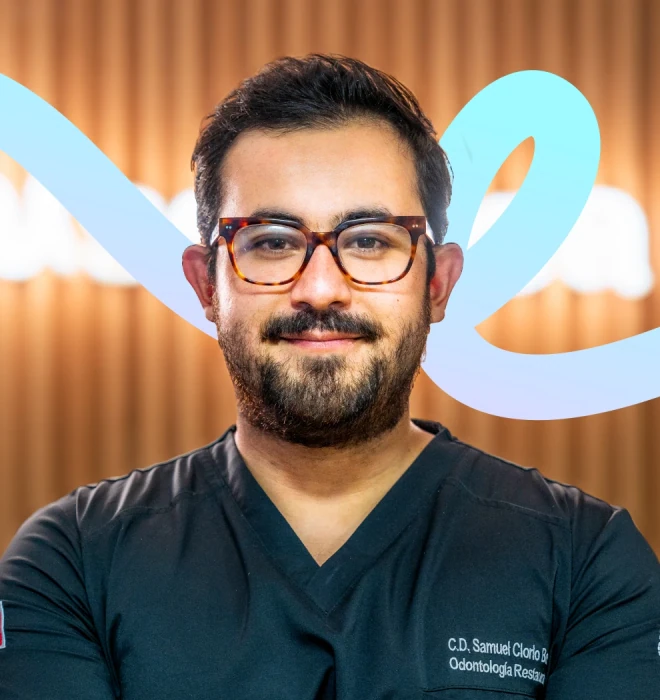
Restorative dentist focused on crowns, occlusal fit, and clear explanations about when E-max or zirconia genuinely make more sense.
Steps in when the nerve may already be involved and the crown conversation cannot be separated from root canal treatment first.
Supports the cases where gum health and the restorative margin matter for how predictably the crown seats and holds up.
For a crown visit, logistics matter too: parking, hopping off at Metro Chilpancingo, getting in and out without turning it into a complicated day, or fitting the visit around work or travel.
Tepic 139-706, Roma Sur, Cuauhtémoc, 06760 Ciudad de México, CDMX
5–10 minutes by car via Av. Insurgentes Sur; Metro Chilpancingo is one stop away.
Open in Google Maps6–12 minutes by car, or a 15–18 min walk down Medellín toward Roma Sur.
Open in Google Maps10–20 minutes by car via Av. Cuauhtémoc; Metro Etiopía → Chilpancingo in ~12–15 min.
Open in Google Maps~15–45 minutes by car (traffic-dependent). Easy Uber from Terminals 1 & 2.
Open in Google MapsThe first questions are the real decision points: whether a crown evaluation actually fits your tooth, when a crown makes more sense than a filling, how the material choice changes, and only then price, timing, recementation, and language support.
A crown is more likely when too much tooth structure is missing, a large filling keeps breaking, a cusp cracked, the tooth has heavy bite forces, or the tooth needs protection after root canal treatment. If enough healthy tooth remains, a filling or onlay may still be the more conservative option.
Yes. A crown evaluation is built for broken teeth, large fillings that keep failing, cracked teeth, older loose crowns, or teeth that may need protection after root canal treatment. Sometimes the final plan really is a crown, and sometimes it shifts toward a filling, an onlay, recementation, or another treatment.
If the damage is still small or contained, a filling may be enough. If the tooth is too damaged for a filling but still has enough healthy structure left, an onlay may still make sense. If the tooth needs full coverage to handle the bite more predictably, a crown enters the plan more strongly. The decision comes from the real tooth, not a one-size-fits-all script.
It depends on the tooth, the bite, and the goal of the case. E-max currently starts at 10,699 MXN and is discussed more often when esthetics matter most on a visible tooth. Zirconia currently starts at 12,299 MXN and enters the plan more often when strength, molars, or grinding matter more. There is no universal winner outside the clinical context.
Right now E-max crowns start at 10,699 MXN and zirconia crowns at 12,299 MXN. If the case is a true same-day fit, the current workflow add-on is 2,599 MXN. If the tooth needs a stronger base first, core buildup is currently 1,999 MXN. If an older crown is still salvageable, recementation currently starts at 999 MXN. We confirm the final plan clearly in MXN before treatment begins; USD can be shared as a planning estimate when helpful.
No. The crown price covers the crown stage for the diagnosed tooth: preparation, digital scan or impressions, a temporary when needed, final seating, bite adjustment, and aftercare guidance. Diagnostic visits, X-rays/CBCT, core buildup, same-day workflow, root canal treatment, fillings, recementation, extractions, gum care, night guards, treatment on other teeth, and emergency care are quoted separately when needed.
A new crown needs at least two appointments: preparation and scan or impression, then final seating and bite adjustment. In selected cases, those two appointments can happen on the same day with a few hours in between. On other teeth it is still smarter to use a temporary and return on another day so fit, contacts, shade, and the final bite can be checked more carefully.
Often yes, especially on premolars and molars or when the tooth has already lost a lot of structure. But not every root-canal-treated tooth ends up in exactly the same restorative plan.
If that is already part of your sequence, you can also see root canal treatment to understand better how the crown decision usually enters afterward.
Often yes, if the crown is still intact, the tooth still fits well, and there is no new decay or fracture underneath. Keep the crown, do not use household glue, and book promptly. If the crown no longer seals well or the tooth has changed too much, we will tell you honestly when a new crown makes more sense.
Yes. We support patients in English and Spanish. Crown quotes are confirmed in MXN, and we can share USD planning estimates when that helps you review the plan.
If your case involves a loose crown, travel timing, or a more urgent question, you can also message us on WhatsApp .
If your tooth is not yet clearly in crown territory, or if the real problem also includes pain, urgency, or a more conservative restoration, these are the paths that most often overlap with a crown visit.