




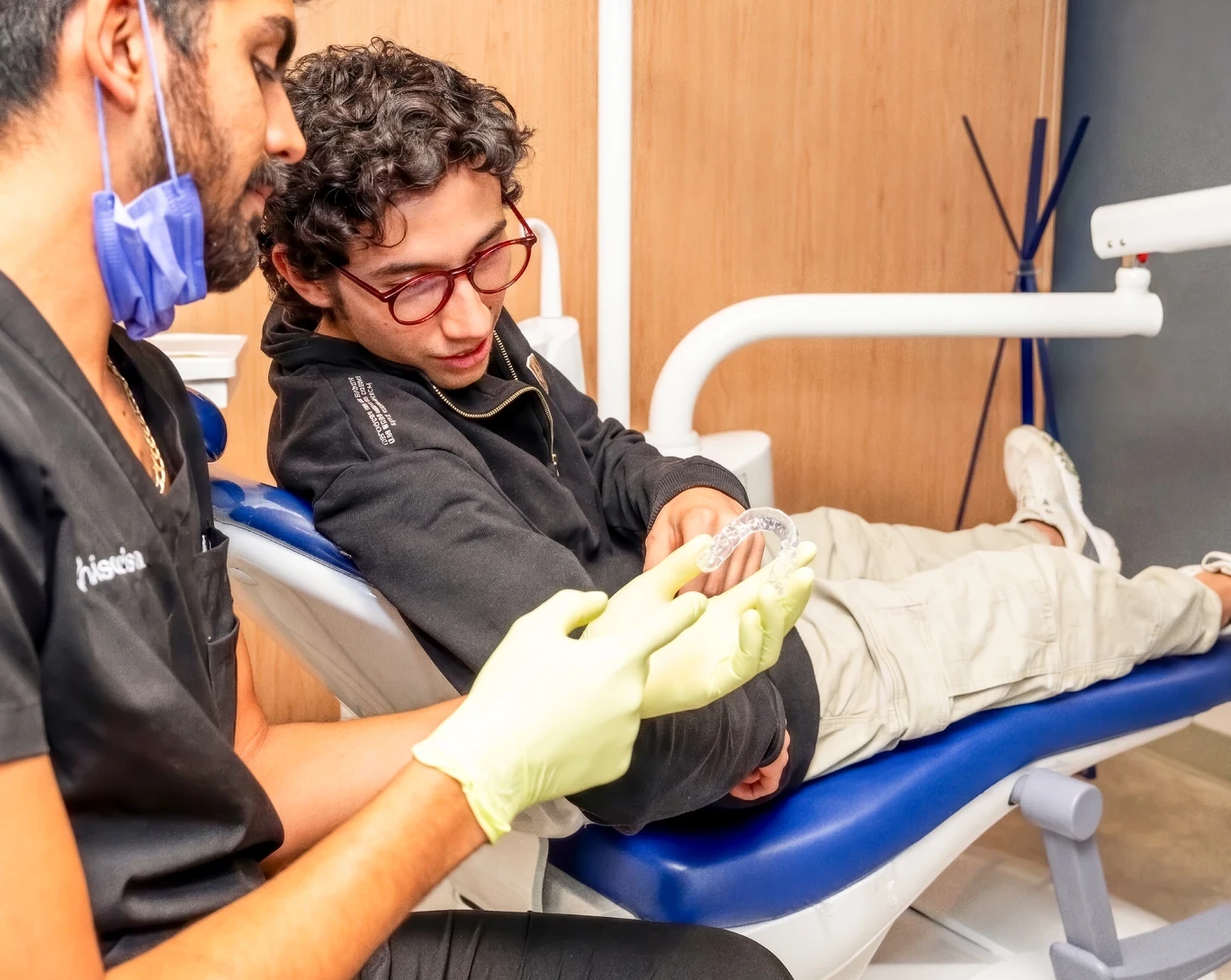
Visits: usually 2 Options: 1,999 MXN / 4,999 MXN
Typical flow: wear and bite check, choice between retainer-style or 3D occlusal guard, fabrication, and a delivery visit to check the fit.
COFEPRIS A.P. 2509152002A00242
Protect your teeth while you sleep if you grind or clench
If you wake up with a tight jaw, morning headaches, worn tooth edges, or a drugstore guard you could not tolerate, we can check your wear pattern and bite. Then we’ll explain whether a thin retainer-style guard or a thicker 3D occlusal guard fits your needs.


Typical flow: wear and bite check, choice between retainer-style or 3D occlusal guard, fabrication, and a delivery visit to check the fit.
COFEPRIS A.P. 2509152002A00242


Before you book, it helps to know whether your symptoms point to grinding or clenching, which custom guard may fit, what each option costs, and when an exam should come first.
Yes. We can explain wear, clenching, fit, and care in English or Spanish from the first message through delivery.
It may help if you wake up with jaw tension, notice worn or flatter edges, keep chipping fillings, or cannot tolerate a prefabricated guard. A custom guard can protect teeth and may reduce muscle load, but it does not stop every cause of bruxism. If you are not sure of the cause, start with our dental exam .
The retainer-style custom night guard is 1,999 MXN. The 3D custom occlusal night guard is 4,999 MXN. If your case needs a fuller exam, imaging, or filling/crown repair before fabrication, we quote that separately.
Usually one visit to examine the wear and take impressions or a 3D scan depending on the option selected, then another to deliver the guard and check the fit. Final timing depends on lab workflow and whether the guard needs adjustments at delivery.
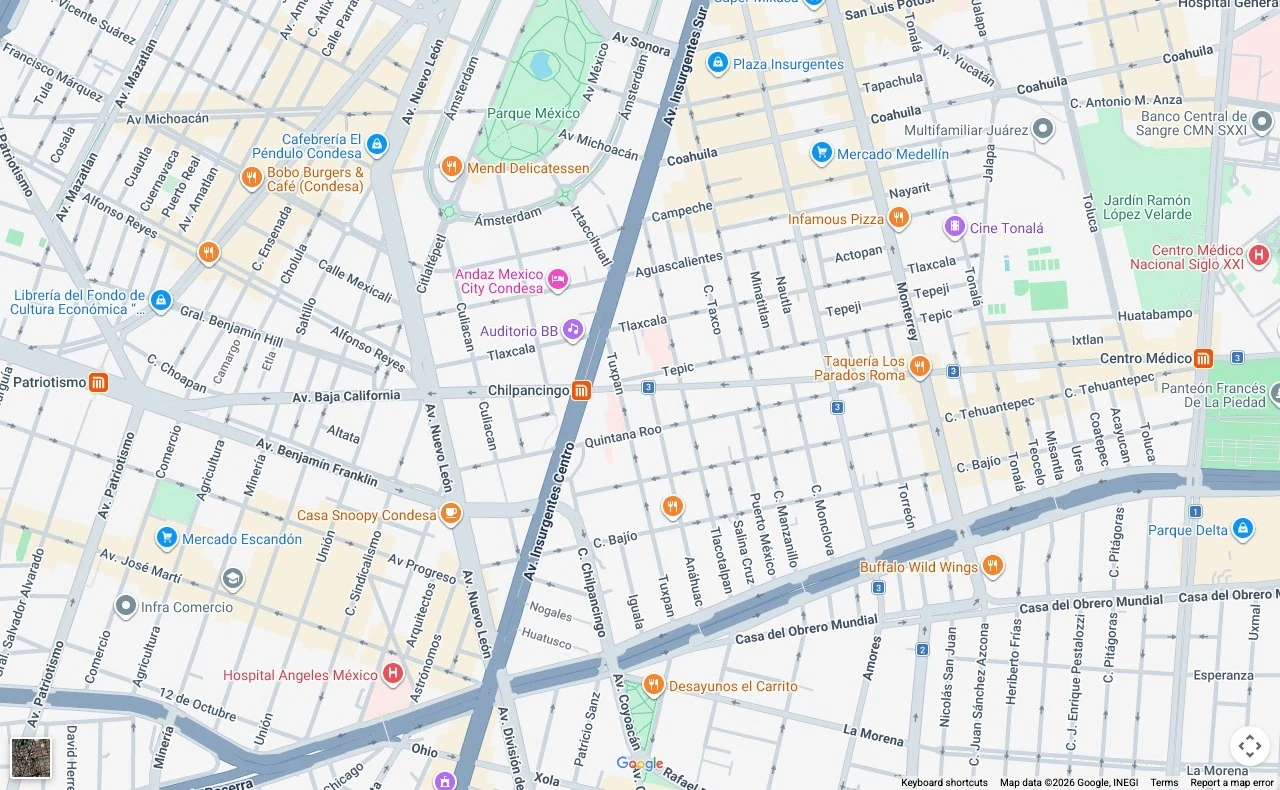
We are in Roma Sur, a short walk from Metro Chilpancingo. Open in Maps if you want to check the route before you come in.
You can book online, message us on WhatsApp , or call us if your timing is tight. Tell us what you have noticed and, if helpful, send photos or videos of worn edges, broken restorations, fit concerns, or a previous guard. If you are traveling, include your dates. If you are visiting from the U.S., we can also confirm payment options, replacement timing, and whether a new guard or adjustment is realistic during your trip.
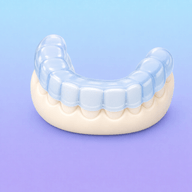
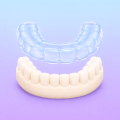
We make both options to fit your mouth. A thin retainer-style guard can suit lighter protection needs, while a 2-3 mm 3D occlusal guard may be better for heavier clenching or grinding.
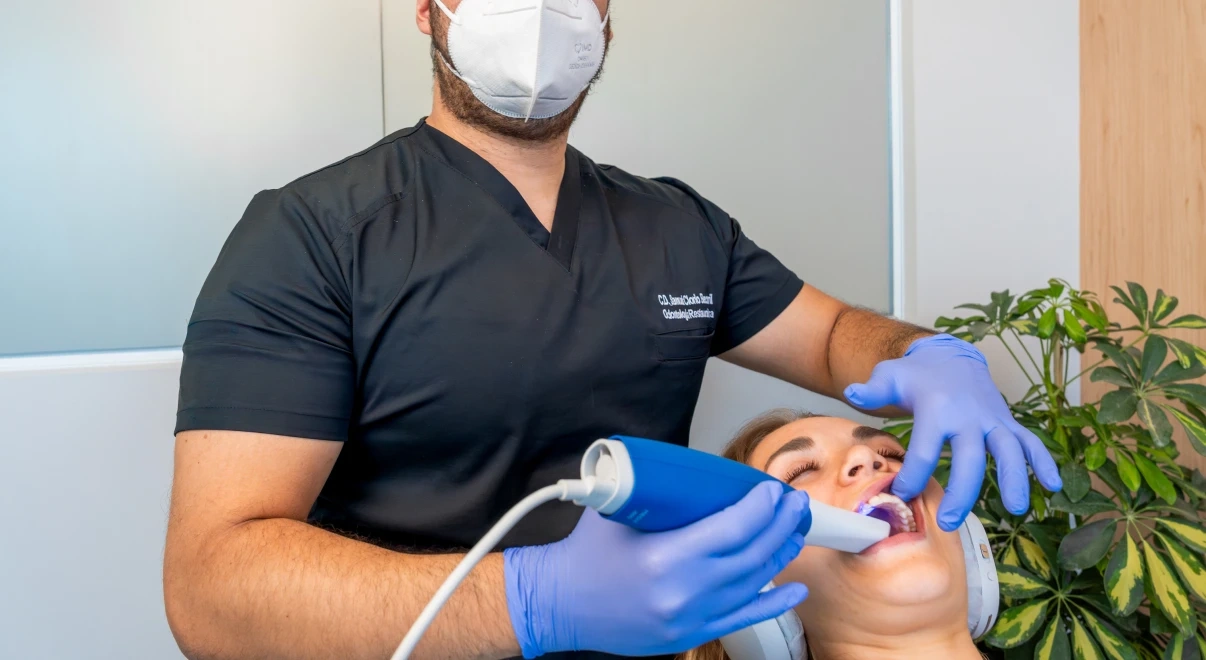
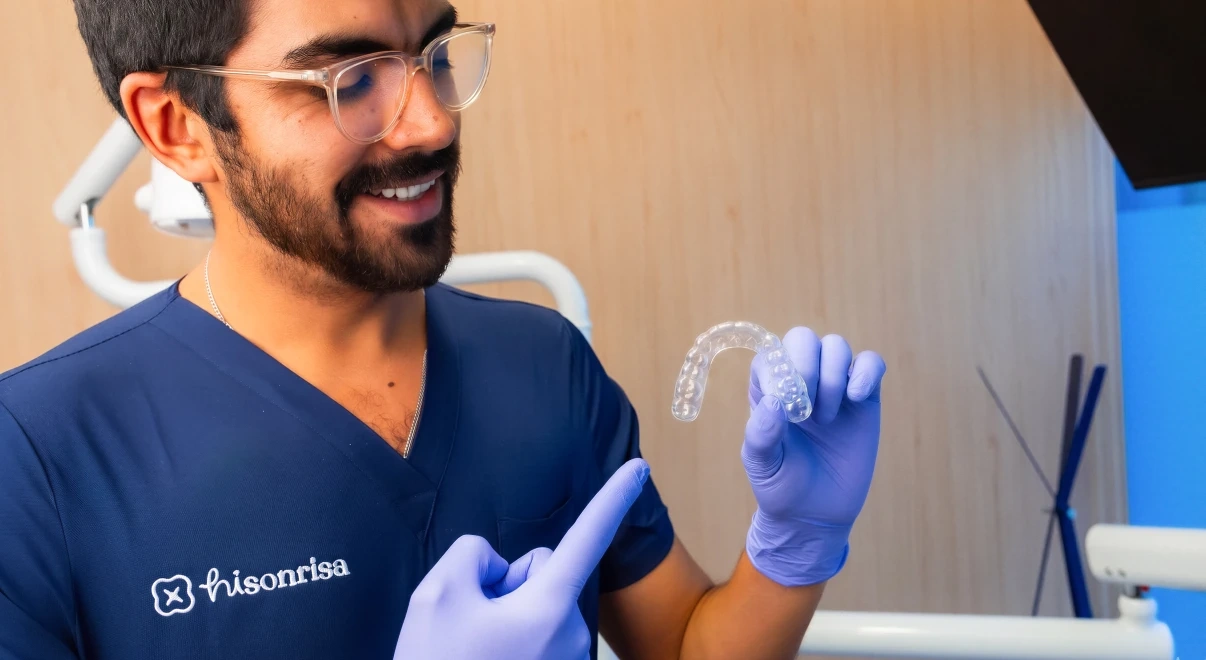
A custom night guard can protect teeth and dental work from clenching or grinding forces. The right design depends on your bite, wear pattern, restorations, and how heavily you clench or grind.
Cases where the goal is to protect teeth and restorations at night with a guard that fits comfortably.
It can protect teeth when you wake up with jaw tension, visible wear, or other signs of bruxism. The guard does not stop bruxism itself.
It is used to reduce direct load on tooth edges, fillings, crowns, or veneers when the bite allows it.
The bite check, records, and delivery visit help decide between thin acetate or 3D occlusal guard, and catch high spots before you use it at home.
If the main problem is something else, the right move is to diagnose it before making a guard.
Even when one option is retainer-style because it is thin, it is not an orthodontic retainer, sports mouthguard, whitening tray, aligner, or sleep apnea appliance.
It does not replace a filling, bonding, crown, root canal, or emergency visit if there is already pain, fracture, decay, or swelling.
It may be part of a plan, but it is not full treatment for jaw locking, severe joint pain, or suspected sleep apnea on its own.
We start by checking whether your symptoms fit grinding or clenching, or whether tooth pain, your bite, or the jaw joint needs a fuller exam.
Visible wear
Grinding wear often shows up first as slow changes in tooth shape. A night guard makes more sense when the goal is still preventing additional damage.
Good fit if:
Incisal edges look flatter or more even than before
Fillings or small tooth edges keep chipping
You want to slow wear before needing larger restorative work
Why it matters: If major structure is already missing, the conversation may shift toward crowns or other restorative support.
Tired jaw
Jaw tightness can appear before wear becomes obvious. We check whether a custom guard can protect your teeth and reduce strain.
Good fit if:
Your jaw or temples feel tight in the morning
A partner hears grinding during the night
You also catch yourself clenching during the day under stress or concentration
Why it matters: If the jaw locks or the joint pain is strong, it is better not to assume this is only bruxism.
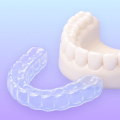
Guards you stop wearing
A better fit can make a custom guard easier to wear consistently. If the guard shifts, feels bulky, triggers gagging, or seems too high, people stop wearing it quickly.
Good fit if:
The drugstore guard pops out or never seats well
It feels bulky, makes you salivate more, or distracts you from sleep
You want something you can realistically wear every night
Why it matters: The goal is a guard you can comfortably wear each night.
Needs a closer look
A night guard may still be part of the plan, but here it matters more to check first for a crack, deeper decay, or a restorative problem that will not be solved by a guard alone.
Good fit if:
One tooth hurts specifically when you bite down
A filling or crown has already chipped under pressure
You want to avoid buying a guard when the main problem is actually something else
Why it matters: This is where a broader diagnostic visit often makes more sense first, even if the plan later still includes a guard.
Not sure? The first visit may end in a custom guard, a broader diagnostic exam, or another recommendation if the real issue is not solved by a guard alone.
Both guards are custom-made. After checking your bite, wear pattern, restorations, and clenching force, we confirm which option fits and its MXN price before fabrication.
Last updated: July 14, 2026
Calculate your treatment price in Mexico City
Select treatments, adjust quantities, and compare your plan with U.S. estimates.
Select treatments to see your estimate
The guard price covers the selected custom guard and the delivery visit for fit review. A broader exam, imaging, emergency care, fillings, crowns, cleaning, gum care, TMJ/TMD specialist care, sleep evaluation, repairs, or replacement are quoted separately when needed. Prices are quoted in MXN. USD amounts are planning estimates and may vary by exchange rate.
Looking for other treatment costs? See our dental prices in Mexico City.
Night guard visits usually start in general dentistry. If the wear already overlaps with gum issues, restorations, one-tooth pain, or broader bite planning, we explain why and bring in the right doctor.

Registered nurse and patient experience lead helping with messages, scheduling, and follow-up.
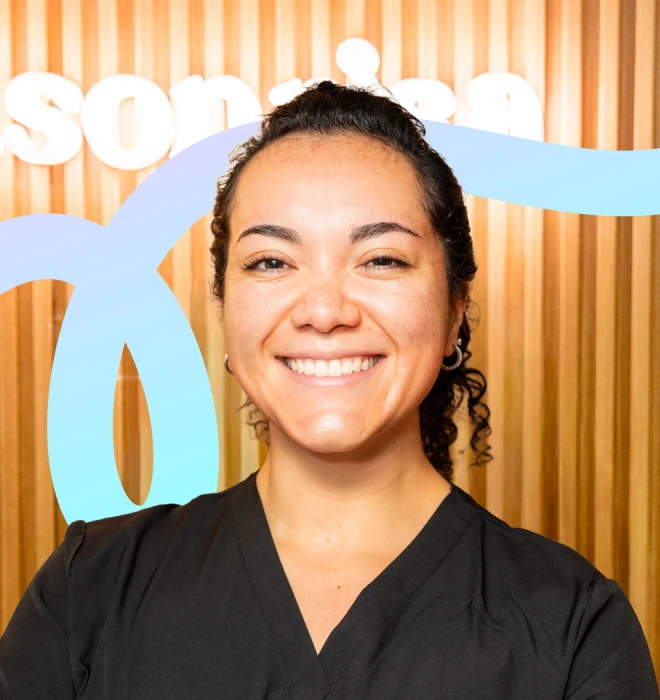
General dentist focused on wear, clenching, and the kind of clear explanation that helps patients understand when a night guard is actually the right first step.

Helps when clenching overlaps with inflammation, recession, or periodontal questions that should be separated from a purely mechanical grinding problem.

Joins when wear is already affecting crowns, prosthetics, tooth support, or bigger conversations about bite reconstruction, esthetics, and longer-term restorative planning.

Steps in when the pain no longer looks like simple clenching and one tooth may need a crack check, endodontic evaluation, or deeper diagnostic review.
We first check whether a night guard is appropriate, then choose the design and take the records needed. At delivery, we check how it fits your bite before you use it at home.
Tell us whether you grind, clench, wake up sore, or have already chipped a filling or tooth edge. That helps us recommend the right type of appointment before you come in.
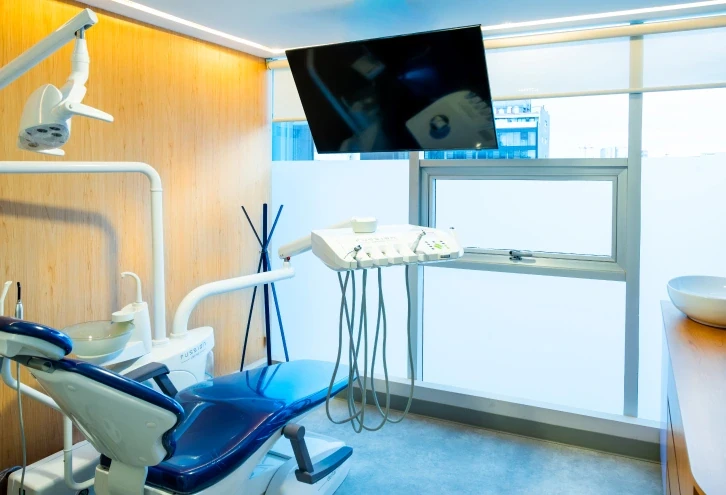
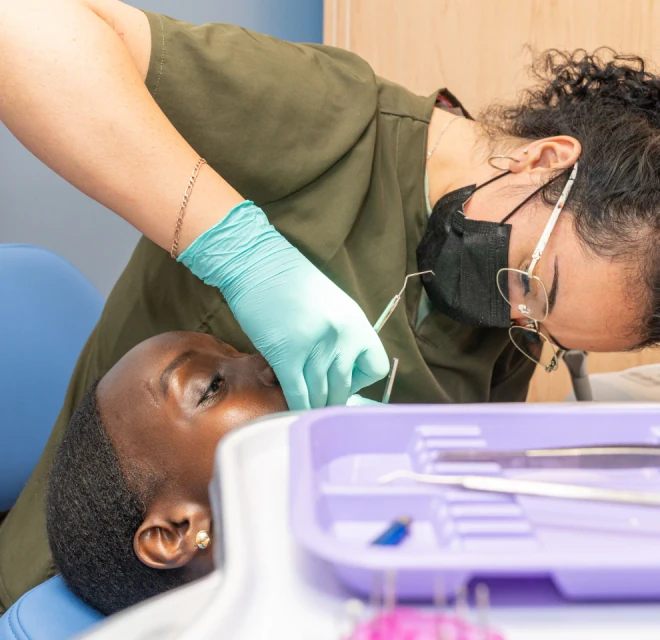
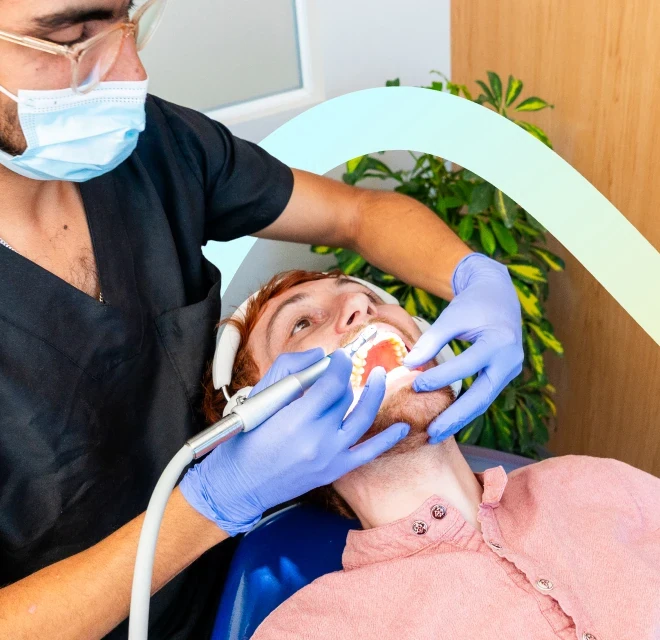
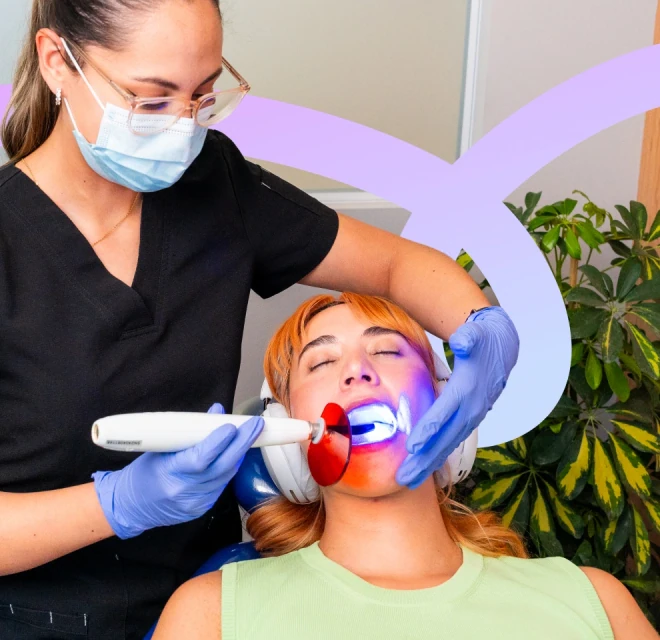
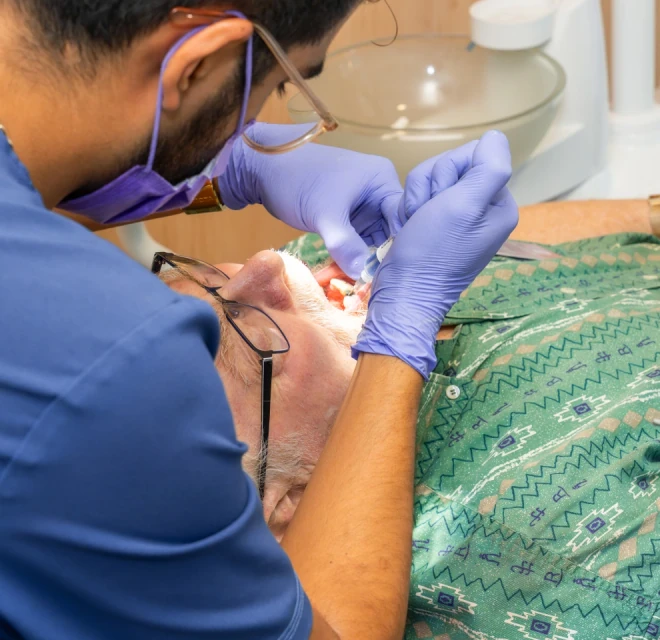
At the visit we examine wear, sensitive areas, older restorations, and how your teeth contact. If a guard is appropriate, we confirm whether a thin retainer-style option is enough or whether a 2-3 mm 3D occlusal guard fits better.
We explain whether this is a retainer-style guard, a 3D occlusal guard, or whether another issue should be handled first. Then we confirm the MXN price, what is included in the guard, and what would be quoted separately before fabrication.
The guard is fabricated according to the selected option: thin acetate or thicker 3D design. Then we try it in, check how it seats, how your bite closes on it, and whether it needs any fine adjustment.
Before you leave, we explain how to insert it, remove it, clean it, and when to message us if something does not feel even. You leave knowing how to use it comfortably at home and when to ask for an adjustment.
A custom night guard usually involves two visits: one for the initial check and records, and another for delivery and fit review. Being in Roma Sur makes the return visit easier once the guard is ready.
Tepic 139-706, Roma Sur, Cuauhtémoc, 06760 Ciudad de México, CDMX
5–10 minutes by car via Av. Insurgentes Sur; Metro Chilpancingo is one stop away.
Open in Google Maps6–12 minutes by car, or a 15–18 min walk down Medellín toward Roma Sur.
Open in Google Maps10–20 minutes by car via Av. Cuauhtémoc; Metro Etiopía → Chilpancingo in ~12–15 min.
Open in Google Maps~15–45 minutes by car (traffic-dependent). Easy Uber from Terminals 1 & 2.
Open in Google MapsThese answers cover when a custom night guard may help, how the two designs differ, what fabrication involves, and what to expect when you begin wearing it.
If the problem sounds like wear, clenching, fillings that keep chipping under pressure, or a tired jaw, a night guard may be a reasonable route. But if pain centers on one tooth, biting hurts, the jaw locks, or you are not sure of the cause, it makes more sense to start with a dental exam .
The cause should be checked first if you have active tooth pain, untreated cavities, loose teeth, gum disease, an unstable bite, severe jaw locking, suspected sleep apnea, recent dental work that is still changing your bite, missing teeth, or very heavy bruxism.
In those situations a guard may still be part of the plan, but making it before diagnosis or stabilization can leave you with an uncomfortable, incomplete appliance or one that stops fitting soon.
The retainer-style custom guard is 1,999 MXN. It is a thin acetate guard for simpler protection or lighter clenching. The 3D occlusal guard is 4,999 MXN; it is usually thicker, often 2-3 mm, and planned from a 3D scan for greater durability.
The choice depends on your wear pattern, restorations, expected comfort, clenching severity, and whether you need a less bulky option or a more protective guard.
Many patients use mouth guard casually for any appliance worn in the mouth. On this page, we mean a custom night guard, also called an occlusal guard, made to protect teeth and restorations when there is teeth grinding, clenching, or bruxism.
It is not the same as an orthodontic retainer, sports mouthguard, sleep apnea appliance, aligner, or whitening tray. If you need a different kind of appliance, we tell you before fabricating the guard.
Some people try an over-the-counter or drugstore mouth guard first. It may work as a first attempt in very simple cases, but many feel bulky, shift during sleep, trigger gagging, or do not distribute the bite evenly.
A custom guard is planned after checking wear, bite, restorations, comfort, and clenching force. It should fit well enough to wear consistently and protect the areas that need it.
Each option price applies to the selected guard and the delivery visit to review the fit. Before fabrication, we confirm whether we would make a thin retainer-style guard or a thicker 3D occlusal guard, and whether your case needs any additional step.
A fuller exam, added imaging, filling or crown repair, urgent-care visit, or adjustment beyond the initial delivery is quoted separately when needed. If the guard is lost, cracked, warped, or no longer fits after other dental work, replacement is usually priced as a new guard unless the doctor confirms a small adjustment is enough.
Depending on the case, we may discuss a thin acetate retainer-style guard or a thicker 3D occlusal guard. Mild clenching may do well with a thinner option; heavier bruxism, visible wear, restorations, or repeated chips usually call for a more stable and durable guard.
We also review whether an upper or lower guard makes more sense. That decision comes after checking the bite, comfort, space, and wear pattern, not preference alone.
Not necessarily. A guard mainly protects your teeth from wear and may reduce strain on the muscles and jaw joint, but it does not solve every cause of bruxism or clenching on its own.
If stress, sleep apnea, joint pain, or another underlying factor is involved, the guard may be only one part of the plan.
It is not usually a same-day treatment because records have to be taken first and the guard has to be fabricated afterward. The typical sequence is one visit for the exam and impressions or a scan, then another visit for delivery and fit adjustment.
Exact timing depends on the lab, the material, whether the 3D option is indicated, and whether it needs refinement at delivery.
Yes, if your schedule allows two visits: one for the exam and scan or impression, and one for delivery and fit review.
If you are only in Mexico City for a short time, message us on WhatsApp before booking so we can confirm whether the timeline works for your travel dates.
It is normal to be aware of something new in your mouth during the first nights, but it should not feel sharp, excessively high, or as if all the pressure lands on one tooth.
If it is clearly uncomfortable, does not seat fully, or you wake up with a different kind of soreness, it is worth having it reviewed.
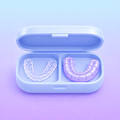
Rinse it with cool or lukewarm water, clean it with a brush and mild soap, let it air dry, and keep it in a vented case.
Avoid very hot water or direct heat because that can warp it.
There is no fixed lifespan. It depends on the material, how heavily you clench, and how much wear the guard accumulates.
It is worth bringing it to checkups so cracks, warping, or heavy wear can be spotted early.
Message us as soon as you notice that it does not seat well, feels uneven, or wakes you with a new kind of soreness. We can often guide the next step by reviewing symptoms, photos, or videos.
The fastest follow-up channel is usually WhatsApp .
Often yes, but that is exactly why checking the bite in person matters. A well-planned guard also needs to seat reasonably against existing restorations.
If an older restoration is already cracked or failing, we tell you whether it should be repaired before the guard is made.
A guard may be enough for straightforward wear. If we find a cracked filling, pain on biting, jaw locking, rapid bite changes, or an urgent problem, we explain the right treatment or referral.