








Quick summary
The short answer before you book
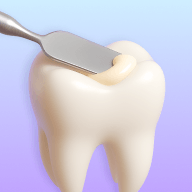
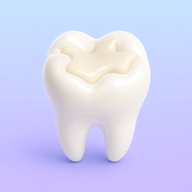
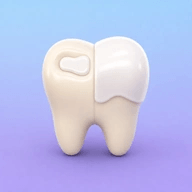
A filling repairs smaller damage when the tooth walls are still strong. An inlay or onlay can be the middle option. A crown protects a tooth when cracks, missing structure, bite force, or root canal history make a smaller repair less predictable.
-
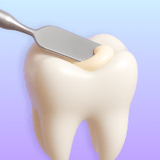
A filling may be enough
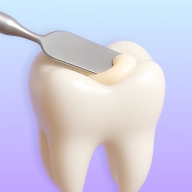
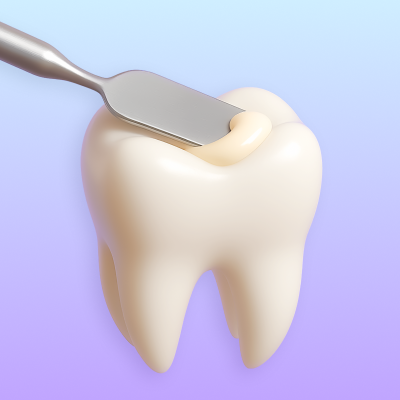
This usually fits when the cavity or fracture is smaller, healthy tooth remains around the repair, and the bite does not overload it. See composite fillings .
-
An onlay may be the middle path
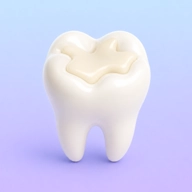
An inlay or onlay can add more support than a direct filling while preserving more tooth structure than full coverage when the tooth qualifies. See dental inlays and onlays .
-
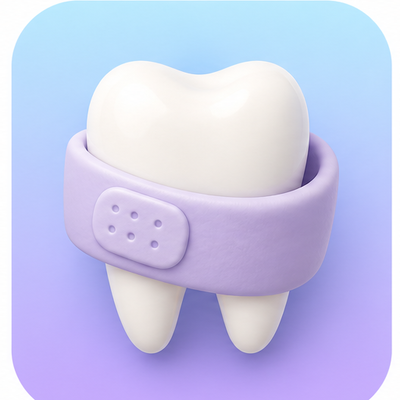
A crown may be more predictable
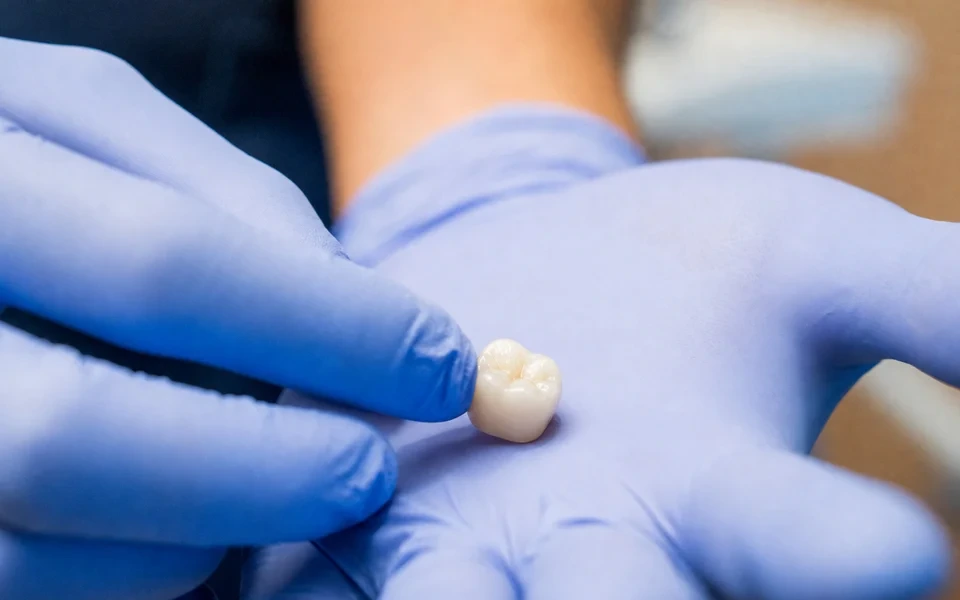
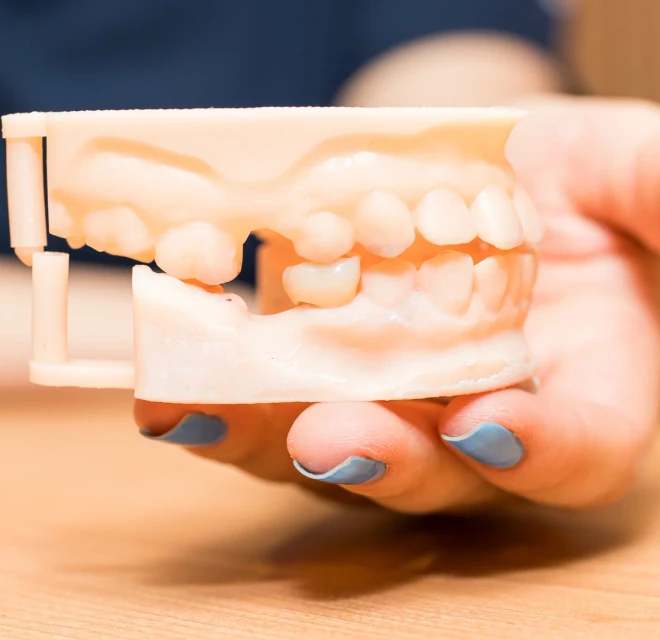
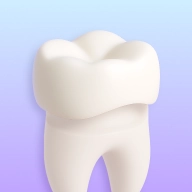
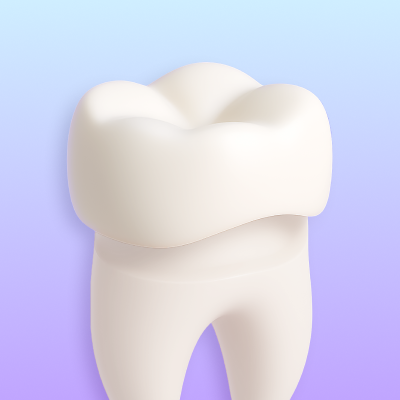
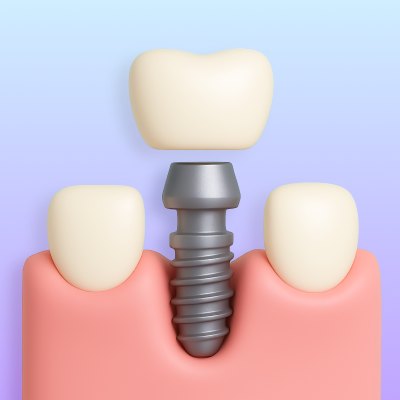
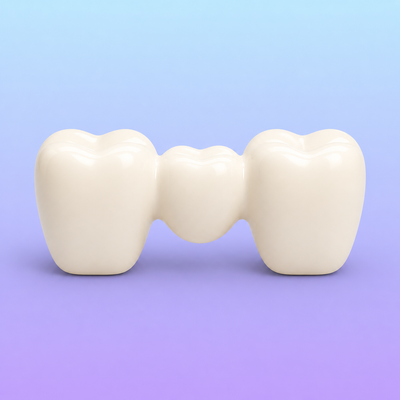
A crown is more likely when too much tooth is missing, a cusp is cracked, a large filling keeps failing, or the tooth needs protection after root canal treatment. See dental crowns , or whether yours could be a same-day crown , or plan multiple crowns if several teeth are involved.
-
The tooth decides, not the price list
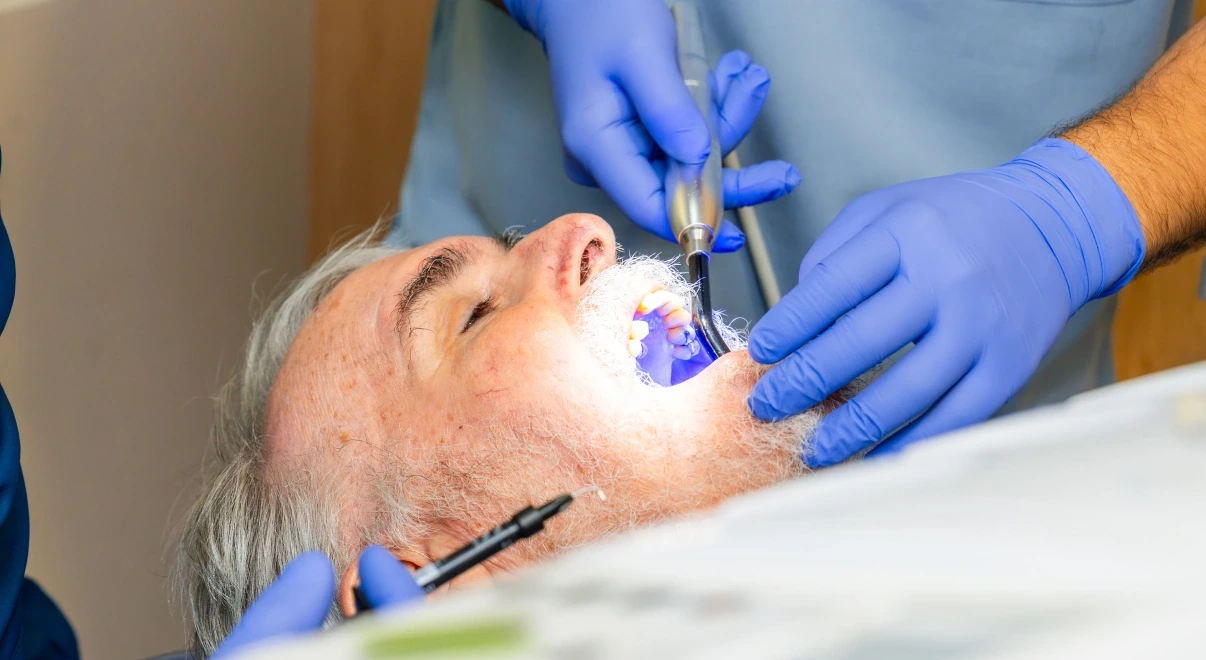
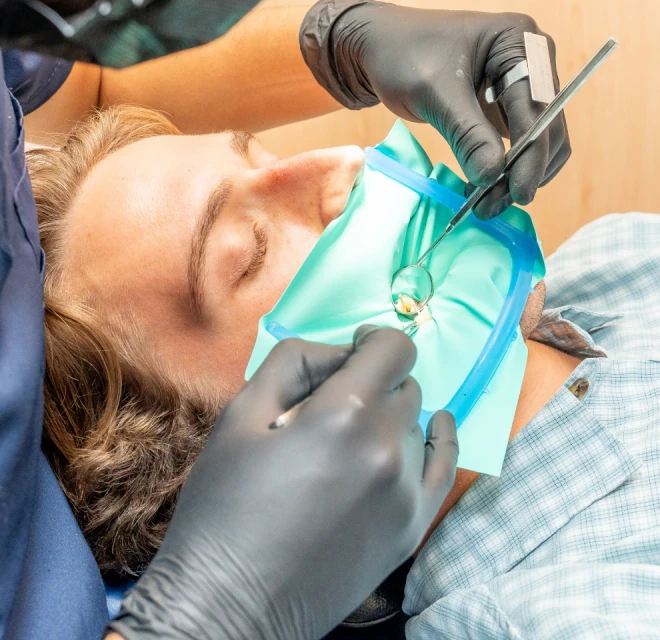
A dental exam checks tooth structure, old restorations, bite, symptoms, cracks, and imaging before we recommend the least aggressive option that still has a solid chance of lasting.
-
Pain changes the first question
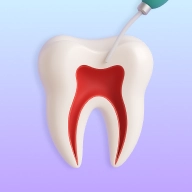
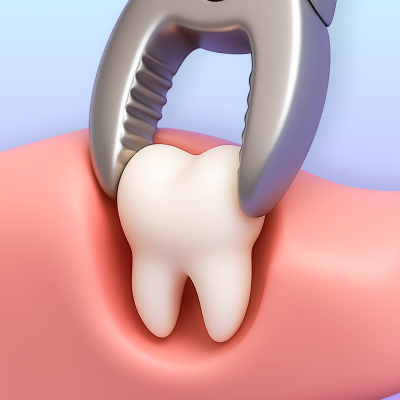
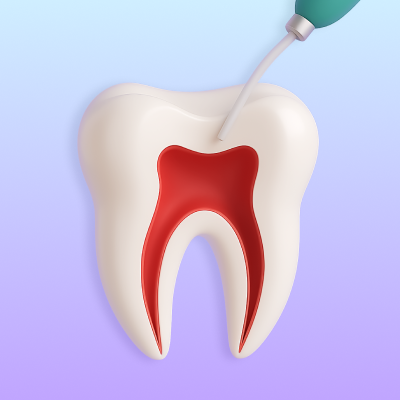
Strong pain, swelling, pus, bad taste, a gum bump, or sharp pain when biting can mean the first step is diagnosis, root canal care, or emergency treatment. Review root canal care . See emergency dental care .
-
Travelers should not wait until the last day
If you are visiting from the U.S., send photos, X-rays, symptoms, and your dates before booking so we can plan the visit more realistically.