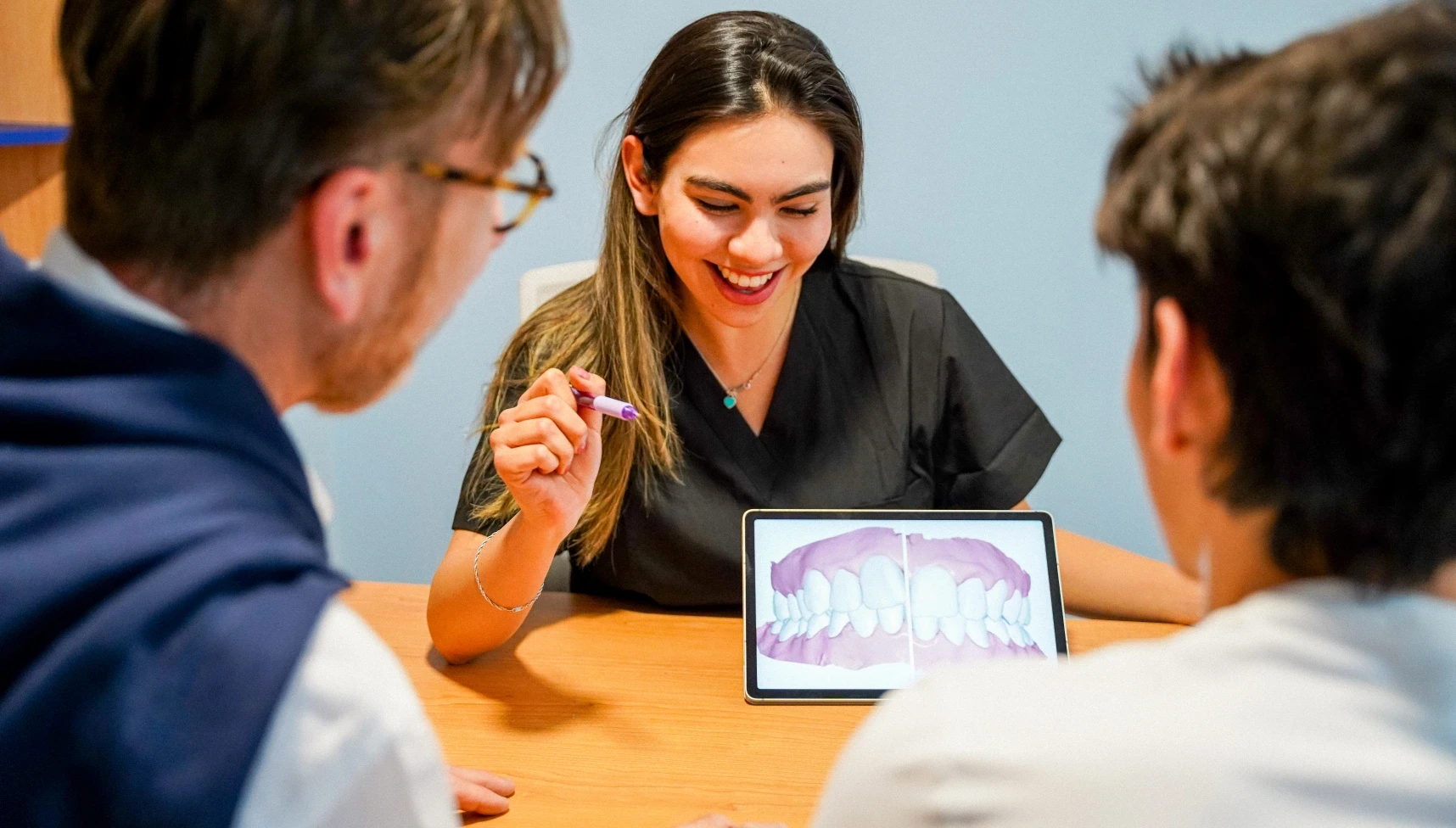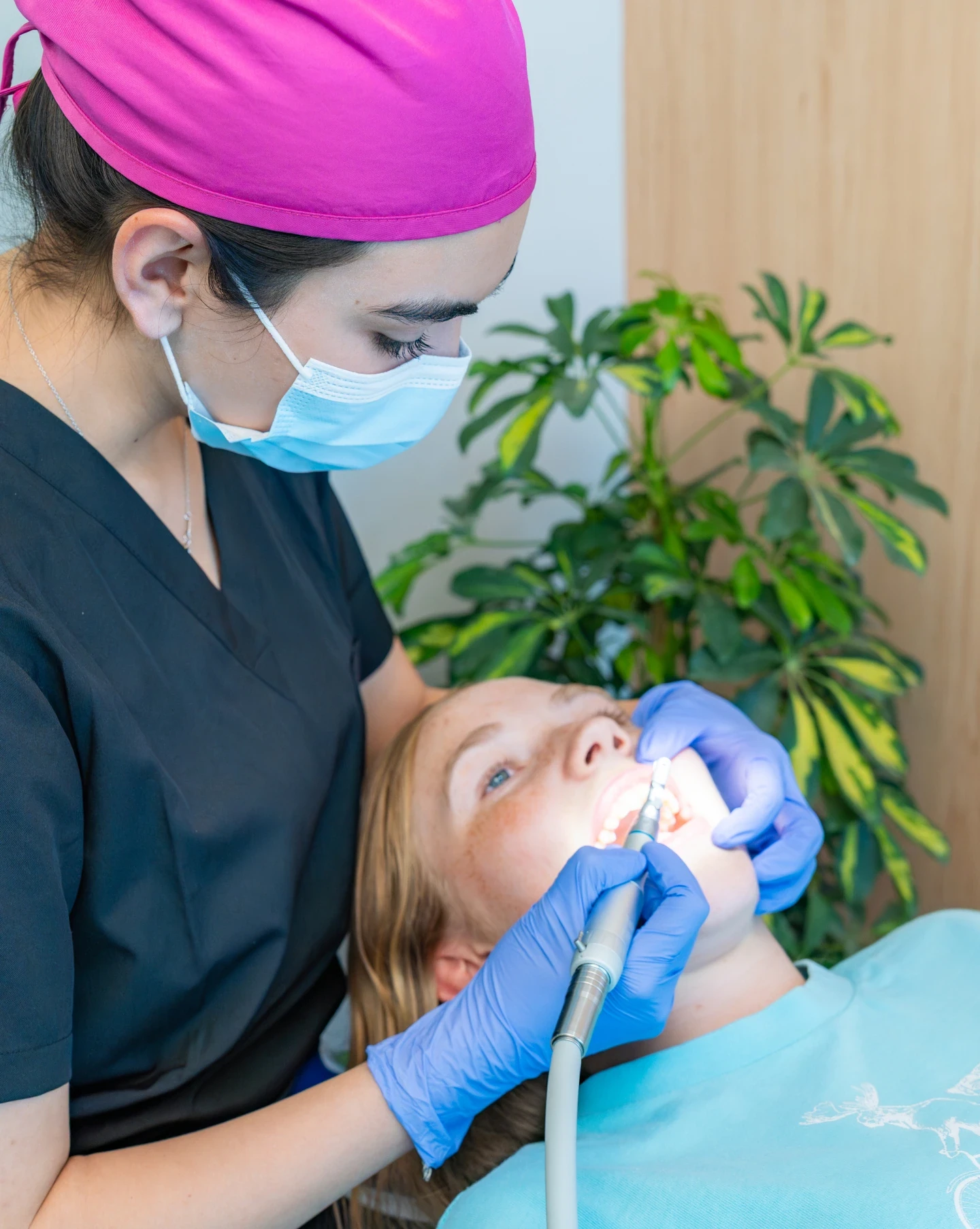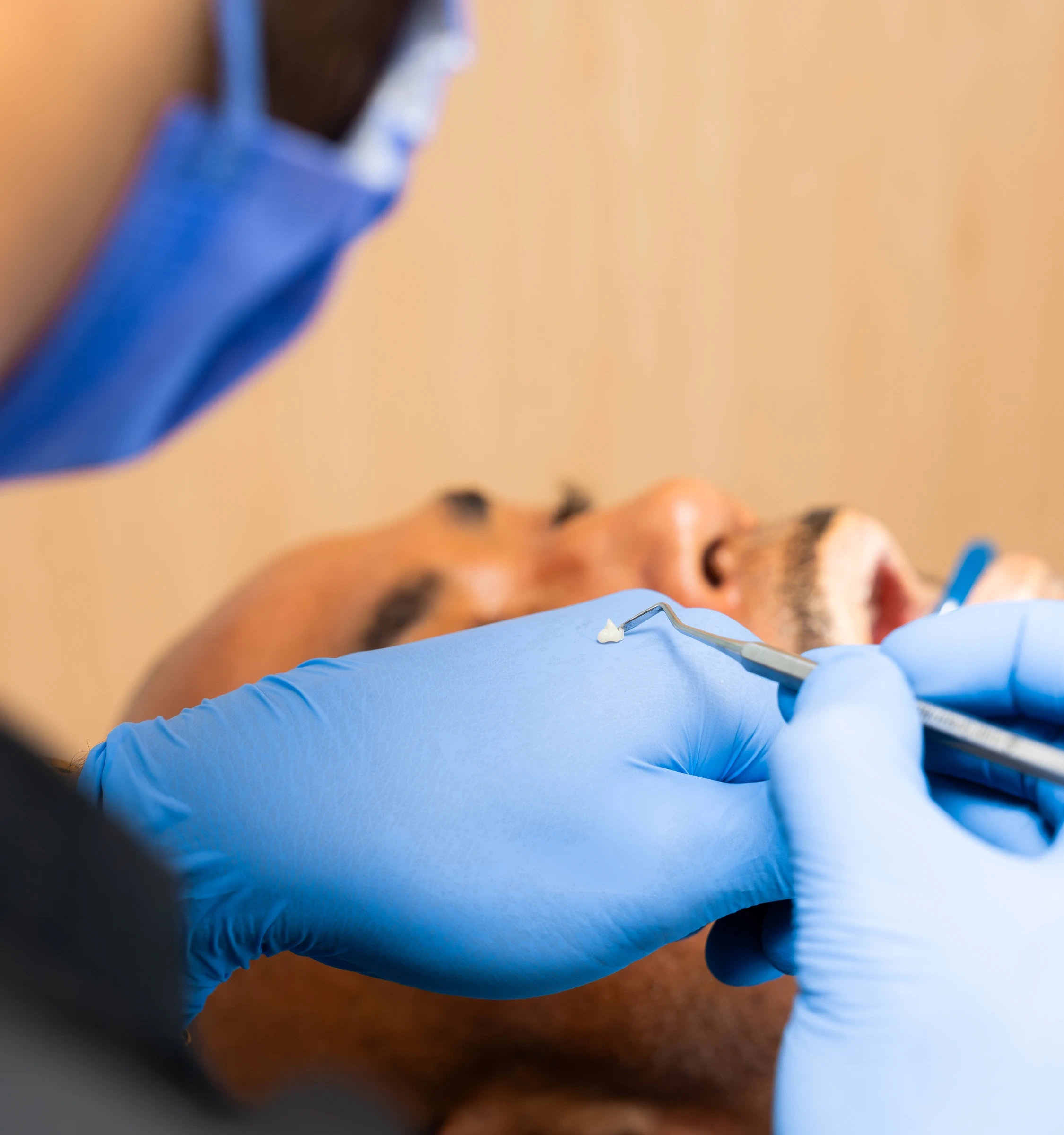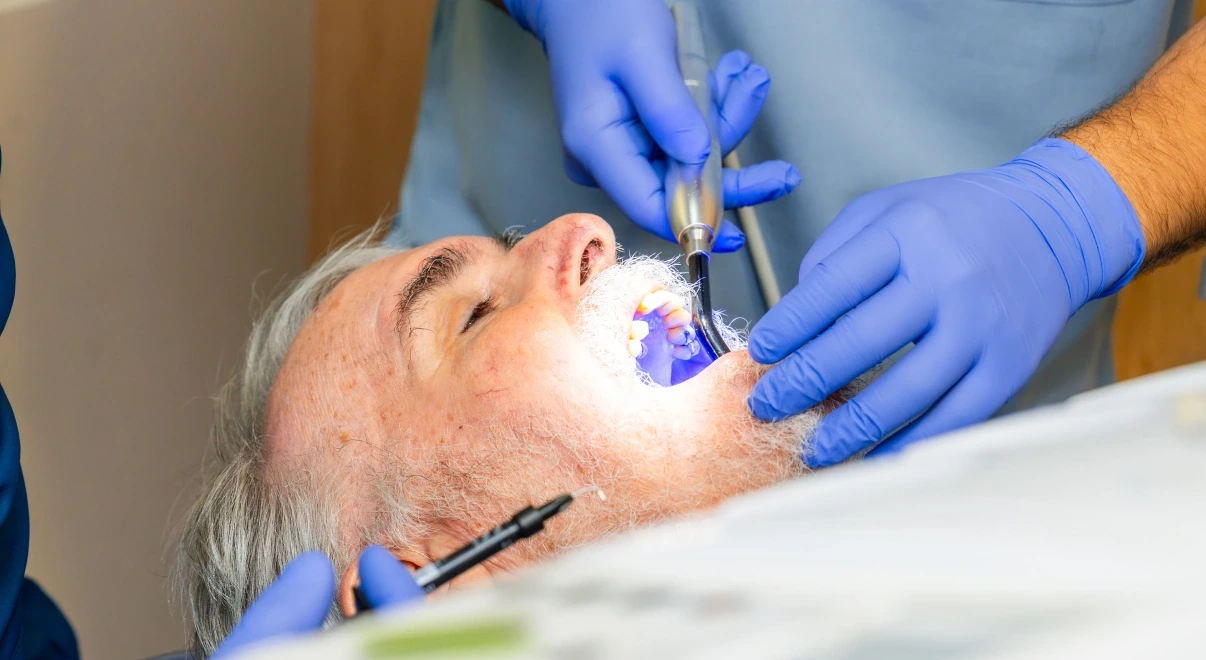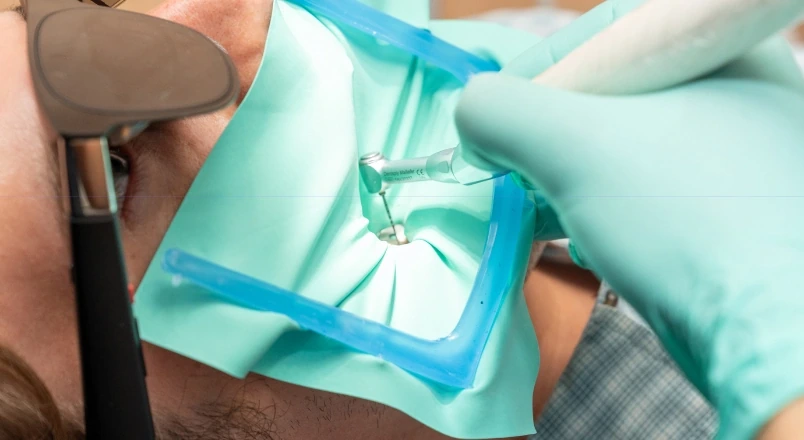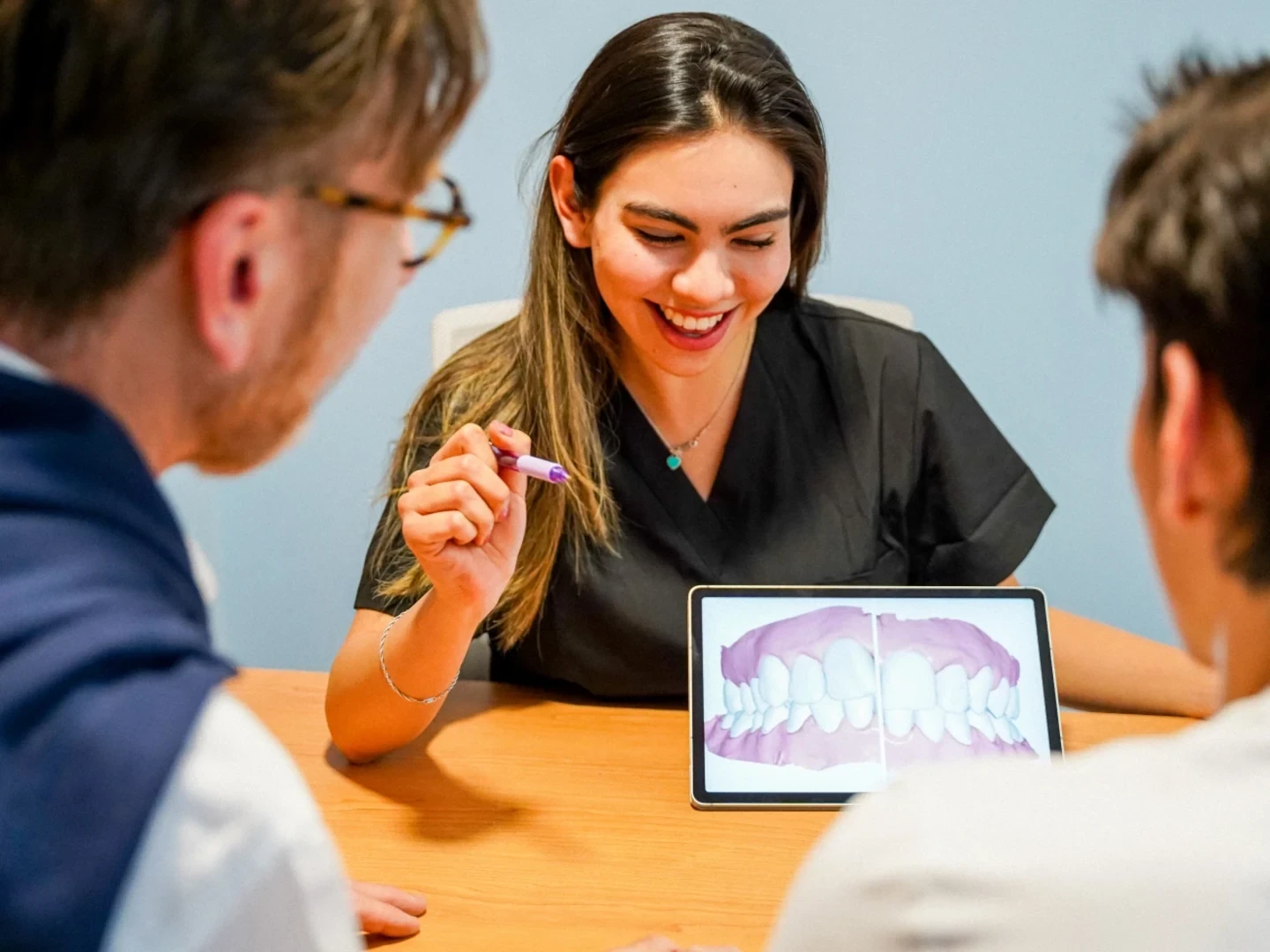




We decide with: tooth exam, bite, remaining structure, cracks, symptoms, old restorations, and X-rays when clinically needed. Photos help planning; they do not replace a clinical diagnosis.
COFEPRIS A.P. 2509152002A00242
Cost and options for dental inlays and onlays
A dental inlay or dental onlay can fit when a molar or premolar needs more support than a filling, but may not need a full crown. The final plan depends on an exam, bite, remaining tooth structure, cracks, symptoms, and X-ray review.
We decide with: tooth exam, bite, remaining structure, cracks, symptoms, old restorations, and X-rays when clinically needed. Photos help planning; they do not replace a clinical diagnosis.
COFEPRIS A.P. 2509152002A00242
Dental inlays and onlays are not simply expensive fillings or small crowns for every tooth. They are a middle option for selected teeth, so the exam matters as much as the material.
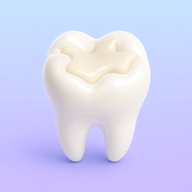
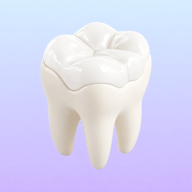
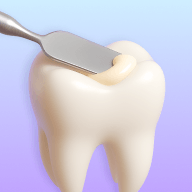
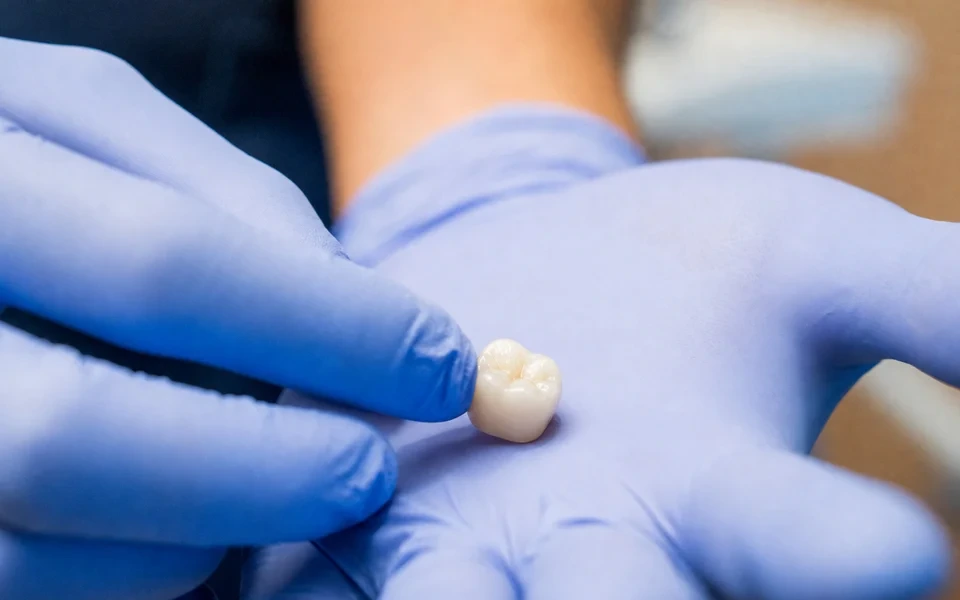
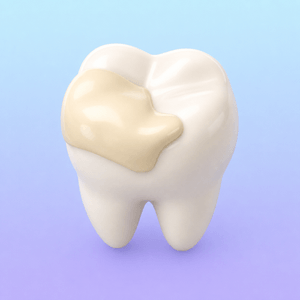
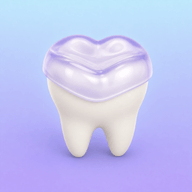
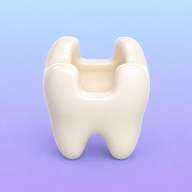
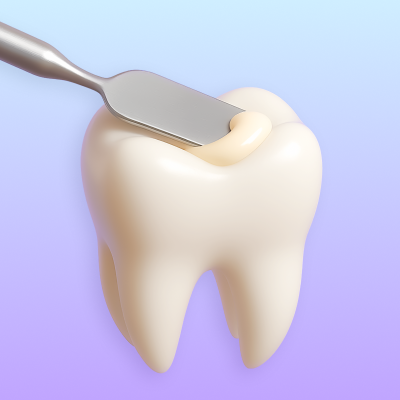
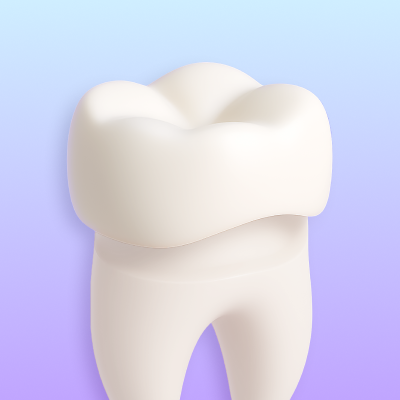
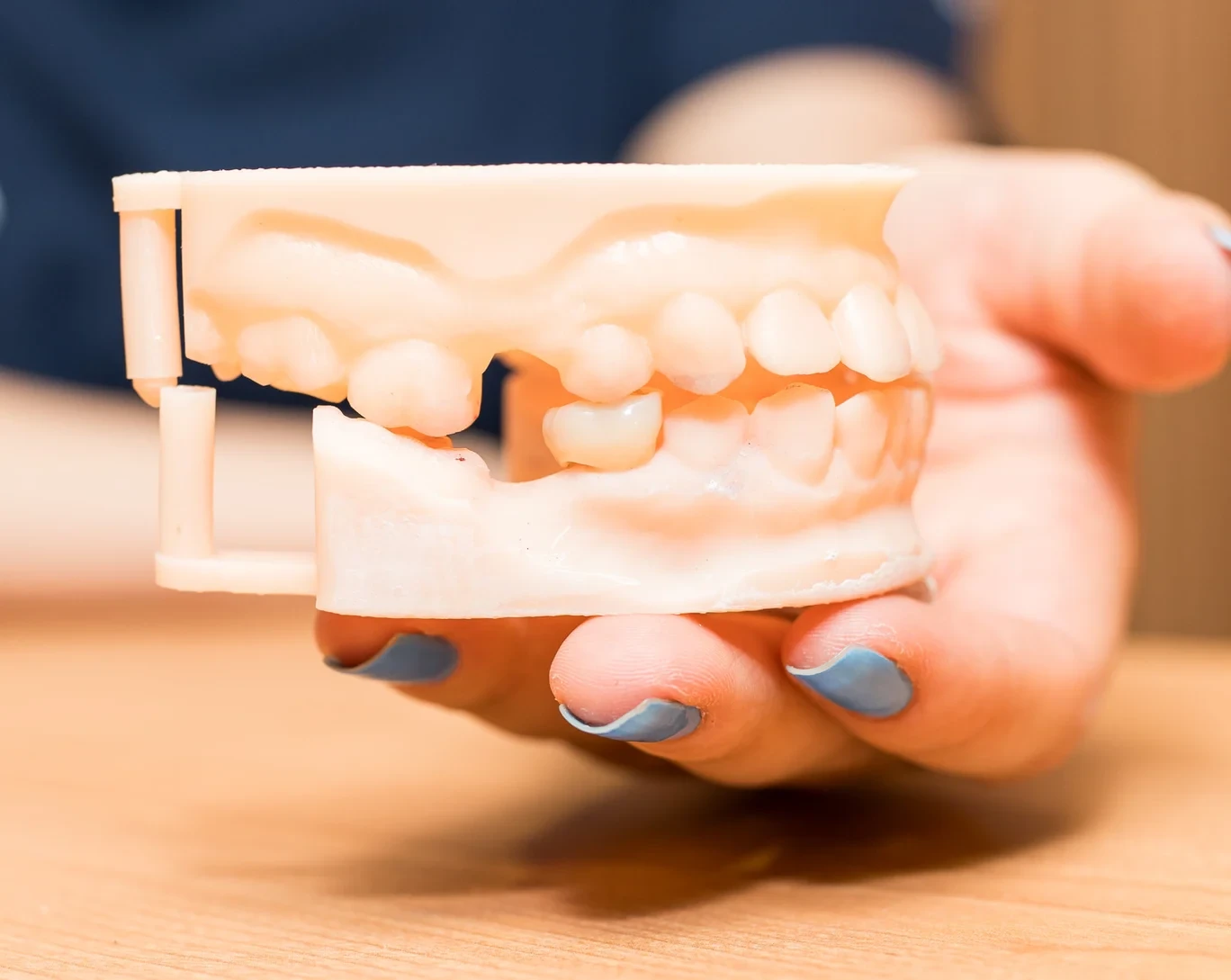
It is a custom restoration for part of a molar or premolar. A dental inlay stays within the cusps; a dental onlay covers one or more cusps when extra support is needed.
Current reference prices are 3,499 MXN for ceromer and 6,999 MXN for zirconia. The final quote depends on the clinical diagnosis.
Material depends on the tooth, bite load, available space, esthetic needs, and prognosis. It is not confirmed from photos alone.
A filling may still be enough when the damage is small and the tooth walls are strong. Compare filling vs crown options .
A crown may be safer when too much tooth is missing, a cusp is fractured, cracks are deeper, or the bite risk is high.
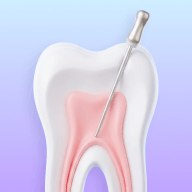
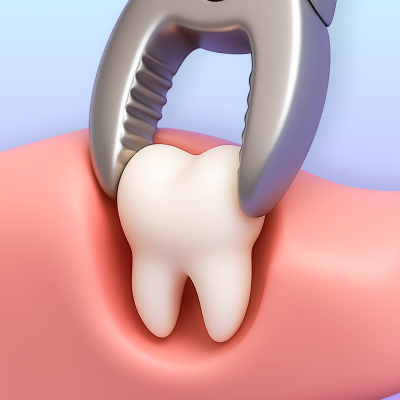
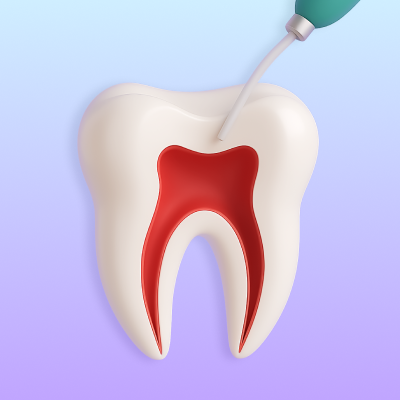
Persistent pain, swelling, bad taste, pus, or sharp pain on biting can mean the nerve needs diagnosis first. See root canal treatment .
COFEPRIS 2509152002A00242 Roma Sur, Cuauhtémoc, CDMX
This quick comparison keeps the decision practical: filling, inlay/onlay, crown, or root canal plus crown. The right option is confirmed clinically, not chosen from a menu. An inlay or onlay usually sits in the middle: more support than a filling, less coverage than a full crown when the tooth allows it.
Direct tooth-colored repair for small cavities or chips when the tooth walls are still strong.
Conservative
Often the simplest option when the damage does not compromise key walls or cusps.
Not always enough
A very large filling can leave the tooth at higher risk of fracture or leakage.
Best for
Contained cavities, preserved edges, mild or no symptoms, and no clear overload from the bite.
Custom indirect restoration for a wider chewing surface or weakened cusp when a full crown is not automatically needed.
Ceromer or zirconia
Ceromer 3,499 MXN; zirconia 6,999 MXN.
Clinical decision
Depends on bite, remaining structure, cracks, symptoms, and X-rays.
Best for
Large old fillings, weakened cusps, or chewing surfaces that need more support than a direct filling.
Full-coverage restoration when the tooth needs broader protection because of missing structure, fractures, or higher failure risk.
More coverage
Can protect better when a partial restoration would leave the tooth too vulnerable.
Not automatic
If enough structure remains, we still check whether a partial option can work.
Best for
Fractured cusps, thin remaining walls, strong bite load, or large restorations that have already failed.
Possible route when pain, deep decay, or infection suggests the nerve must be treated first.
Nerve diagnosis first
An inlay or onlay should not hide an untreated nerve problem.
Final protection
After root canal treatment, many molars need a restoration that protects against fracture.
Best for
Pain that does not settle, prolonged sensitivity, abscess, deep decay, or molars that will be weak after root canal treatment.
We consider a dental inlay or dental onlay when the tooth needs a stronger restoration than a filling, while still preserving healthy structure if a full crown is not necessary.
Situations we check
If removing decay or an old restoration leaves a wide cavity, a direct filling may not give enough support.
A dental onlay may cover and reinforce part of the chewing surface when the fracture does not require full coverage.
Back teeth take more chewing force, so a tooth inlay or tooth onlay may enter the discussion when a large filling would be less predictable.
If the damage is small and the tooth still has good support, choosing an inlay or onlay too early can be more treatment than the tooth needs.
We check whether these conditions fit
A limited cavity or chip may be restored with composite if the edges and walls remain firm.
If there is no persistent pain, swelling, or prolonged sensitivity, the plan may stay with a direct restoration.
Clenching, grinding, or biting directly on the repair can make a large filling less reliable.
An inlay or onlay should not be used to patch a tooth that has too little support or signs that the nerve is involved. In those cases, another plan may protect the tooth better.
Crown before inlay/onlay
If walls are very thin or an important cusp is missing, a crown can distribute force more predictably.
Deep cracks, pain on biting, or fractures extending toward the gum can change the prognosis.
Root canal first
If the nerve is affected, we diagnose and treat that cause before choosing the final restoration.
These signs can suggest infection. The restoration is planned after the tooth is stabilized.
These are current MXN reference prices for ceromer and zirconia inlay/onlay options. Patients often search for a ceramic inlay or ceramic onlay; the visible options on this page are ceromer and zirconia only, and the final quote is confirmed after the exam.
A ceromer inlay / onlay costs 3,499 MXN. It may be considered when the tooth needs more support than a direct filling and the case allows an indirect restoration for moderate bite load.
Material is not confirmed from photos alone. The exam reviews remaining structure, margins, bite, symptoms, and X-rays when indicated.
A good recommendation does not come from a photo alone. Small clinical details can change the prognosis and the treatment choice.
We check walls, cusps, margins, old restorations, and whether the base can support an inlay or onlay without leaving the tooth weak.
Clenching, grinding, or heavy bite force on the area can shift the plan toward a stronger restoration or another treatment.
Spontaneous pain, prolonged sensitivity, pain on biting, swelling, or pus can change the first step before choosing the final restoration.
Images help review deep decay, old restorations, closeness to the nerve, roots, visible cracks, and signs of infection.
If an inlay or onlay is reasonable, or if another step is needed first, we explain why and confirm the MXN quote before starting.
If you are comparing a dental inlay Mexico City visit or a dental onlay Mexico City visit, sending context before the appointment helps us prepare. The final plan is still confirmed in the chair.
Before booking
Pain on biting, sensitivity, a recent fracture, a lost filling, or a previous quote can change how soon the tooth should be checked.
Useful photos
A close photo of the tooth, one bite photo, and a wider view can help planning. A photo alone does not decide whether an inlay or onlay is correct.
Natural light helps
If you already have them
A recent X-ray may help estimate deep decay, closeness to the nerve, old restoration size, or infection signs, but a new image may still be needed.
Not required if unavailable
Travel planning
If you are visiting, tell us your arrival and departure dates. Inlays and onlays often need planning and clinical confirmation before any treatment timing is reliable.
These are clinic-wide reviews, not only inlay/onlay cases. They matter here because this decision needs clear explanation, honest diagnosis, and an understood quote before treatment starts.
An inlay/onlay decision can look like a material choice, but it really combines restorative dentistry, bite, symptoms, gum health, and sometimes root canal diagnosis.
Registered nurse and patient experience lead helping with messages, scheduling, and follow-up.
Restorative and prosthetic planning for deciding when a molar can still be conserved with an inlay/onlay and when it needs more protection.
Reviews decay, old restorations, remaining tooth structure, and bite to decide whether an inlay/onlay conserves without leaving the tooth weak.
Restorative dentist focused on explaining materials, the limits of large fillings, and when an inlay/onlay may have a better prognosis.
Supports cases where pain, deep decay, or infection signs change the plan toward root canal diagnosis before restoration.
Reviews gums, margins, isolation, and maintenance factors that influence how an indirect restoration can perform over time.
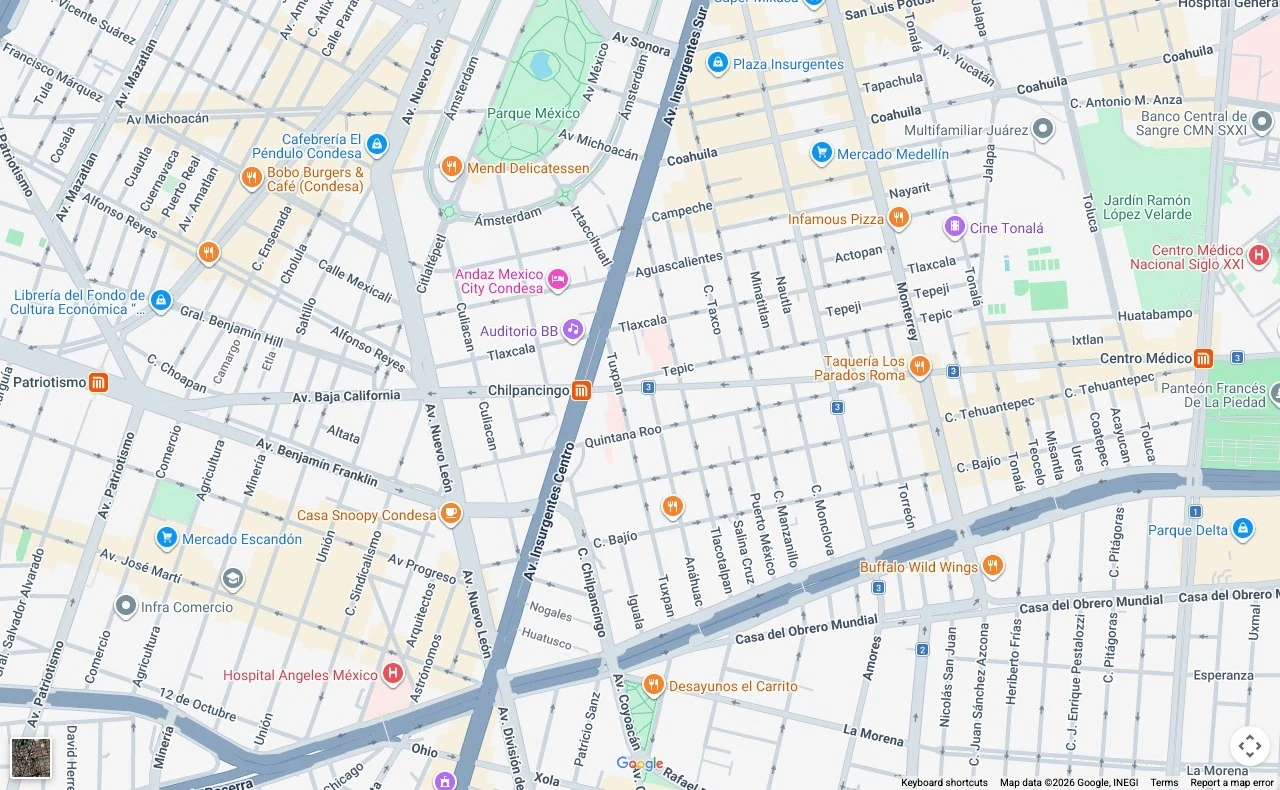
hisonrisa is in Roma Sur, near Condesa, Roma Norte, Narvarte, and Metro Chilpancingo. Bring or send photos, recent X-rays, or a previous quote so we can review whether an inlay/onlay is reasonable or another step should come first.
Tepic 139-706, Roma Sur, Cuauhtémoc, 06760 Ciudad de México, CDMX
5–10 minutes by car via Av. Insurgentes Sur; Metro Chilpancingo is one stop away.
Open in Google Maps6–12 minutes by car, or a 15–18 min walk down Medellín toward Roma Sur.
Open in Google Maps10–20 minutes by car via Av. Cuauhtémoc; Metro Etiopía → Chilpancingo in ~12–15 min.
Open in Google Maps~15–45 minutes by car (traffic-dependent). Easy Uber from Terminals 1 & 2.
Open in Google MapsThese answers help you prepare, but the final recommendation depends on the exam, bite, remaining tooth structure, cracks, symptoms, and X-ray review.
At hisonrisa, ceromer inlay / onlay is 3,499 MXN and zirconia inlay / onlay is 6,999 MXN. The final quote can change if X-rays, buildup, root canal treatment, a crown, or urgent care are needed.
A dental inlay restores the area inside the tooth cusps. A dental onlay extends over one or more cusps when that part of the chewing surface needs protection. The dentist decides after checking bite, structure, cracks, and symptoms.
An onlay covers part of the tooth, often one or more cusps. A crown covers the full visible tooth. An onlay can conserve more tooth when enough structure remains; a crown may be safer when the tooth is more weakened.
Not always. In dental onlay vs filling decisions, a filling may be better for small damage, while an onlay may be considered for a larger chewing surface, weak cusp, or repair that would leave a filling too vulnerable.
Many patients use ceramic inlay or ceramic onlay as broad material language. On this page, the approved visible reference options are ceromer and zirconia only. The material is selected after evaluating the tooth, bite, space, esthetics, and prognosis.
A zirconia inlay or zirconia onlay may be discussed for selected posterior teeth where bite load and strength are important. It is not automatically the best material for every case, and sometimes a crown is still safer.
Photos and recent X-rays can help us plan the appointment, but they do not confirm the final diagnosis. We still need to examine the tooth, bite, symptoms, cracks, and indicated X-rays clinically.
Only if the nerve is affected or infection signs are present. Persistent pain, prolonged sensitivity, swelling, pus, or a gum bump can shift the plan toward root canal diagnosis before choosing the final restoration.