

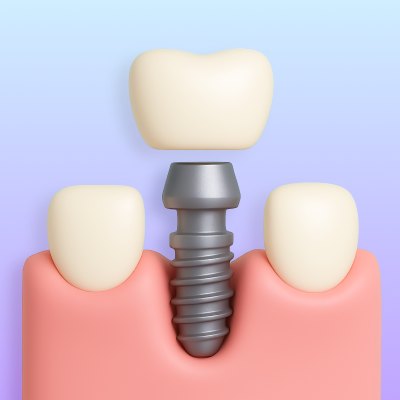
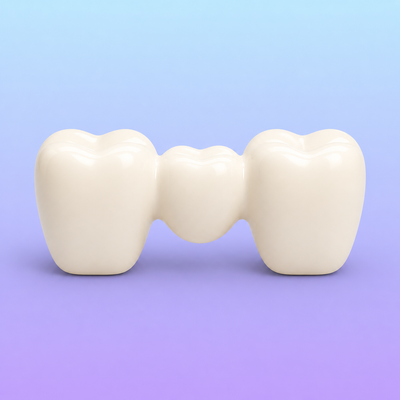






You can whiten your natural teeth when you have crowns, but an existing crown will not predictably lighten in the same way. If the surrounding teeth become brighter, the crown may look darker by comparison. That difference does not automatically mean the crown has failed or needs to be replaced.
If you are planning whitening in Mexico City, an evaluation that includes your visible crowns can help you understand that mismatch risk.
What whitening can change
| What you are looking at | What whitening may change | What an evaluation may clarify |
|---|---|---|
| Natural teeth | Their color may become lighter | Starting shade, likely response, and whether whitening is appropriate |
| An existing crown | Its fabricated shade will not predictably lighten like natural tooth structure | Whether the crown remains clinically acceptable next to the new tooth shade |
| Surface buildup or discoloration | Bleaching is not the same as removing deposits or superficial stain | Whether professional cleaning or material-appropriate surface care may help |
| A visible mismatch | The difference may become more noticeable as natural teeth lighten | Whether to observe, reassess, manage the surface, or discuss restorative options |
This matters most with a front crown. Even a modest change in the neighboring teeth can make it more noticeable.

Why natural teeth and crowns respond differently
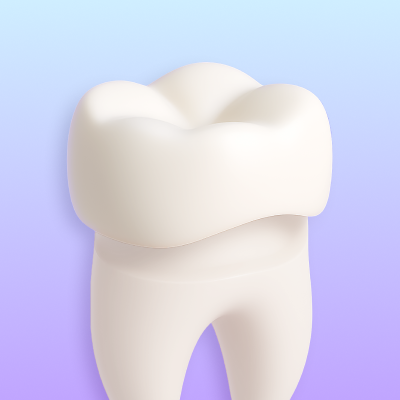
Peroxide-based whitening changes color molecules within natural tooth structure. A crown is a manufactured restoration whose shade was selected when it was made. Whitening gel does not predictably lighten that fabricated shade to a new color in the way it can lighten enamel and dentin.
Laboratory studies can measure material-dependent surface or optical changes. That is not the same as useful clinical whitening, and it does not give patients a predictable way to bleach a crown lighter.
Surface discoloration is different from the crown’s shade
Plaque, deposits, or superficial discoloration can make a crown look duller without changing the shade built into it.
Professional cleaning or material-appropriate polishing may improve some surface discoloration in selected situations, but that result cannot be promised and it does not bleach the crown itself. A dentist first needs to consider the restoration’s material and condition rather than treating it like natural enamel.

What to do if your crown looks darker
A crown may look darker because the surrounding teeth became lighter. Before assuming it needs to be remade, work through four questions.
- How much does the difference bother you? A small mismatch may show only in certain lighting or at close range. If an evaluation finds the crown clinically acceptable and you are comfortable with its appearance, you may decide not to change it.
- Could something on the surface be contributing? A dentist can look for buildup or superficial discoloration instead of treating every color difference as a problem with the crown itself.
- Has the surrounding tooth color settled? Tooth color can continue to shift after whitening, and temporarily dehydrated teeth can look lighter than they do once hydrated again.
- Is the crown clinically sound? Shade is only one part of the decision. A dentist also considers the margins, the tooth underneath, the gums, the bite, visible damage, and your goals.
If the difference remains noticeable and important to you, a remake in a better-matched shade may be one option after evaluation. It is not an automatic consequence of whitening. A dental crown evaluation in Mexico City can address the restoration itself without assuming in advance that replacement is the answer.
Whitening before a new visible crown
If you already know that you want whiter teeth and also need a new crown that will show when you smile, discuss both plans before the final crown shade is selected. In an appropriate case, a dentist may coordinate whitening first and reassess the tooth color before finalizing the visible restoration.
A crown made to match your current teeth may not blend as well if you whiten those teeth soon afterward. This is especially relevant for a single front crown surrounded by natural teeth.
Whitening first is not a universal rule. The health of the tooth, the reason for the crown, the whitening method, the restorative plan, and the timing of any adhesive step can all affect the order.
Why there is no single waiting period
You may see advice to wait a fixed number of days or weeks after whitening before choosing a crown shade. The evidence does not support one interval for every patient and every restorative procedure.
Several different issues are often compressed into that one rule. Natural-tooth color may shift after the final whitening application. Teeth can also look temporarily lighter when they are dehydrated during an appointment. Separately, recent peroxide exposure can matter when an adhesive restorative step is planned.
Your dentist should plan timing around the whitening method and the restorative step involved.
What an examination and photos can tell you
An in-person examination can do more than compare colors. It allows the dentist to look at the crown margins, surrounding gums, bite, visible wear or damage, and the condition of the tooth. If imaging is relevant, the decision should be based on your history, clinical findings, disease risk, and useful previous images rather than taken routinely for every cosmetic mismatch.
Photographs are still useful. Clear smile and close-up images can show where a crown sits in the smile and its approximate relationship to nearby teeth. They can also help explain what changed after whitening.
However, phone photographs are affected by lighting, exposure, camera processing, screen settings, and tooth hydration. They cannot confirm the exact crown material or final shade. They also cannot show decay under a restoration, verify every margin, evaluate the bite, establish gum health, or determine whether replacement is necessary.

What to send before traveling to Mexico City
Before traveling, send clear smile and close-up photographs, recent X-rays or scans if available, relevant treatment records and health history, and possible travel dates.
This information can support preliminary planning, but it cannot finalize diagnosis, whitening suitability, crown condition, timing, or the treatment plan remotely.
Do not try to force the crown lighter at home
Using stronger peroxide or repeating whitening more often will not make the crown predictably follow the natural teeth. It may continue changing the surrounding teeth and can increase sensitivity or gum irritation.
Acidic household mixtures, charcoal, and aggressive abrasives are not reliable ways to change a crown’s shade. The available evidence does not support using them for that purpose. The useful next step is to identify whether the issue is natural-tooth color, superficial buildup, or the crown’s fabricated shade.
Questions about whitening teeth with crowns
Can a dental crown be whitened?
Not in the same predictable way as a natural tooth. Whitening may lighten the teeth around the crown, but it does not let you bleach the crown’s manufactured shade to a chosen lighter color. Surface buildup or discoloration is a separate issue that a dentist can assess.
Should teeth whitening happen before a new crown?
Discuss whitening before the final shade of a visible crown is selected. When whitening is already part of the plan, a dentist may coordinate it before final shade matching and allow time for reassessment. The exact order and timing depend on the tooth, whitening method, and restorative procedure.
Does a mismatched crown have to be replaced after whitening?
No. First consider whether the difference matters to you, whether superficial discoloration contributes, and whether the crown is otherwise clinically acceptable. Replacement may be an option for a persistent visible mismatch, but it should follow evaluation rather than happen automatically.
Can a dentist tell from photos whether the crown will match?
Photos can show the general color relationship and which restorations are visible when you smile. They cannot establish an exact final shade, diagnose the crown margins or underlying tooth, evaluate the bite, or confirm that a crown needs replacement.
What should I send before booking if I am traveling to Mexico City?
Send clear smile and close-up photos, recent X-rays or scans if available, previous treatment records, relevant health and dental history, and possible travel dates. These materials help provide context, but a final recommendation still depends on an examination and any imaging the dentist considers necessary.
Plan whitening around existing restorations
To plan teeth whitening around existing crowns, contact hisonrisa in Roma Sur with your questions, smile photos, and travel dates.
This article provides general dental information. It does not replace a dental evaluation, diagnosis, or imaging and restorative review when a dentist considers them necessary.