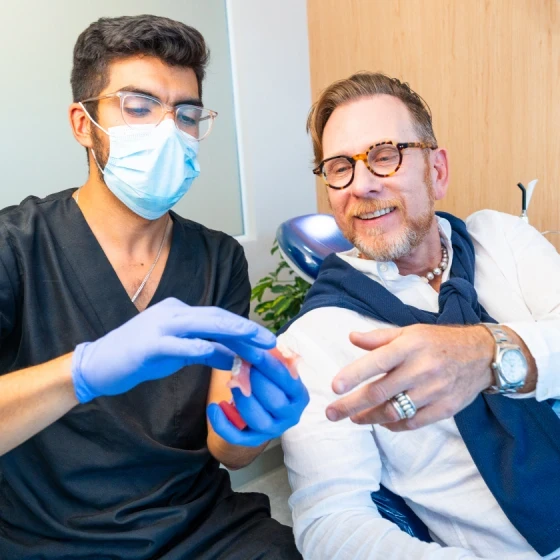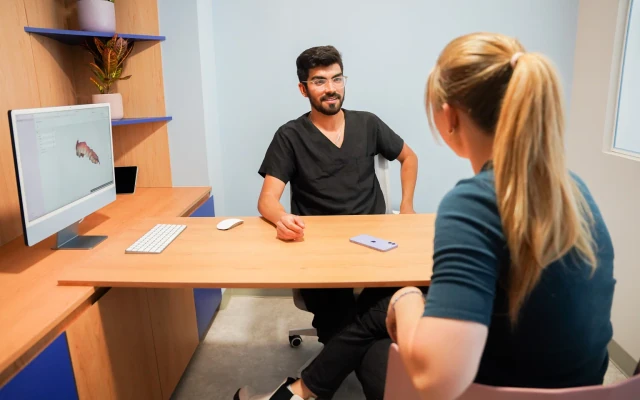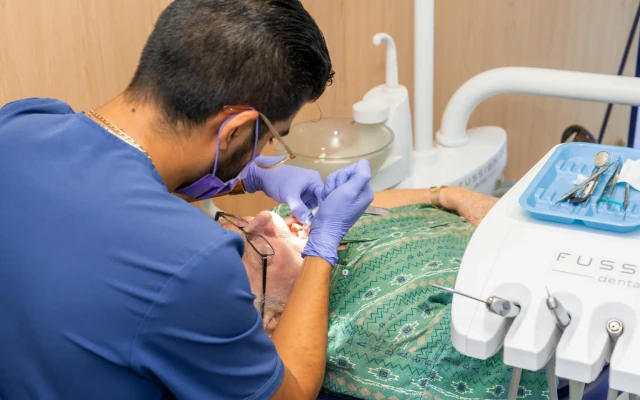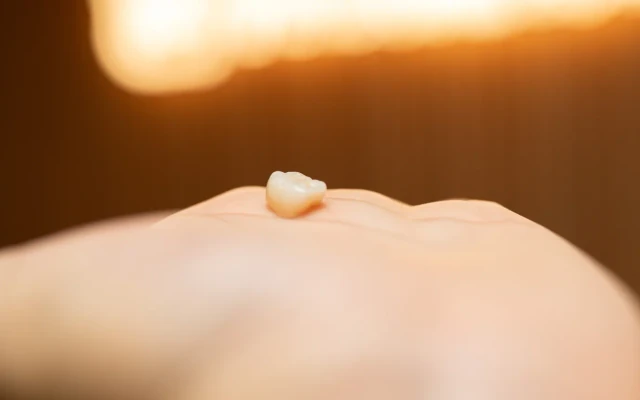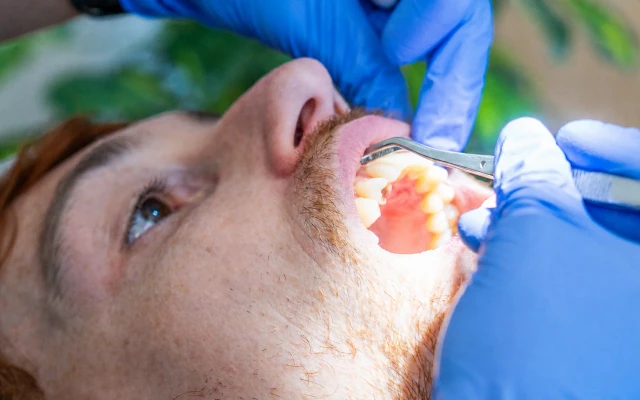



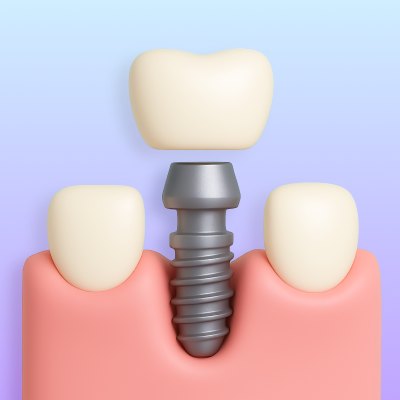
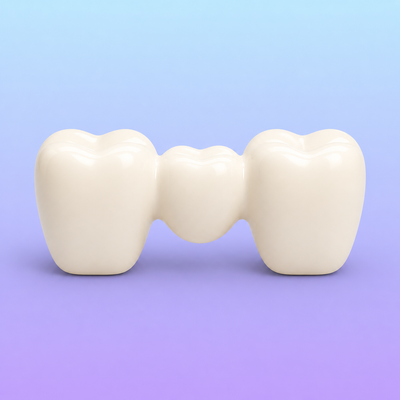







How long does a dental crown take in Mexico City? At hisonrisa, a standard lab-made crown is usually planned across two visits over about four to five days. A selected same-day external-lab case may be completed in one day, but only after an exam and schedule or lab confirmation. Root canal needs, several crowns, an old failing crown, or a tight departure date can all add time.
Before you build treatment around a flight, plan a dental crown evaluation in Mexico City and share your arrival and departure dates. That gives the dentist a clearer way to tell you what is realistic for your case.
How long does a dental crown usually take?
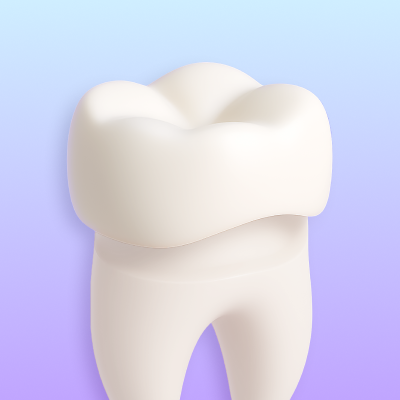
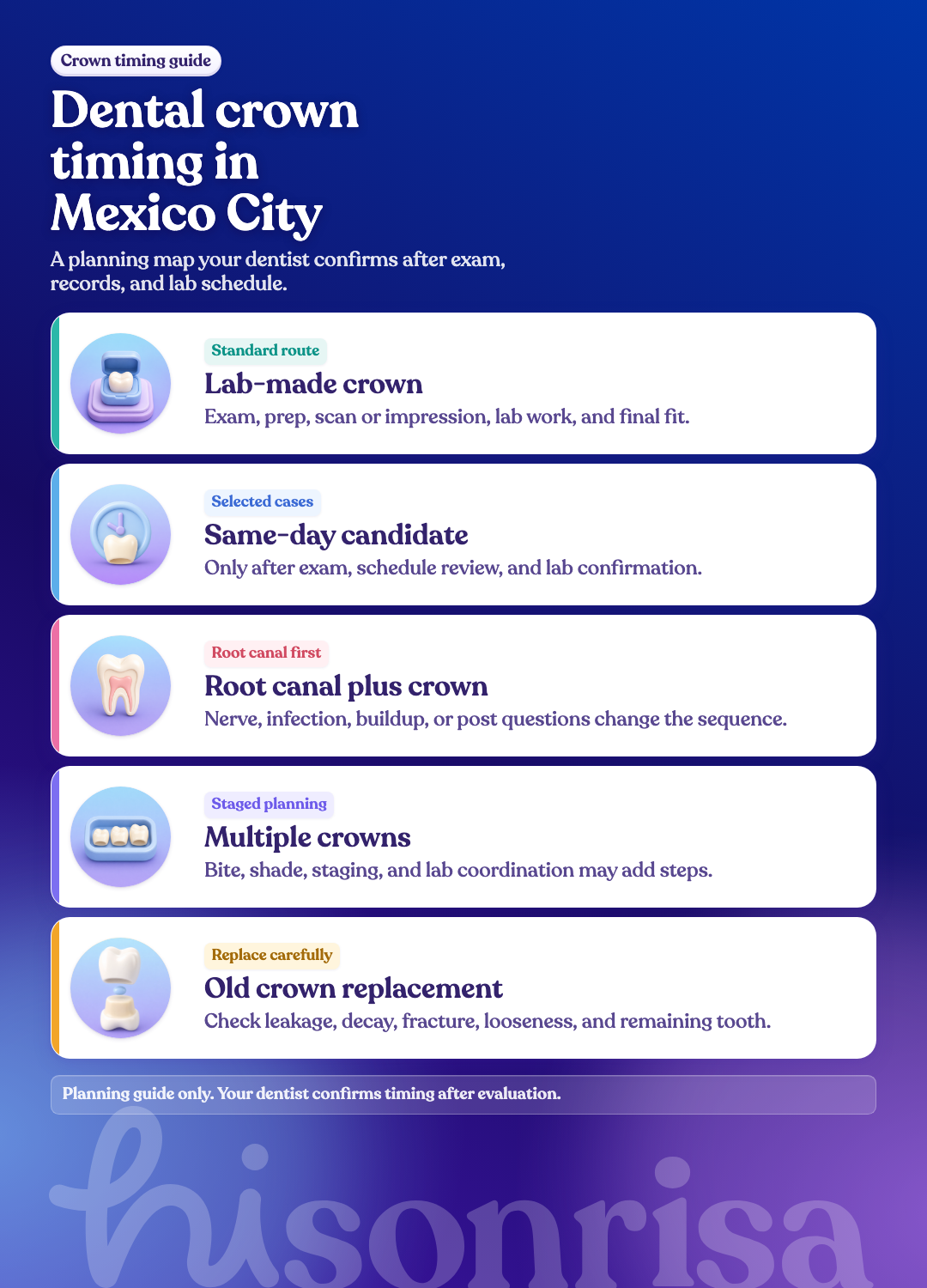
Standard lab-made crown: usually two visits over about four to five days. The first includes preparation and a scan or impression, with a temporary crown when needed. The second is for final fit, bite adjustment, and cementation. Lab timing, gum condition, sensitivity, or the need to refine the fit can add time.
Selected same-day external-lab case: may be completed in one day when a single stable tooth qualifies after exam, schedule review, and lab/workflow confirmation. Tooth condition, material choice, esthetic needs, lab availability, or finding that the case is not a same-day fit can add time.
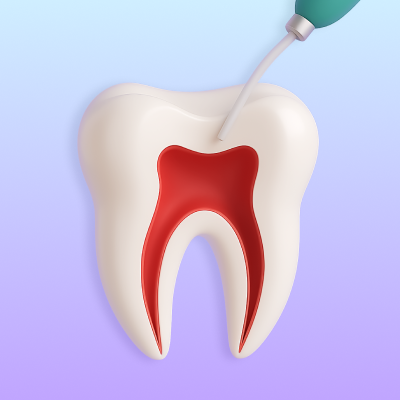
Root canal plus crown: the nerve or infection question usually needs to be handled before the final crown plan. Root canal treatment, retreatment, buildup, post, healing, or restorability concerns can add time.
Multiple crowns: more teeth means more planning for bite, shade, esthetics, and sequence. Several appointments, staged treatment, lab coordination, or changes after bite analysis can add time.
Replacing an old crown: the dentist needs to check why the crown is being replaced before estimating timing. Decay, leakage, fracture, pain, a loose crown, root canal history, or limited remaining tooth structure can add time.
Use this guide as a planning map, not as a fixed schedule. Your actual crown timeline depends on diagnosis, imaging, bite, remaining tooth structure, lab availability, and how much can be confirmed before you arrive.
What happens during a standard crown workflow?
A standard crown workflow is more than the appointment when the final crown is placed. First, the dentist checks whether a crown is the right restoration. That may include symptoms, bite, previous dental work, remaining tooth structure, and imaging when needed.
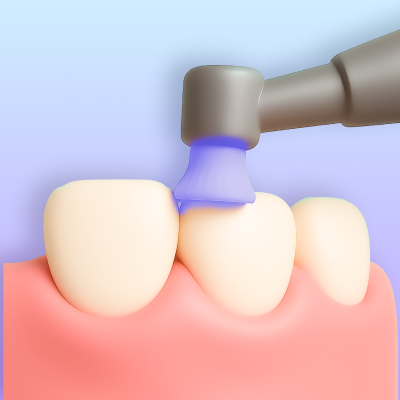
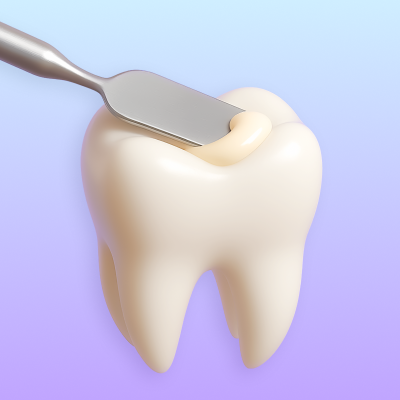
If a crown is appropriate, the tooth is prepared so the restoration can fit over it. The dentist then captures a scan or impression and places a temporary crown when the tooth needs protection while the final crown is made. The separate temporary crown care guide explains what to protect and what to do if it loosens before the final visit.
The final visit is for fit, color, margins, bite, adjustments, and cementation. Patients sometimes think this last step is the whole crown process, but the full timeline includes diagnosis, preparation, lab work, and any needed corrections before the crown is permanently seated.
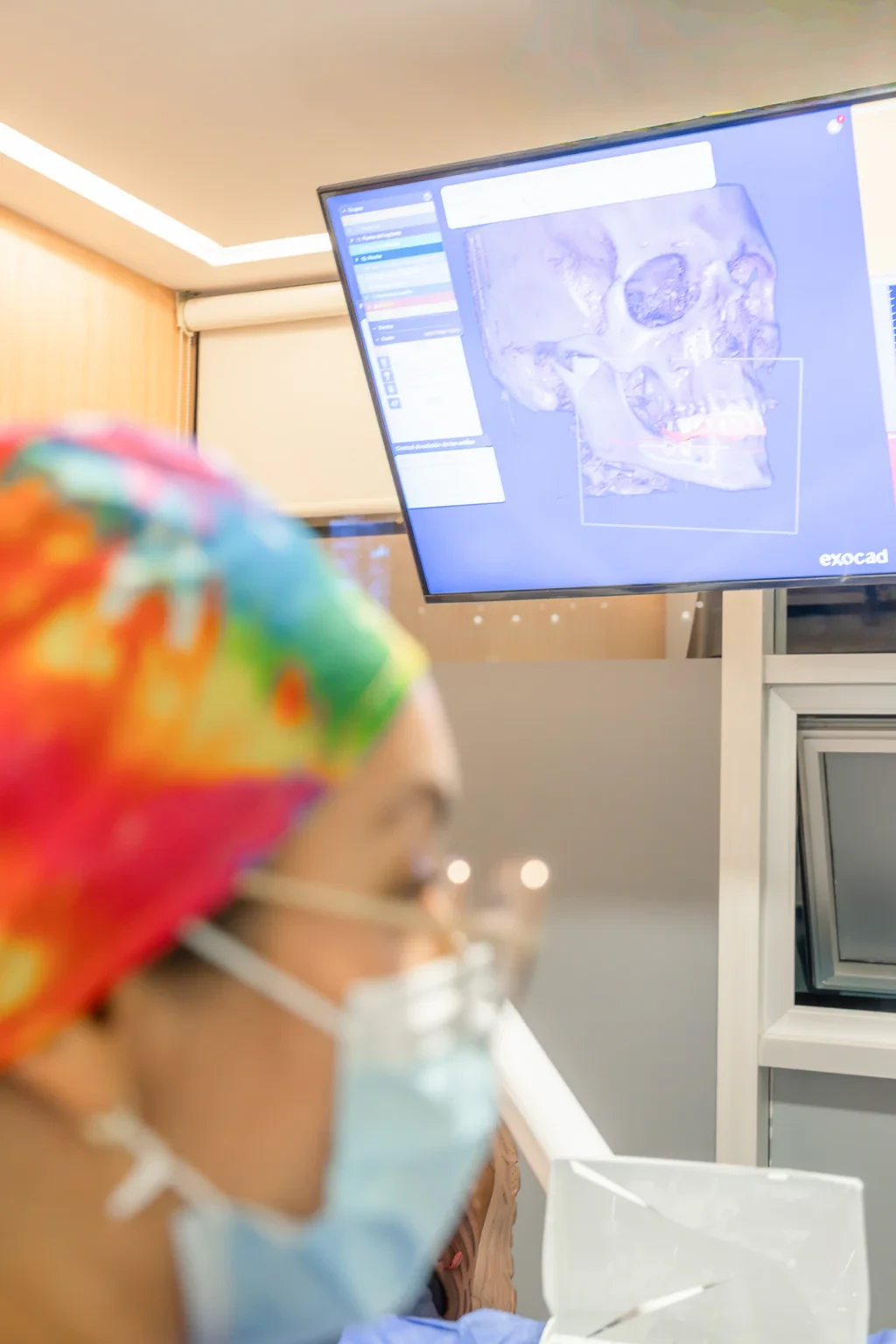
Can a crown be done the same day in Mexico City?
Sometimes, but only in selected cases. A same-day external-lab crown may be possible when the tooth is stable, the schedule allows it, the lab or workflow can support it, and the dentist confirms that moving quickly would not compromise fit, bite, or diagnosis.
That is different from assuming every crown can be finished in one visit. If your trip is short, the better question is: “Does my tooth qualify after an exam?”
If same-day timing matters, review selected same-day crown options in Mexico City, then ask hisonrisa what records or X-rays to send before your appointment. Same-day should be a confirmed option, not the starting assumption.
What can make crown treatment faster?
Crown timing is usually simpler when the case is straightforward: one tooth, enough remaining structure, no active infection concern, no unresolved root canal question, and a clear plan.
Records can help too. Recent X-rays, a previous treatment plan, clear photos, or notes from another dentist may make the first conversation more useful. They do not replace an exam, but they can help the clinic prepare before you commit to flights or hotel dates.
Timing within the trip also matters. An early appointment gives more room for diagnosis, lab coordination, bite adjustment, and unexpected changes. A visit near the end of your stay leaves less margin if the tooth needs more than a simple crown.
What can add time?
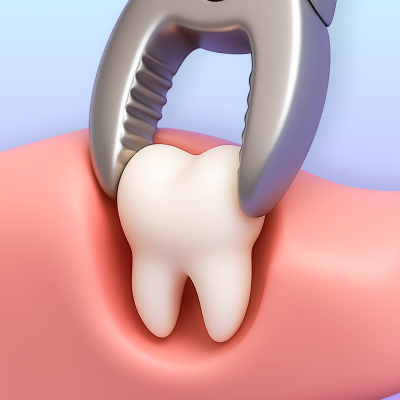
The most common reason timing changes is that the tooth needs something before the crown can be finalized. Pain, infection signs, a deep cavity, a cracked tooth, a failed old crown, or a previous root canal problem can all change the sequence.
If nerve treatment may be involved, start with root canal and crown planning. A root canal question does not mean the tooth cannot be restored, but it often means the crown needs a more careful sequence than a simple appointment count.
Several teeth can also add complexity. If you may need more than one crown, the dentist may need to plan bite, shade, smile symmetry, and staging across the whole case. For that situation, planning several dental crowns in Mexico City is more useful than applying a single-crown timeline to a larger plan.
Replacing an old crown is another timing variable. A loose, leaking, painful, cracked, or fallen crown may be simple, or it may reveal decay, fracture, bite issues, or limited tooth structure underneath. The guide to old dental crown replacement in Mexico City explains the possible paths after that evaluation. The timeline depends on what the dentist finds after evaluating the old restoration.
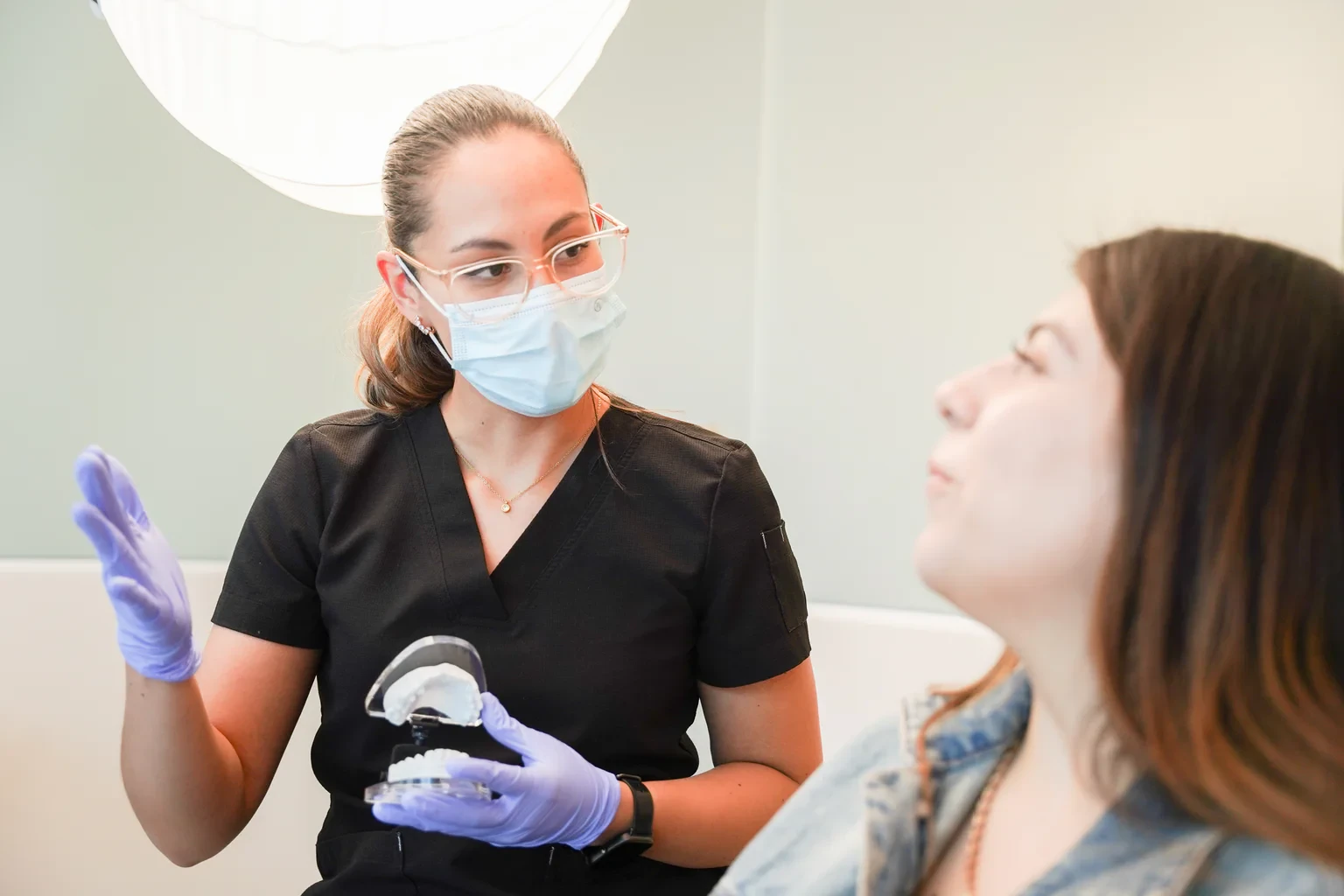
How should you plan around a flight?
Your departure date matters because crown treatment is not only chair time. The plan may need lab time, fit verification, bite adjustment, or a different sequence if the tooth needs root canal treatment, buildup, or more diagnostic work.
If you can avoid it, do not make a same-night flight your only margin after crown treatment. That does not mean flying is automatically unsafe for everyone after a crown. It means a tight departure gives you less room if the bite feels high, the temporary needs attention, the final crown needs adjustment, or the diagnosis changes.
Before booking around a crown visit, tell the clinic:
- Your arrival date.
- Your departure date.
- Which tooth is involved, if you know.
- Whether you have pain, swelling, sensitivity, or a loose crown.
- Whether you already have a temporary crown.
- Whether a root canal has already been done or recommended.
- How many crowns you are considering.
- Whether you have recent X-rays, scans, photos, or a treatment plan.
- Any medication, allergy, or medical detail the clinic asks you to share.
The goal is not to diagnose over messages. It is to make your first visit in Roma Sur more useful and avoid building a travel plan around assumptions.
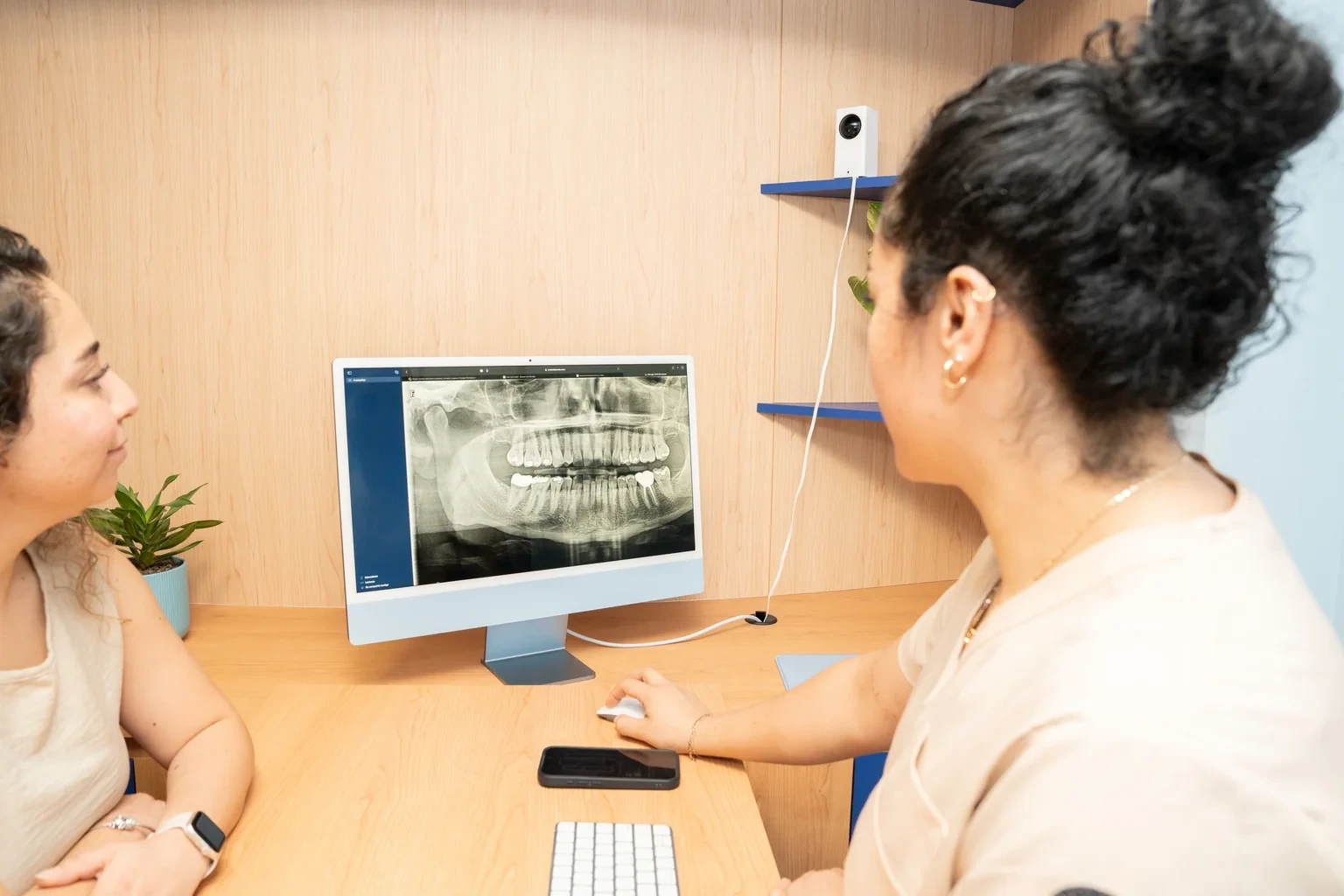
What about cost?
Patients often ask about time and price together, but this timing guide should not become a price table. The cost of a crown can change depending on diagnosis, material, buildup, post, root canal needs, emergency care, or whether several crowns are involved. Timing can change for the same reasons.
For price planning, use the dedicated guide to current dental crown cost in Mexico City. Then bring both questions to the evaluation: what does my case need, and what timeline should I plan around?
FAQs about dental crown timing in Mexico City
How long does a dental crown appointment take?
It depends on the visit. An exam, preparation appointment, scan or impression, temporary crown, final fit, bite adjustment, and cementation do not all take the same amount of time. Ask for a case-specific estimate when you schedule, especially if you are planning around travel.
Can I get a dental crown the same day in Mexico City?
Possibly. When a case qualifies, a same-day external-lab crown may be completed in one day, but only after exam and schedule or lab confirmation. It should not be treated as available for every tooth before the dentist checks the tooth, bite, diagnosis, and workflow.
Can I fly after getting a dental crown?
Many patients travel around dental care, but flight timing should be individualized. Ask before booking a departure close to treatment, especially if the tooth had pain, infection concerns, a temporary crown, root canal treatment, or several restorations.
Should I avoid a same-night flight after crown treatment?
If you can, leave a buffer instead of making a same-night flight your only option. That gives time for fit checks, bite adjustments, sensitivity questions, or plan changes. It is not a universal flight ban; it is practical scheduling advice.
How many appointments does a dental crown take?
A standard lab-made crown usually takes two visits over about four to five days: exam, preparation and scan or impression, a temporary crown when needed, and a later final fitting. A selected same-day case may be different, but it needs confirmation first.
How long does it take to put on the final crown?
The final crown visit focuses on fit, margins, bite, adjustments, and cementation. It may be shorter than the preparation visit, but the exact timing depends on the case and whether adjustments are needed.
Can I eat after the crown is cemented?
Follow your dentist’s instructions. In general, be careful while you are numb and avoid hard or sticky foods until you know how the crown feels and what your dentist recommends for your specific case. For more details, review dental crown aftercare.
Does a root canal have to happen before the crown?
Not every crown needs a root canal. If the nerve, infection, or previous root canal is part of the diagnosis, the sequence can change. That is why root canal questions should be handled before setting a crown timeline.
Plan your crown timing before you travel
If you are coordinating work, lodging, or flights around dental care, the most useful next step is to request case-specific crown timing guidance. Send your arrival date, departure date, symptoms, tooth location, recent records if available, and whether you already have an old crown, temporary crown, or root canal recommendation.
Educational note: this article is general guidance for planning dental crown timing in Mexico City. It does not replace dental evaluation, diagnosis, imaging, or review by a dentist.