









A routine dental cleaning and a deep cleaning are not the same appointment. They can sound similar because both remove plaque and tartar, but they are used for different clinical situations.
A routine cleaning is preventive. A deep cleaning, also called scaling and root planing, treats gum disease below the gumline. The right choice depends on a dental exam, gum measurements, bleeding, bone levels, and whether tartar is above or below the gums. Deep cleaning is not just a “stronger cleaning”; it is periodontal treatment for pockets below the gumline when gum disease is present.
Introduction: understanding the difference
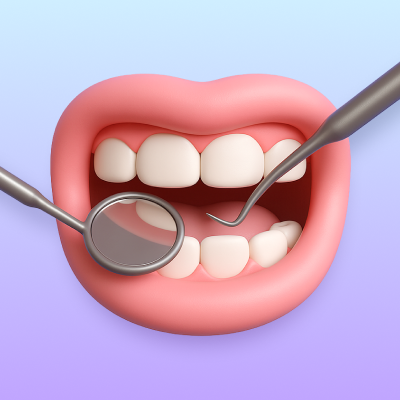
Routine prophylaxis removes plaque, tartar, and stains from visible tooth surfaces and around the gumline. It is usually appropriate when the gums are stable enough for preventive care.
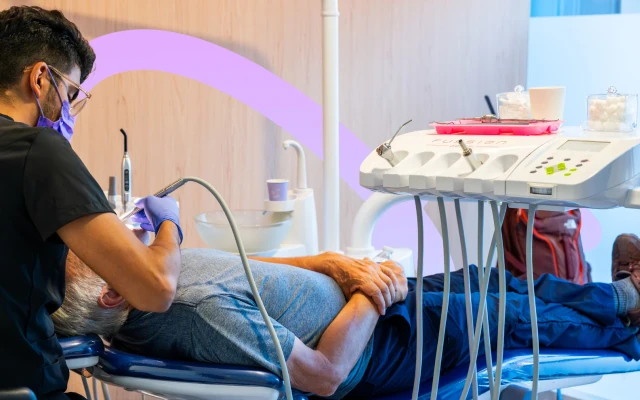
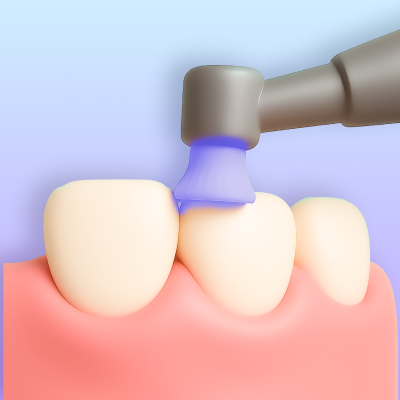
Deep cleaning treats periodontal pockets under the gumline. It may be recommended when gum disease has created spaces where bacteria and tartar collect below the gums. It may require local anesthesia when needed, more time, and follow-up to check healing.
What is a regular dental cleaning?
Purpose and procedure
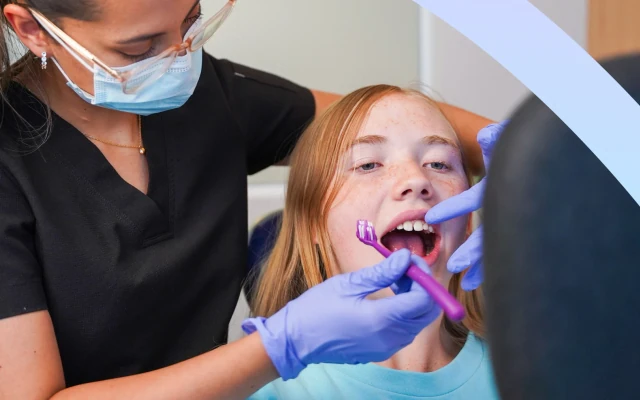
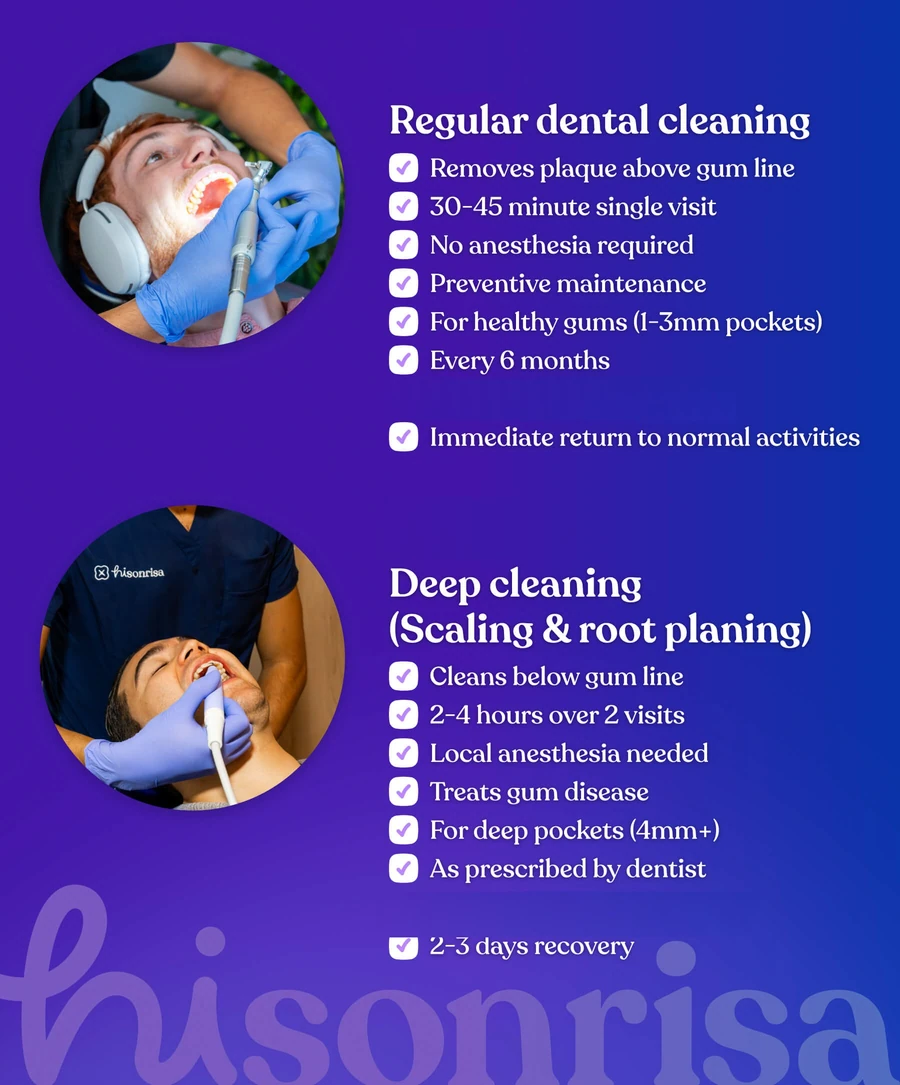
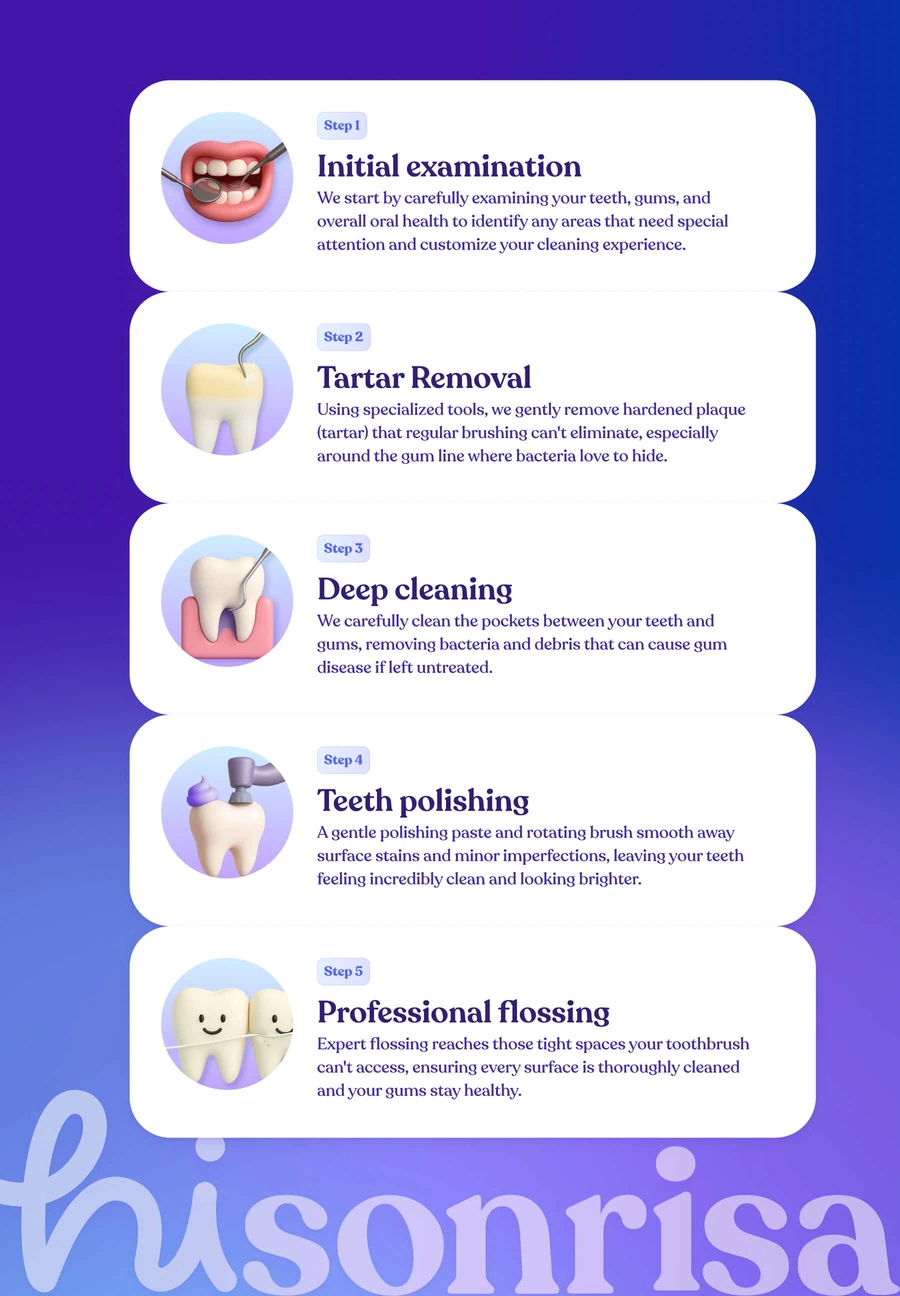
A regular cleaning removes plaque, tartar, and stains from the tooth surfaces and around the gumline. It may include ultrasonic scaling, hand scaling, polish, flossing, and home-care guidance.
If your gums are stable and you want to understand the visit from arrival through aftercare, review what to expect during a routine dental cleaning in Mexico City.
At a routine visit, the team may also check restorations, sensitivity, gum inflammation, and areas where food or floss catches. If they find deep pockets, heavy bleeding, loose teeth, bone loss, infection, or tartar below the gumline, they may recommend periodontal evaluation instead of treating the case as a simple cleaning.
Who needs a routine cleaning
A routine cleaning is usually for patients with generally stable gums, no untreated active gum disease, and buildup that can be managed above the gumline. Many patients schedule routine cleanings about every six months, but the interval can change for patients with diabetes, smoking history, heavy tartar, orthodontic appliances, implants, dry mouth, or previous gum disease.
What is a deep cleaning?
Purpose and when it is recommended
A deep cleaning, or scaling and root planing, cleans root surfaces and periodontal pockets below the gumline. It is used when there are signs of gum disease, such as deeper pockets, bleeding, tartar below the gums, gum recession, mobility, persistent bad breath, or bone changes on X-rays.
Deep cleaning is not a cosmetic upgrade from a routine cleaning. It is a different treatment category for a different diagnosis.
Procedure and experience
Deep cleaning is usually planned by quadrant or by side of the mouth. Local anesthesia may be used for comfort, if needed, especially when pockets are deep or the gums are inflamed. The dentist or periodontist removes buildup from the root surfaces and smooths areas where bacteria collect.
Follow-up matters. The team may need to check whether inflammation, bleeding, and pocket depths improve after treatment.
Side-by-side comparison
Routine cleaning:
- Main goal: prevention and maintenance.
- Area cleaned: visible tooth surfaces and around the gumline.
- Typical timing: often 30 to 45 minutes.
- Anesthesia: usually not needed.
- Best for: stable gums and surface tartar.
- Follow-up: routine recall unless the dentist finds another problem.
Deep cleaning:
- Main goal: treat gum disease below the gumline.
- Area cleaned: periodontal pockets and root surfaces.
- Typical timing: may be staged by quadrant or side.
- Anesthesia: used for comfort if needed.
- Best for: gum pockets, bleeding, tartar under the gums, or bone loss.
- Follow-up: important to recheck gum healing and home-care response.
Do you need a deep cleaning?
You cannot reliably diagnose this from the mirror. A dentist may check pocket depths, bleeding points, tartar location, gum recession, bone levels on X-rays, tooth mobility, medical history, smoking, diabetes control, and home-care ability.
Signs the dentist should check before choosing a routine cleaning
A dentist or periodontist may need to check gum-pocket depth, bleeding on probing, tartar below the gumline, bone loss on X-rays, loose teeth, gum recession, diabetes or smoking history, and previous periodontal treatment. If these findings suggest active gum disease, a routine cleaning may not reach the areas causing the problem.
Signs that should prompt a gum evaluation include:
- Bleeding when brushing or flossing.
- Persistent bad breath.
- Swollen, tender, or receding gums.
- Teeth that feel loose or spaces that seem to be opening.
- Pain when chewing.
- A previous dentist told you that you had periodontal disease.
If your gums are healthy but you have surface tartar, a routine cleaning may be enough. If active gum disease is present, a routine cleaning can leave the deeper problem untreated.
Costs in Mexico City and how to compare them
The current routine dental cleaning price is 1,199 MXN. Periodontal deep cleaning by quadrant is currently 2,099 MXN when it is indicated.
The dental cleaning cost guide for Mexico City explains what a routine quote may include and which diagnostic or gum-care items may be separate.
Those prices should not be compared as if they were the same treatment. A routine cleaning is a preventive appointment. Deep cleaning is periodontal therapy and may require multiple quadrants, anesthesia, periodontal charting, X-rays, or follow-up.
Prices are quoted in MXN. USD estimates can be shared for planning, but the official clinic quote and payment record stay in MXN. X-rays, a broader dental exam, additional visits, gum treatment, fillings, crowns, or treatment on other teeth are quoted separately when needed.
Key takeaways
Use this simple decision frame:
- If your gums are stable and buildup is mostly above the gumline, routine cleaning may be appropriate.
- If there are periodontal pockets, bleeding, tartar below the gums, bone loss, or loose teeth, deep cleaning or periodontal therapy may be needed.
- If you are unsure, book a dental exam or cleaning appointment and explain your symptoms before you arrive.
- If you have swelling, pus, fever, severe pain, facial swelling, or a loose adult tooth, request urgent guidance instead of booking a routine cleaning.
Real patient experience
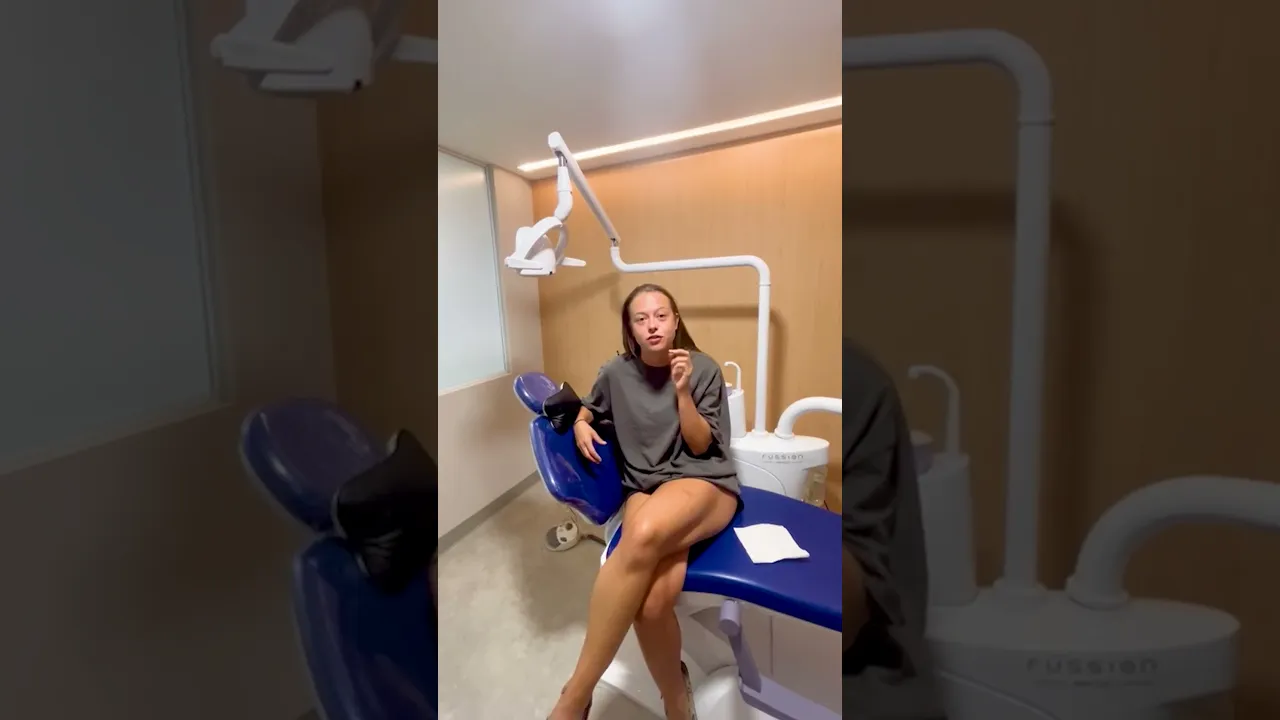
Patients often come in thinking they only need “a cleaning” and learn that the right plan depends on gum measurements and diagnosis. Others worry they need deep cleaning because it has been a long time, but their gums are stable enough for routine maintenance.
The useful part of the visit is not just the cleaning. It is understanding what is happening in your mouth and what level of care is actually indicated.
English-speaking care in CDMX
For English-speaking patients, the most important thing is clear communication. You should understand whether the dentist is recommending preventive cleaning, deep cleaning, gum evaluation, X-rays, or another treatment, and why.
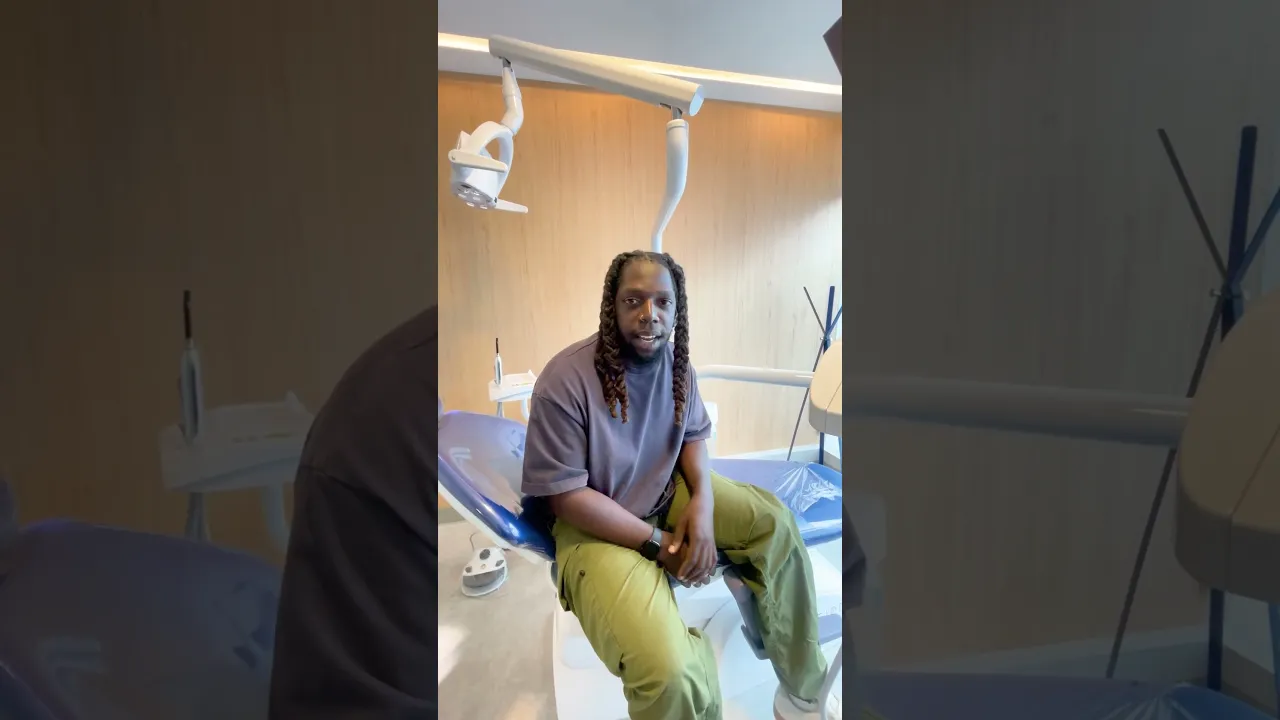
hisonrisa is located in Roma Sur and can support patients in English and Spanish. The team can help with written quotes, itemized receipts, records, and practical planning if you are visiting Mexico City.
If you are comparing documentation requirements before a trip, you can download an example reimbursement packet (ZIP) with sample receipt, support letter, and ADA claim form files.
Ready for your cleaning?
If you are unsure which cleaning you need, send your symptoms, photos if useful, recent X-rays if you have them, previous periodontal measurements, and travel dates. The team can help route you to a routine dental cleaning, a dental exam, periodontal evaluation, or dental emergency care in Mexico City.
You can book online, message the clinic on WhatsApp, or call if timing is tight.
Frequently asked questions
What is the difference between a regular dental cleaning and a deep cleaning?
A regular cleaning removes plaque and tartar above and around the gumline for prevention. A deep cleaning removes bacteria and tartar from periodontal pockets below the gumline when gum disease is present.
Does a deep dental cleaning hurt?
Deep cleaning may use local anesthesia for comfort, if needed. Afterward, mild tenderness or sensitivity can happen for a few days. Follow the dentist’s post-care instructions and contact the clinic if pain or bleeding feels excessive.
Do I really need a deep dental cleaning?
Only an exam can confirm that. Deep cleaning may be recommended when there are gum pockets, bleeding, tartar below the gums, bone loss, or other signs of periodontal disease.
Can I get a normal cleaning instead of deep cleaning?
If active gum disease is present, a routine cleaning may not treat the problem below the gumline. The dentist should explain why deep cleaning is indicated and what happens if periodontal disease is left untreated.
How much does deep cleaning cost in Mexico City?
At hisonrisa, periodontal deep cleaning by quadrant is currently 2,099 MXN. The final quote depends on how many quadrants are involved and whether imaging, periodontal charting, or follow-up is needed.
How often should I get dental cleaning?
Many patients schedule routine cleanings every six months. Patients with periodontal disease, diabetes, smoking history, heavy tartar, implants, orthodontic appliances, or dry mouth may need a different interval.
What should I expect after deep cleaning?
Mild tenderness, gum sensitivity, and temporary bleeding can happen. The dentist may recommend specific brushing, flossing, interdental brushes, rinses, or follow-up visits to check healing.
When is deep cleaning necessary?
Deep cleaning may be necessary when gum pockets, bleeding, tartar below the gumline, gum recession, mobility, or X-ray changes show active gum disease. Your dentist confirms this through clinical evaluation.
Educational note: this article explains common differences between cleaning types. Your dentist needs to examine your mouth before confirming which option is right for you.