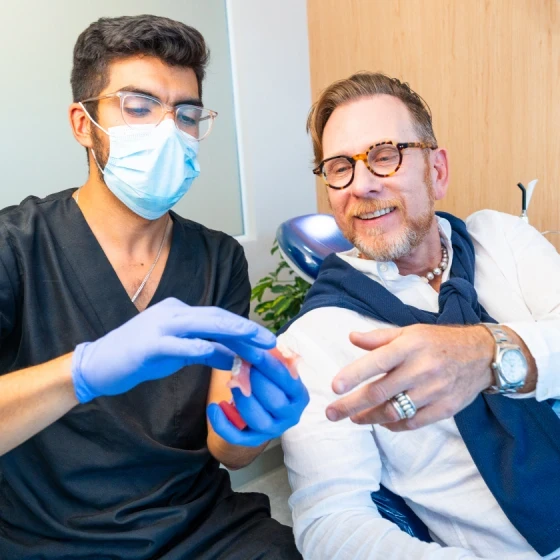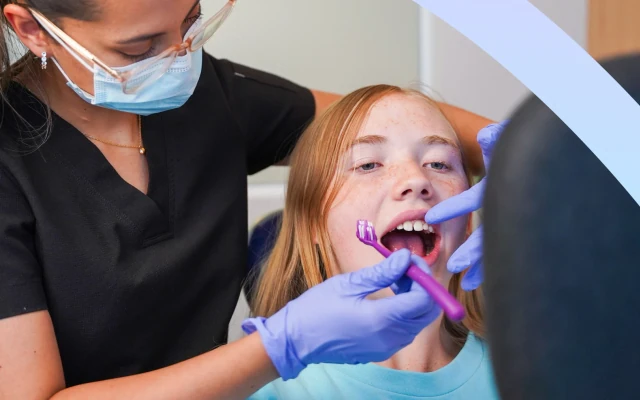
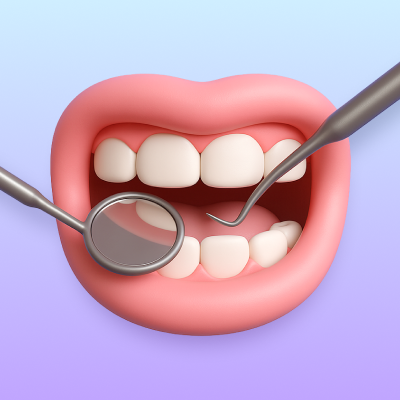









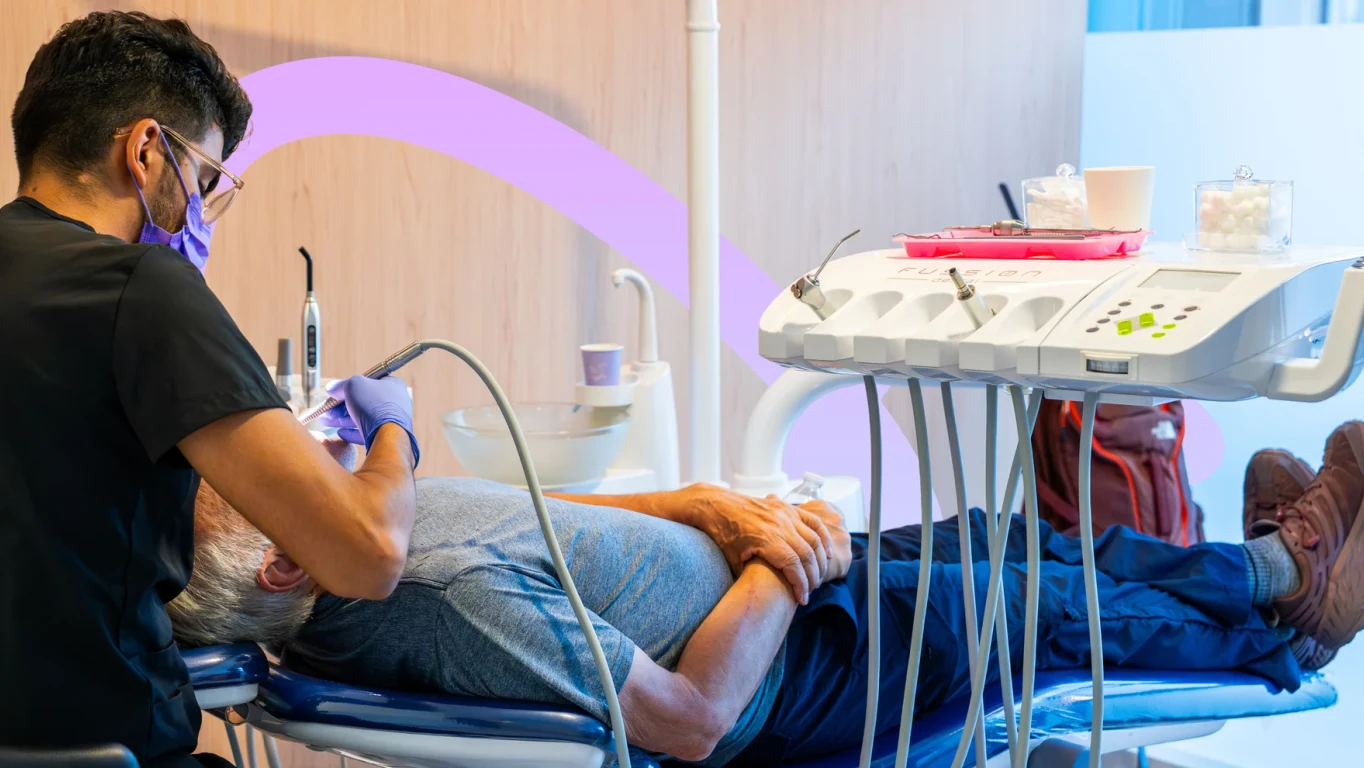
A professional dental cleaning is a preventive visit focused on removing plaque and tartar that brushing cannot fully reach. It also gives the dentist a clearer baseline of your teeth, gums, restorations, bite, and any areas that may need follow-up.
At hisonrisa in Roma Sur, Mexico City, a routine cleaning is planned around comfort, clear explanations, and an MXN quote before treatment begins. This article is educational and does not replace a dental exam if you have pain, swelling, bleeding gums, trauma, or an active dental problem.
Quick answer: what happens during a dental cleaning
Most routine cleaning appointments follow a predictable sequence:
- Brief review and exam: symptoms, health history, teeth, gums, and restorations.
- Plaque and tartar removal: ultrasonic scaling and hand scaling when needed.
- Polishing: professional polish to smooth the tooth surfaces and reduce surface stain.
- Professional flossing: cleaning between the teeth and checking areas that catch plaque.
- Rinsing: removing loosened debris and polishing paste.
- Sensitivity guidance: recommended only when appropriate.
- Final check and home-care tips: what looks healthy, what should be watched, and what may need a separate appointment.
The exact flow depends on your gums, buildup level, symptoms, and whether the dentist sees something that should be diagnosed before continuing as a simple cleaning. If you have swelling, spontaneous pain, a broken tooth, severe bleeding, loose teeth, or deep gum pockets, the right first visit may be a dental exam, emergency appointment, or periodontal evaluation instead of a routine cleaning.
What to send before booking
If you are visiting Mexico City or have a tight schedule, send your preferred dates, recent X-rays if you have them, photos of any area that worries you, and a short note about sensitivity, bleeding, pregnancy, diabetes, medications, allergies, or dental anxiety. This helps the team decide whether a routine cleaning is realistic or whether diagnosis should come first.

Why regular dental cleanings are important
Professional cleanings go beyond what a toothbrush can do at home. Plaque can harden into tartar, and tartar usually needs professional instruments to remove safely.
Prevention of bigger dental problems
Cleanings help reduce plaque and tartar buildup before it contributes to cavities, gum inflammation, bad breath, or more complex treatment needs. During the visit, the dentist may also notice early signs of cavities, cracked restorations, gum problems, or bite wear.
Gum and overall health context
Gum health is part of overall health, especially for patients with diabetes, smoking history, dry mouth, immune concerns, or previous periodontal disease. A cleaning can support healthy gums, but active gum disease may require periodontal evaluation and periodontal deep cleaning / SRP instead of a routine prophylaxis. If you are comparing those appointments, review how routine cleaning and deep cleaning differ.
Cosmetic and social benefits
A cleaning can remove surface stains and leave teeth feeling smoother. It is not the same as professional whitening, and it will not change the color of crowns, fillings, or deeper intrinsic stains. If your goal is a brighter smile, ask whether your teeth and gums are healthy enough for teeth whitening in Mexico City after the cleaning.
Step-by-step: what to expect during the appointment
Understanding the steps can make the visit less stressful, especially if you are in Mexico City for a short stay or booking in English.
1. A warm welcome and brief exam
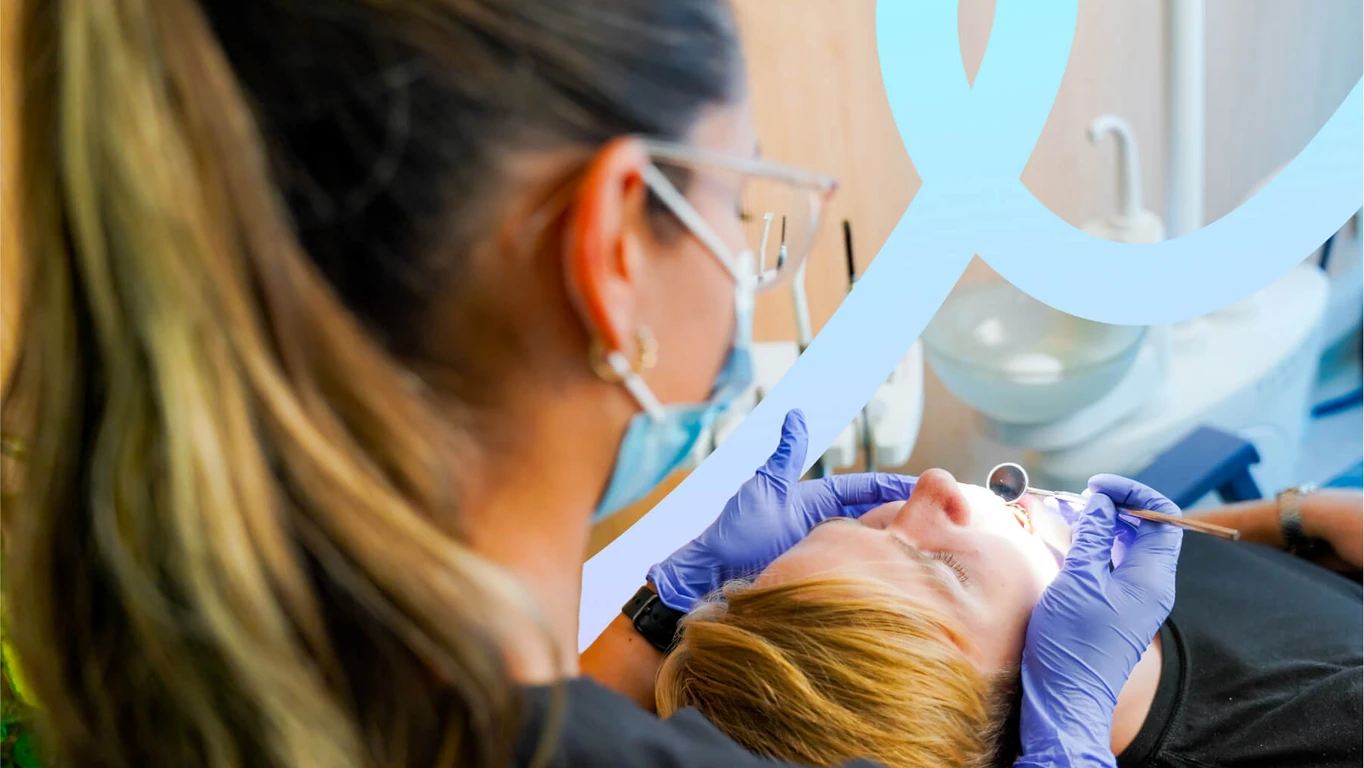
Your visit usually begins with a review of your symptoms, medical history, medications, allergies, dental goals, and whether anything has changed since your last appointment. The dentist may check your gums, restorations, visible cavities, sensitivity areas, and tartar buildup.
If you have pain, swelling, trauma, a loose crown, or a broken tooth, the team may recommend a diagnostic or emergency visit instead of treating the appointment as a routine cleaning.
2. Plaque and tartar removal
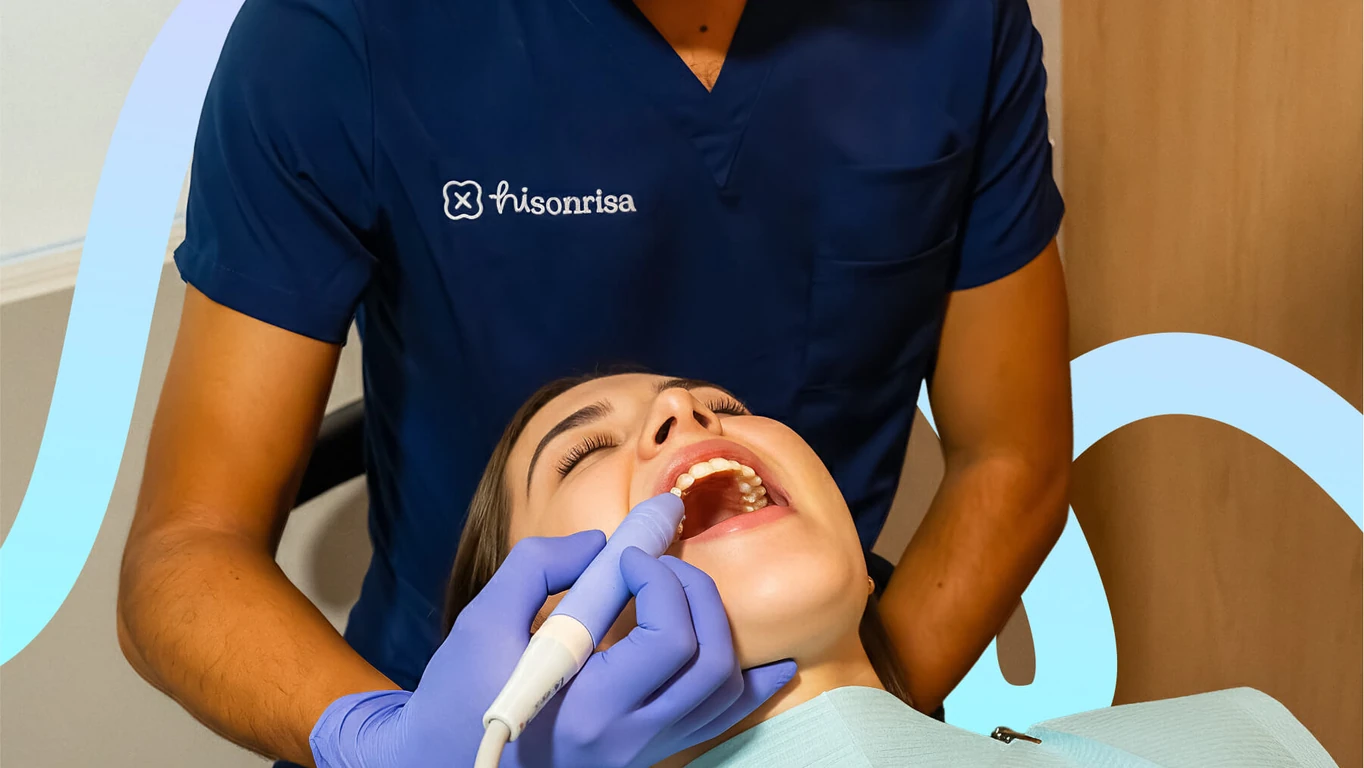
The dentist or hygienist removes plaque and tartar from the tooth surfaces and around the gumline. You may hear scraping sounds or feel vibration from an ultrasonic scaler. Pressure, water spray, and tickling sensations can be normal.
The amount of time depends on buildup. A patient who has cleanings regularly may need less scaling than someone who has not had a cleaning in several years.
3. Professional polishing
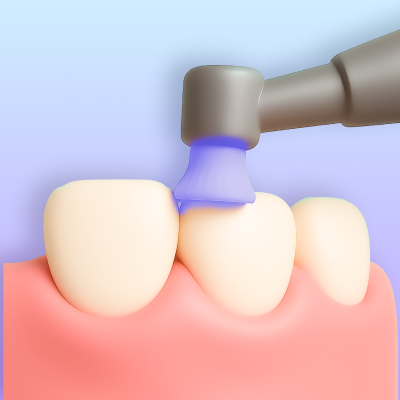
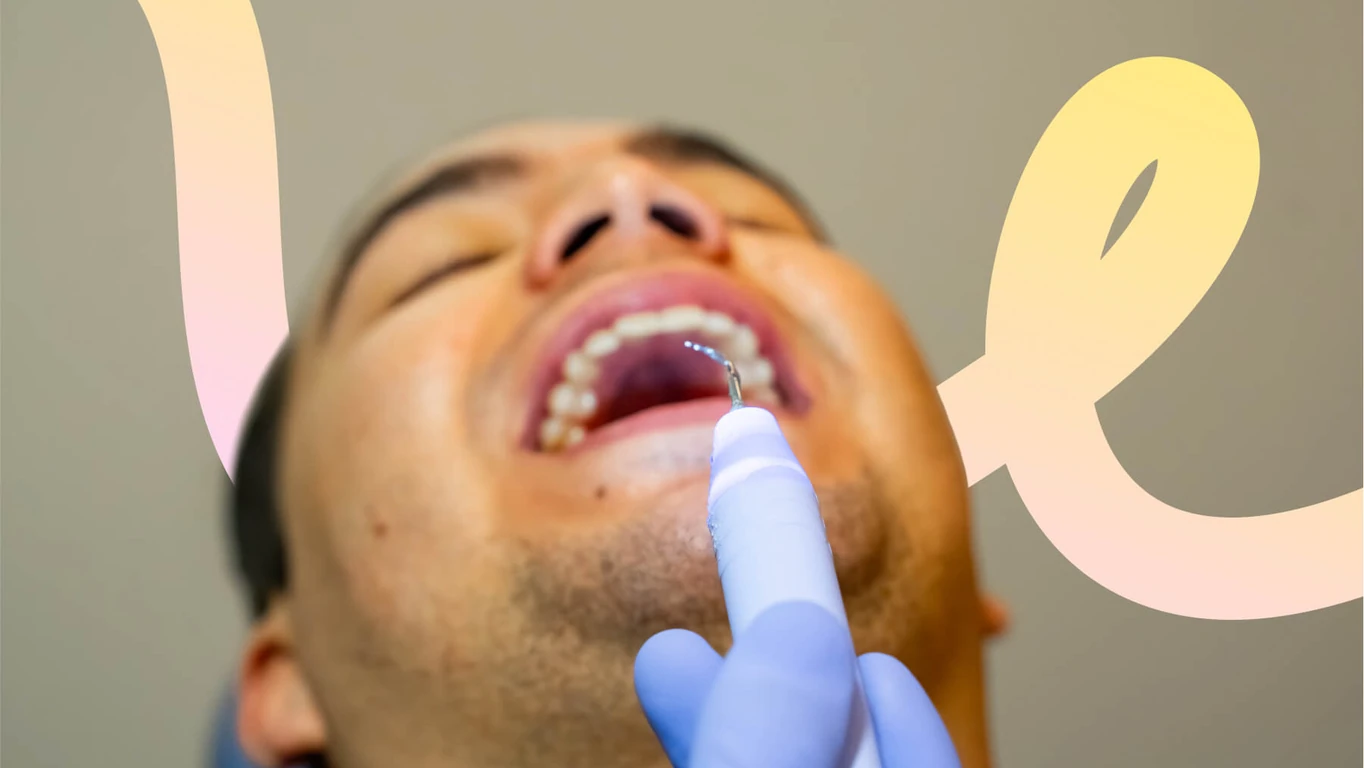
After scaling, the teeth are polished with a professional paste and brush or cup. The texture can feel gritty, but it is used briefly and professionally to smooth the tooth surfaces and remove remaining surface stain.
4. Expert flossing between teeth
Even if you floss at home, professional flossing helps clear loosened debris and shows whether any areas catch, shred floss, or feel inflamed. If your gums bleed, that may reflect inflammation, heavy buildup, or flossing habits, but persistent bleeding should be evaluated.
5. Rinsing and comfort checks
You will rinse to remove loosened debris and polishing paste. This is also a good time to mention sensitivity, sore spots, or areas that still feel rough.
6. Sensitivity guidance when appropriate
Desensitizing products or home-care changes may be recommended depending on your risk for exposed roots, sensitivity, dry mouth, or orthodontic appliances. They are not automatically required for every patient.
7. Final dentist check and personalized advice
The dentist reviews what was found and explains whether you can stay on a routine cleaning schedule or need a separate exam, X-rays, periodontal evaluation, filling, crown, night guard, or other care.
How long does a dental cleaning take?
A routine dental cleaning often takes about 30 to 45 minutes. It may be shorter when buildup is light and longer when there is heavy tartar, inflamed gums, sensitivity, or extra time needed to explain findings.
X-rays, a broader diagnostic exam, periodontal charting, or treatment planning can add time or require a separate appointment. At hisonrisa, the goal is to schedule enough time to clean thoroughly without rushing clinical decisions.
Aftercare and post-cleaning tips
Immediate sensations
Right after a cleaning, your teeth may feel smoother and your mouth may feel fresher. Mild gum tenderness or temporary cold sensitivity can happen, especially if there was significant buildup or inflammation.
Eating and drinking
After a standard cleaning, many patients can eat and drink normally. If a desensitizing product or another material is applied, follow the specific instructions given at the visit.
Keeping teeth clean after the visit
Brush twice daily with toothpaste, clean between the teeth daily, and ask the dentist which technique or tool fits your mouth. Patients with braces, implants, bridges, gum recession, or dry mouth may need different home-care tools.
When to contact the dentist
Contact the clinic if sensitivity lasts more than a couple of days, gum bleeding is persistent, pain increases, or a tooth feels different when biting. Cleaning should not be used to ignore symptoms that need diagnosis.

How much does a dental cleaning cost in Mexico City?
The current routine dental cleaning price at hisonrisa is 1,199 MXN. The listed prophylaxis cleaning includes review, ultrasonic cleaning, and polish.
A broader dental exam starts at 699 MXN when it is needed as a separate diagnostic visit. Periodontal deep cleaning by quadrant is currently 2,099 MXN when gum disease or periodontal pockets make it clinically appropriate.
Prices are quoted in MXN. USD estimates can be shared for planning, but the official clinic quote and payment record stay in MXN. Imaging, periodontal treatment, fillings, crowns, emergency care, whitening, or treatment on other teeth are quoted separately when needed.
Payment and booking for international patients
If you are visiting Mexico City, send your travel dates, recent X-rays if you have them, photos of areas that worry you, and a short note about sensitivity, bleeding, or previous gum treatment. Ask what can fit into one visit and what should be planned separately.
You can book online, message the clinic on WhatsApp, or call if timing is tight. The team can also help with itemized receipts or invoices for patients who need reimbursement paperwork, although insurance decisions depend on your plan.
You can download an example reimbursement packet (ZIP) if you want to preview the sample receipt, support letter, and ADA claim form format before asking your insurer what they require.
Frequently asked questions
Does a dental cleaning hurt?
Most routine cleanings are comfortable, but you may feel vibration, pressure, scraping, water spray, or mild gum tenderness. If your gums are inflamed or there is heavy buildup, tell the dentist so they can adjust the approach.
How long does a dental cleaning take?
A routine cleaning usually takes 30 to 45 minutes. It can take longer if there is heavy tartar, sensitivity, gum inflammation, or if X-rays and diagnosis are needed.
How often should I get my teeth cleaned?
Many patients do well with cleanings about every six months. Patients with gum disease, diabetes, smoking history, heavy tartar, orthodontic appliances, dry mouth, or implants may need a different interval.
What is the difference between regular cleaning and deep cleaning?
A regular cleaning removes plaque, tartar, and stains from visible tooth surfaces and around the gumline. A deep cleaning, also called scaling and root planing, treats periodontal pockets below the gumline and may require local anesthesia if needed and follow-up.
How much does a dental cleaning cost in Mexico City?
At hisonrisa, the current routine dental cleaning price is 1,199 MXN. Final pricing depends on diagnosis and whether separate exam, imaging, gum care, or other treatment is needed.
The dental cleaning cost guide for Mexico City gives a fuller breakdown of scope and quote questions.
How should I prepare for a dental cleaning?
Brush and floss normally. Bring or send recent X-rays if you have them, and mention sensitivity, bleeding, gum treatment history, medications, allergies, pregnancy, diabetes, or any dental anxiety.
What should I do after a dental cleaning?
Continue brushing and cleaning between the teeth. Follow any specific instructions if desensitizing products or gum-care recommendations were given.
Are dental cleanings really necessary?
Professional cleanings help remove tartar that home care cannot fully remove and give the dentist a chance to catch problems earlier. They do not replace diagnosis when you have symptoms.
Why don’t my teeth look much brighter after a cleaning?
A cleaning removes plaque, tartar, and some surface stains, but it does not change the natural color of the tooth. Crowns, veneers, fillings, and deeper internal staining do not lighten from a cleaning. If a brighter shade matters to you, ask the dentist about whitening as a separate treatment.
Is it normal for gums to bleed after cleaning?
Minor bleeding can happen when gums are inflamed or tartar is heavy. Persistent, heavy, or recurring bleeding should be evaluated because it can signal gum disease or another issue.
Is it safe to get a dental cleaning in Mexico City as a foreigner?
Mexico City has many modern dental clinics, but patients should still choose a clinic with clear doctor identity, sterilization protocols, written quotes, and realistic explanations. hisonrisa is located in Roma Sur and supports patients in English and Spanish.
Useful next steps
If your goal is prevention, start with the dental cleaning page. If you want to compare current fees, review the dental prices guide. If you have pain or swelling, use the dental emergency page instead of waiting for a routine cleaning slot.
Educational note: this article is general information. A dentist needs to examine your teeth and gums before confirming what type of cleaning or treatment is right for you.