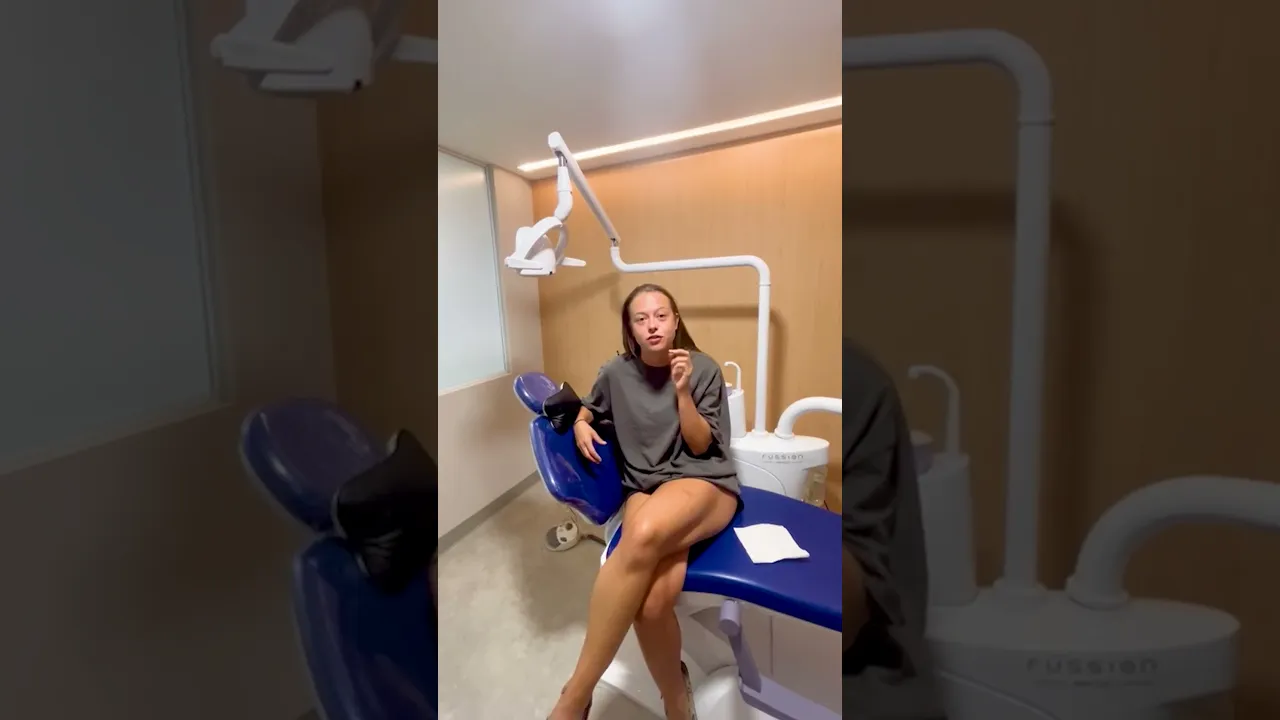






Choosing a dentist in another country is easier when you know what to verify before booking. For expats and travelers in Mexico City, the most useful checks are the dentist’s identity and credentials, whether treatment can be explained clearly in English, what a written MXN quote includes, and how records and follow-up will be handled.
Use this guide to compare clinics, prepare your records, plan enough time for treatment, and understand possible insurance paperwork. If you are already evaluating a clinic or want to book, visit our dentist in Mexico City page for English-speaking care in Roma Sur.
This guide is educational. Your diagnosis and treatment plan still require an examination and any clinically necessary imaging.
How to compare dentists in Mexico City
Start with information that can be verified. A polished website, low starting price, or strong advertisement is not enough to judge whether a clinic fits your needs.
Before booking, check:
- Dentist identity and credentials: Ask who will examine or treat you, what their role is, and whether their professional license information is available.
- English communication: Confirm that diagnosis, options, risks, prices, and follow-up can be explained in English—not only appointment scheduling.
- Written MXN quote: Ask what is included, what may be quoted separately, and whether the amount applies per tooth, arch, visit, or complete treatment.
- Clinical records: Confirm whether you can receive copies of X-rays, scans, photographs, treatment notes, and receipts when relevant.
- Visit and follow-up timing: Ask how many appointments may be needed and what happens if you need an adjustment after leaving Mexico City.
- Insurance documentation: If you may request reimbursement, ask your insurer what forms and supporting records it requires before treatment.
The goal is not to find a clinic that promises the most. It is to find one that explains the diagnosis, scope, timing, and next step clearly.
What safe and clear dental care should look like
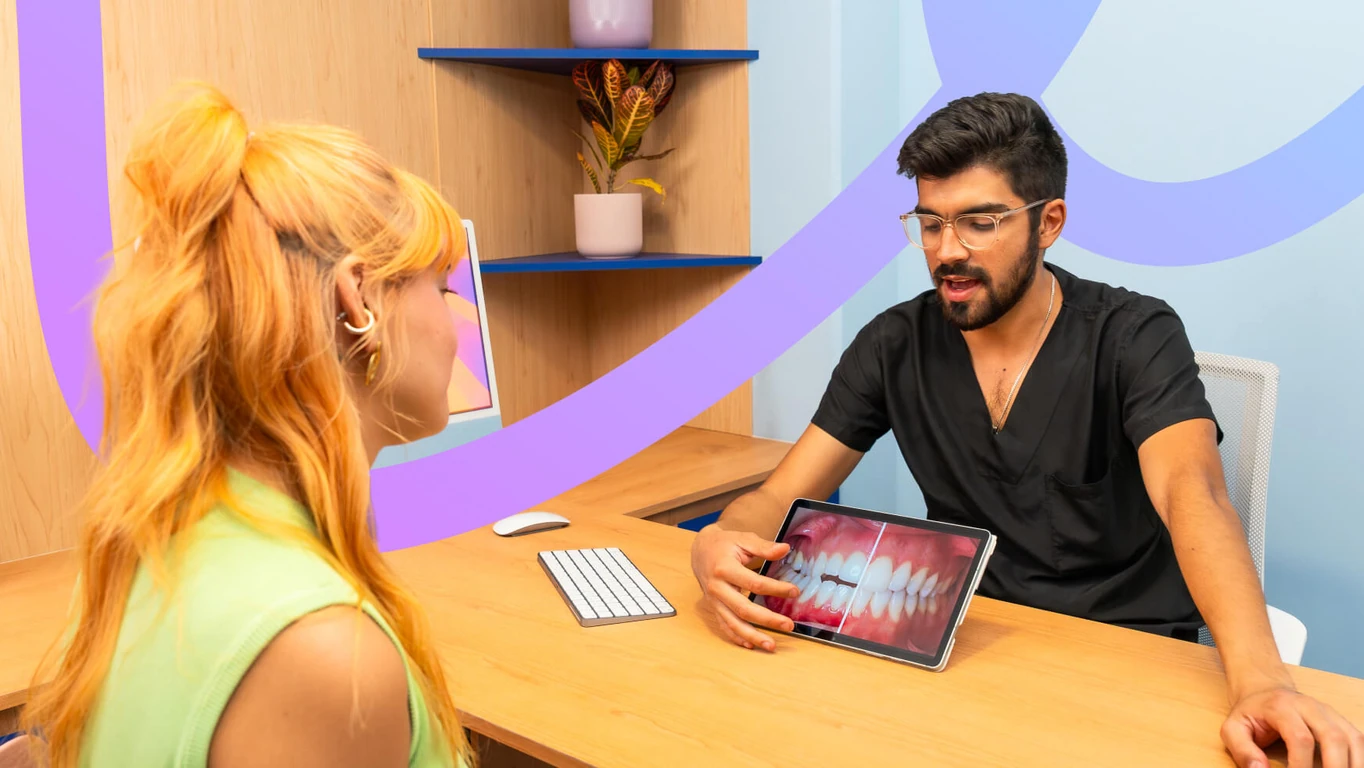
No directory, ranking, or advertisement can guarantee that a clinic is right for you. Look for a named treating dentist, professional license information, a real clinic address, clear sterilization practices, and a treatment plan that explains the diagnosis, options, risks, and follow-up.
Technology is useful when it supports a clinical decision. Digital X-rays, CBCT scans, intraoral photographs, and digital impressions should be recommended for a reason and explained in plain language.
English support should extend beyond reception. You should be able to understand what the dentist sees, what is urgent, what can wait, what each option involves, and what follow-up may be needed.
How to compare written dental quotes
A useful dental quote identifies the treatment, tooth or area, materials, number of expected visits, and official MXN amount. It should also make clear what is included and what could be quoted separately after examination or imaging.
Before comparing two quotes, ask:
- Does the amount apply per tooth, arch, quadrant, visit, or complete treatment?
- Are imaging, provisional work, laboratory fees, grafting, medications, or follow-up separate?
- Is the visible amount a starting price or the confirmed price for the diagnosed treatment?
- What happens if the diagnosis or treatment scope changes?
For current starting prices, review our dental prices in Mexico City page. Final treatment recommendations and written MXN quotes are confirmed after the examination.
What to send before your appointment
Sharing useful information before the visit helps the clinic schedule the right type of appointment. It does not replace an examination, but it can reduce avoidable uncertainty.
Send what you have:
- A short description of the concern and when it started
- Clear photographs when relevant
- Recent X-rays or CBCT files
- Previous treatment plans or implant records
- Medical conditions, medications, and allergies
- Your travel dates and availability for follow-up
For implant-related care, use our dental implant consultation records checklist to prepare imaging and treatment history before traveling.
Plan enough time for treatment and follow-up
Do not plan a return flight around the advertised procedure time alone. The examination may change the recommendation, and some treatments require laboratory work, healing time, multiple visits, or an adjustment before you leave.
Before scheduling, ask:
- How many visits may be needed?
- How much time is normally left between visits?
- Will I leave with a provisional or final restoration?
- Could the procedure affect my travel plans?
- What happens if my bite or restoration needs adjustment?
- Which records will I receive for follow-up with another dentist?
For larger restorative, surgical, or implant cases, leave flexibility until the dentist has reviewed your records and completed the examination.
For the complete records, scheduling, laboratory, healing, and follow-up flow, use our dental tourism guide for Mexico City before you lock in travel dates.
Know when not to wait for a routine appointment
Severe pain, swelling, dental trauma, uncontrolled bleeding, or a broken restoration should be routed differently from a routine examination or cleaning. Contact an emergency dentist in Mexico City and send the location of the problem, when it started, photographs when possible, medications, allergies, and relevant medical conditions.
Swelling with fever, difficulty breathing or swallowing, facial trauma, or uncontrolled bleeding may require urgent medical or dental attention. Do not wait for a routine appointment if symptoms are becoming more severe.
Use the right resource for the care you need
If you already know what type of care you are researching, use the page built for that decision:
- Review available dental services in Mexico City.
- Compare current dental prices in Mexico City.
- Prepare for dental implant planning.
- Consider professional teeth whitening in Mexico City when you want a supervised in-office option and guidance about sensitivity, visible restorations, and realistic shade changes.
- Contact an emergency dentist for urgent symptoms.
A dentist still needs to confirm which treatment is appropriate after examining you.
Prepare insurance paperwork before treatment
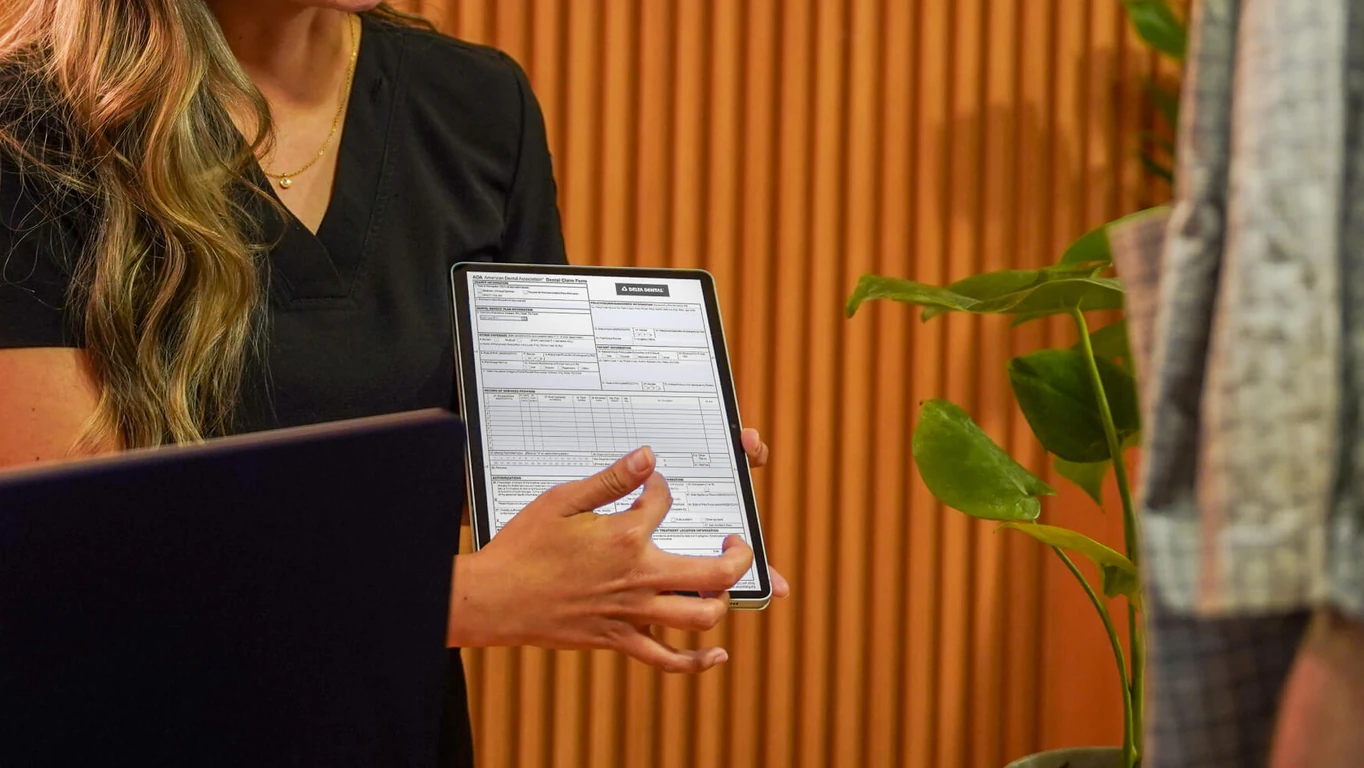
Some U.S. dental plans may reimburse eligible out-of-network treatment received in Mexico, but rules vary. Reimbursement is never guaranteed, and many Mexican clinics do not bill U.S. insurance plans directly.
Before treatment, ask your insurer:
- Whether care outside the United States is eligible
- Whether preauthorization is required
- Which claim form should be used
- Whether CDT codes, tooth numbers, surfaces, or treatment narratives are required
- Whether X-rays, proof of payment, or a translated document is needed
- What filing deadline applies
Ask the clinic whether it can prepare an itemized receipt, proof of payment, provider information, and supporting treatment records. hisonrisa can help prepare documentation, but the insurance company decides eligibility and reimbursement.
You can also review the example reimbursement packet before treatment.
Location matters when follow-up may be needed
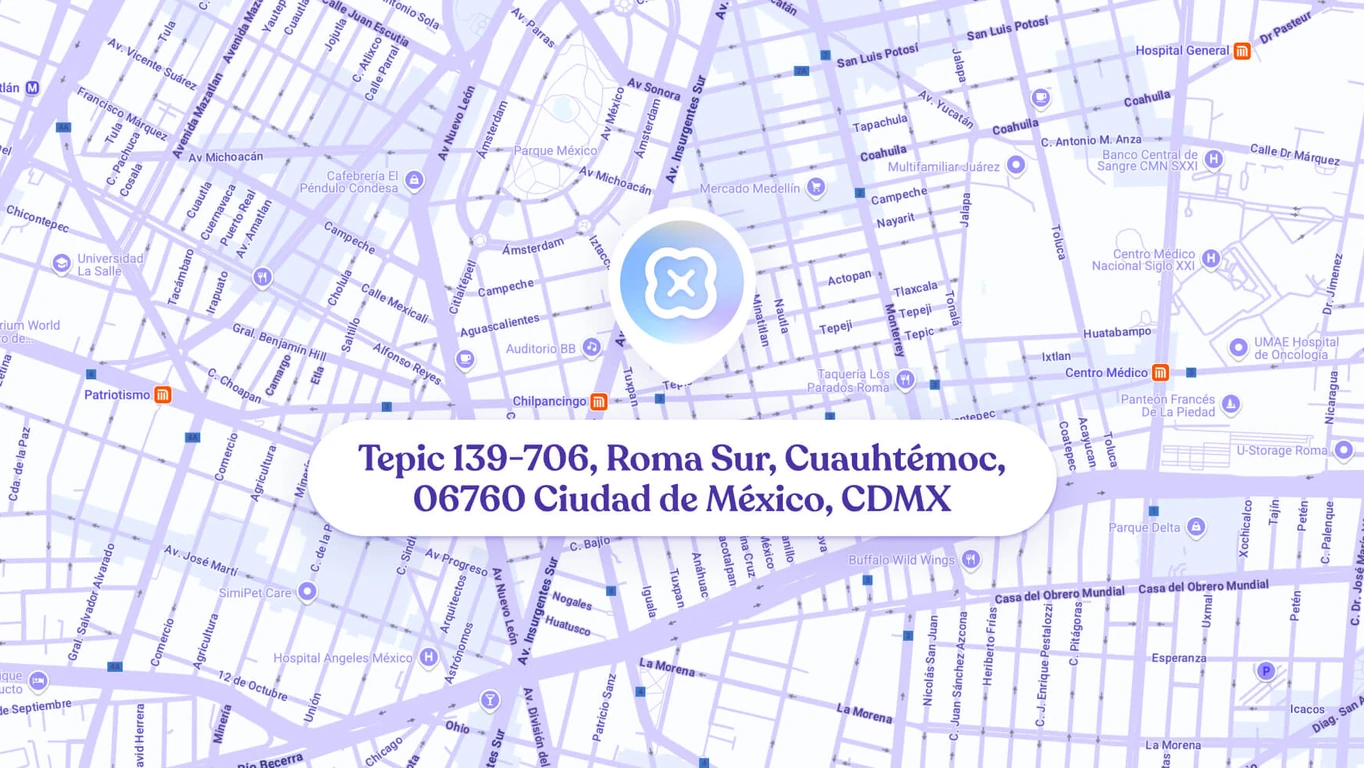
A clinic close to your home, hotel, or workplace is easier to return to if you need another examination, a bite adjustment, or follow-up care.
hisonrisa is at Tepic 139-706 in Roma Sur, near Condesa, Roma Norte, Narvarte, and Centro Médico. Ask for the map pin and building-entry instructions before your appointment, especially if it is your first visit.
If you want to evaluate the clinic, team, treatments, and appointment process, visit our dentist in Mexico City page.
Questions expats and travelers ask before choosing a dentist
How can I verify a dentist in Mexico City?
Ask for the treating dentist’s full name, role, and professional license information. Confirm the clinic address and look for a written explanation of the diagnosis, treatment options, risks, price, and follow-up.
Is dental care in Mexico City safe for foreigners?
Mexico City has many qualified dentists and established clinics, but safety should be evaluated clinic by clinic. Verify the dentist, ask how instruments are sterilized, and do not choose based only on a low price or advertising claim.
What should a written dental quote include?
The quote should identify the treatment, tooth or area, materials, official MXN amount, and what is included. Ask whether imaging, laboratory work, provisional restorations, medications, or follow-up could be quoted separately.
What records should I send before my appointment?
Send recent X-rays or CBCT files, treatment plans, implant information, relevant photographs, medical conditions, medications, allergies, and travel dates when available. The dentist may still need new imaging after examining you.
Can U.S. dental insurance reimburse treatment in Mexico?
Some plans may reimburse eligible out-of-network care, but rules vary and reimbursement is not guaranteed. Ask your insurer about preauthorization, claim forms, CDT codes, X-rays, receipts, and filing deadlines before treatment.
How much time should I leave for follow-up?
It depends on the diagnosis and treatment. Ask how many visits may be required, whether laboratory or healing time is involved, and what happens if you need an adjustment before or after leaving Mexico City.
What should I do during a dental emergency in Mexico City?
Contact an emergency dentist directly and send information about the pain, swelling, or injury, along with photographs, medications, and relevant medical conditions. Difficulty breathing or swallowing, facial trauma, and uncontrolled bleeding may require urgent attention.
When you are ready to compare clinic fit
Use this guide to compare credentials, communication, written quotes, records, and follow-up—not only advertised prices.
When you are ready to consider hisonrisa, review our dentist in Mexico City page for English-speaking care, treatments, pricing access, team information, location, and appointment options. If you have urgent pain, swelling, or trauma, use the dental emergency page instead of waiting for a routine visit.