





Dental implant consultation in Mexico City and records to send

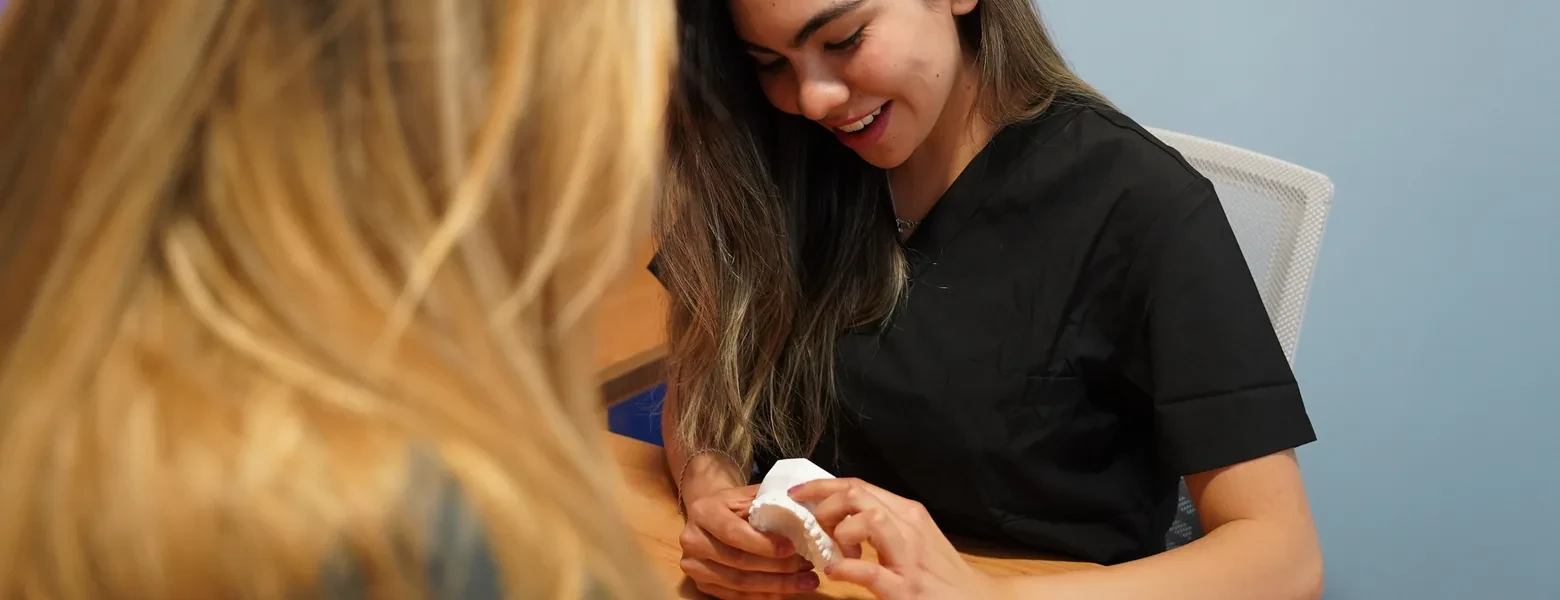
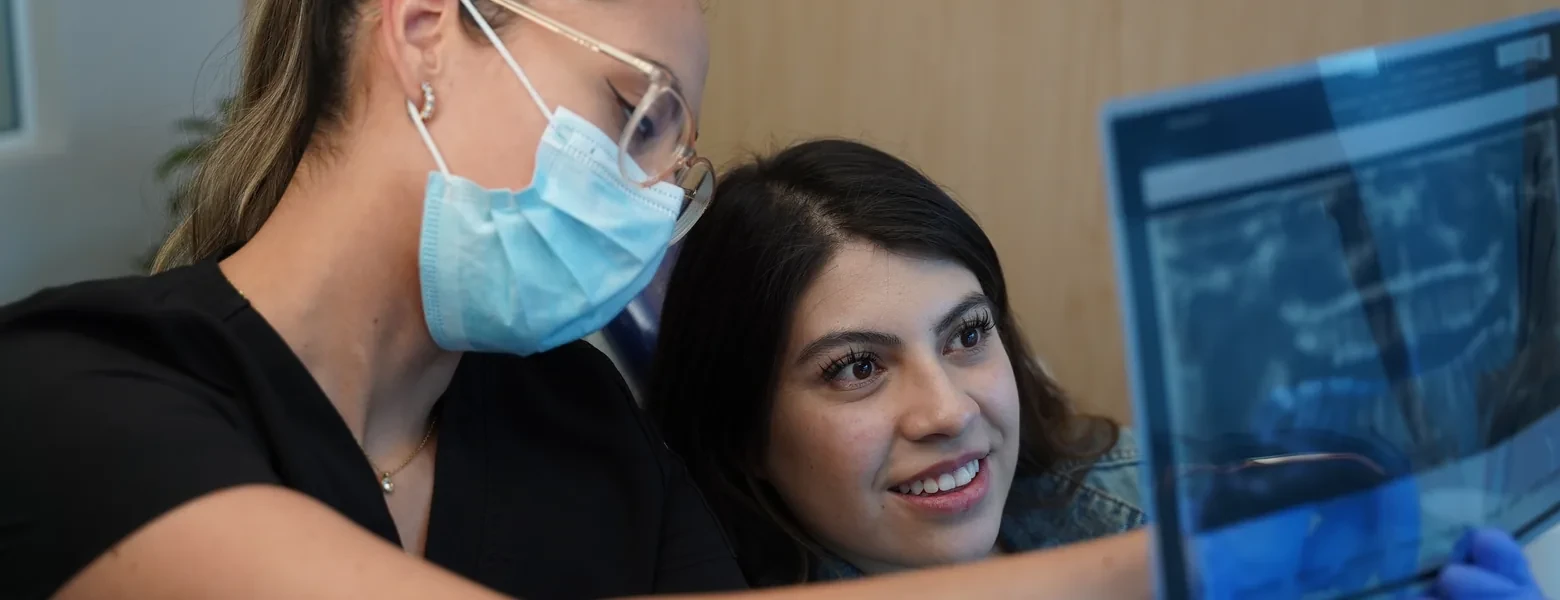
Better context Dentist explaining a dental model during a consultation at hisonrisa in Mexico City. for your implant consultation Dentist and patient reviewing a panoramic X-ray at hisonrisa in Mexico City.

Sending photos, recent imaging, medical context, medications, and travel dates can make the first conversation more useful before you arrive. Records guide the review; they do not replace an examination or confirm a final diagnosis, candidacy, or quote.

Recent patient testimonial portrait outdoors at hisonrisa in Roma Sur.
Recent patient testimonial portrait in the waiting area at hisonrisa in Roma Sur.
Recent patient testimonial portrait inside hisonrisa dental clinic in Roma Sur.
Recent patient testimonial portrait near a window at hisonrisa in Roma Sur.
4.8 out of 5 stars
4.8 from recent patients in Roma Sur

Quick checklist

Send what you already have

  • Clear smile, bite, and treatment-area photos
  • X-rays and CBCT files, if you already have them
  • Medical history, medications, and allergies
  • Previous plans or quotes and your travel dates

What happens next

  1. First — we organize the information

  2. Next — the clinician identifies open questions

  3. In clinic — the plan is confirmed by assessment

Do not delay contacting us because one record is missing.
  • Languages: EN/ES
  • Before travel: Share records and dates
  • Clinic: Roma Sur, Ciudad de México

Quick answers before your consultation

These answers separate what records may clarify remotely from what still needs an in-person review.

  • What should I send?

    Available photos, X-rays or CBCT files, medical history, medications, previous plans, and travel dates.

  • What can records clarify?

    They can show what information is already available, what may be missing, and which questions need an in-person assessment.

  • Can I receive a final quote before travel?

    No. Possible scope and stages can be discussed, but a final quote depends on examination, sufficient imaging, and clinician review.

  • Do the files confirm candidacy?

    No. Candidacy and the final treatment plan cannot be approved remotely or from one record alone.

What to send before the consultation

You do not need to arrange new imaging on your own. Start with recent files you already have and say when they were taken.

Visual records
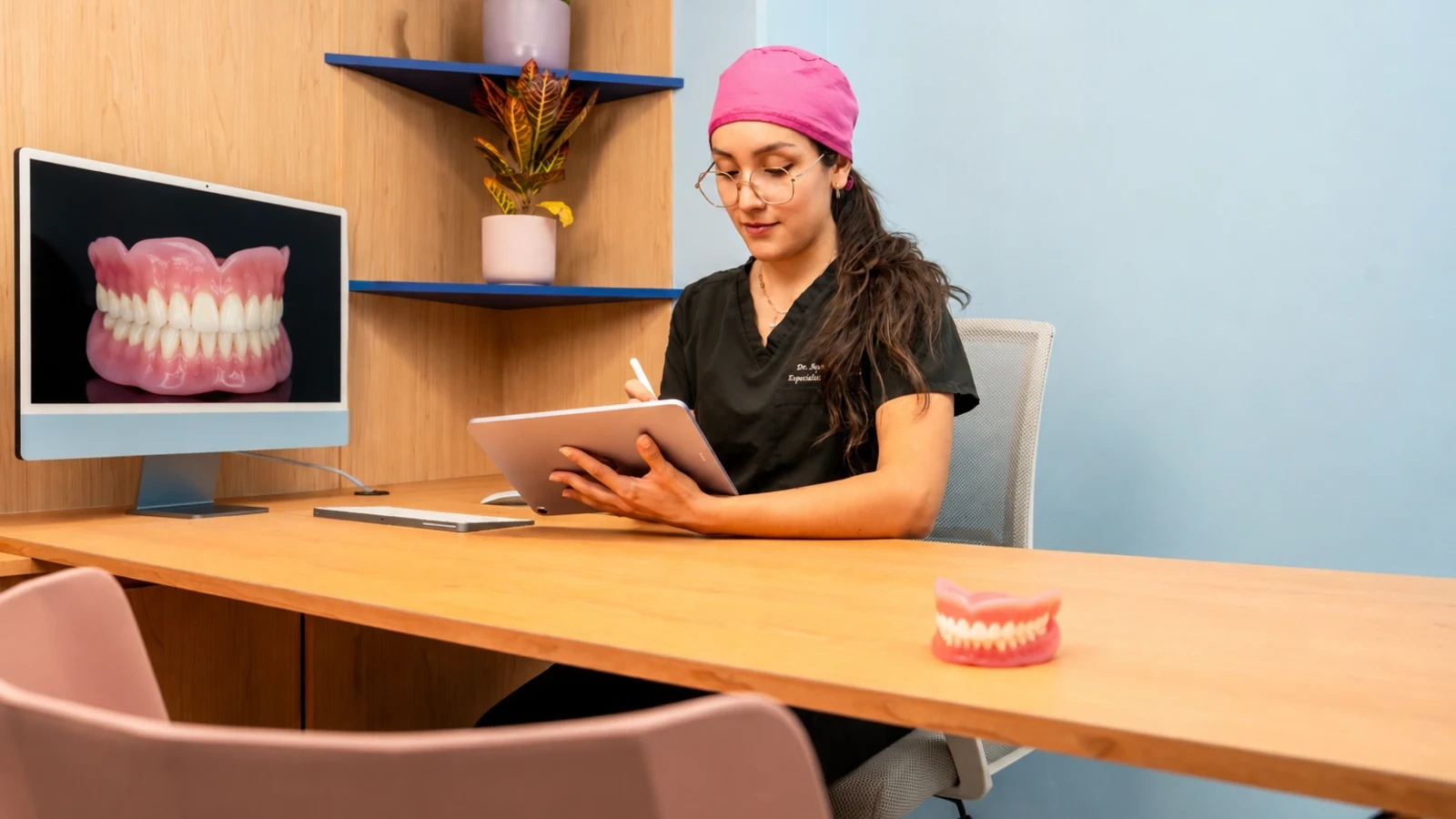
hisonrisa clinician reviewing a tablet and dental model during a planning conversation in Mexico City.

Photos

  • Front and side smile views
  • Teeth together in your normal bite
  • The missing-tooth or problem area

Imaging

  • A recent panoramic or periapical X-ray
  • Original CBCT files, if you already have them
  • The radiology report, if one was provided
Case context
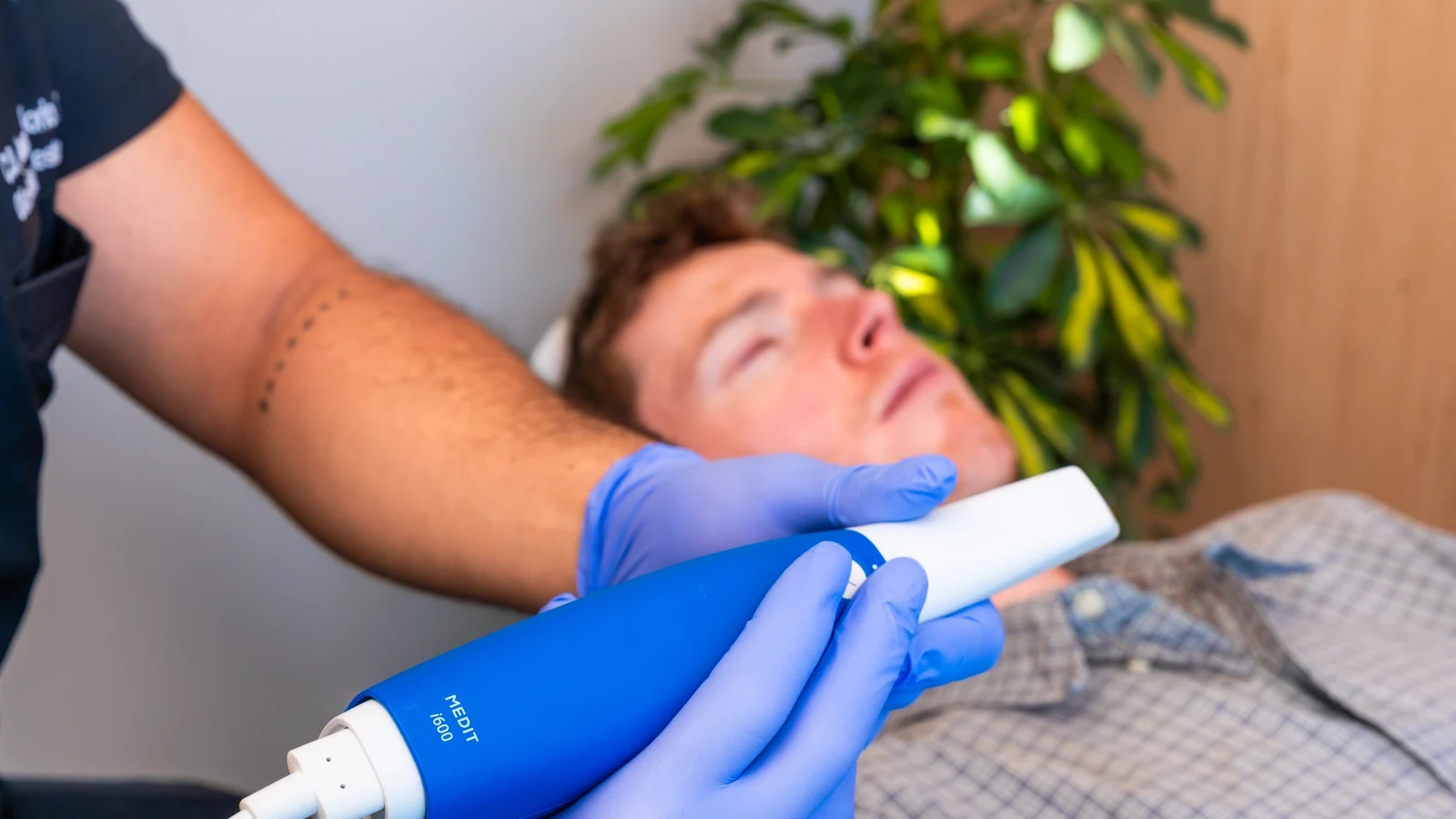
Intraoral scanner and gloved hands during diagnostic setup at hisonrisa in Mexico City.

Health and medications

  • Relevant diagnoses and recent surgery
  • Medication names, doses, and allergies
  • Smoking, pregnancy, or conditions that may affect healing

Plan and travel

  • Complete previous quotes or plans
  • Treatment already completed in that area
  • Tentative arrival and departure dates

What records can and cannot tell us

A pre-arrival review helps prepare questions and next steps. Clinical decisions come after reviewing the person, not just the files.

Records may clarify

Useful context before clinical time is booked.

What information exists

The type and date of imaging, the area involved, and prior treatment.

What may be missing

Views, file formats, or history needed for a more complete conversation.

What questions to prepare

Alternatives to discuss at the assessment and what to bring with you.

Records cannot confirm

Conclusions that still require clinical assessment.

A final diagnosis

Remote review does not replace examination, palpation, bite checks, or clinical tests.

Candidacy or approval

It cannot guarantee that an implant, graft, or treatment during the same visit is appropriate.

A final quote or schedule

Scope may change after sufficient imaging, anatomy, infection, healing, and clinical priorities are reviewed.

Where each planning question continues

This guide prepares the consultation. Clinical planning, cost, and aftercare continue with their dedicated page owners.

Prepare travel without compressing the plan

Dates help organize appointments, but they should not become a promise of surgery, flight clearance, or completed treatment.

Prepare travel without compressing the plan
Timing What to do
Before booking
Share tentative dates and ask what appointments may be needed. Avoid rigid tickets when they depend on a clinical conclusion.
At the assessment
The team may recommend an examination, new imaging, or another consultation before treatment is defined.
If surgery follows
Leave room in the itinerary and review dental implant surgery aftercare . Recovery and flight timing are confirmed for your case.

What happens after your records are reviewed

The pre-arrival review helps the first appointment start with better context; it does not move clinical conclusions online.

  1. 1) We organize what arrived

    We confirm which files open, when they were taken, and which area or question you want reviewed.

  2. 2) We flag open questions

    The team identifies missing views, medical context, or imaging that may need to be obtained.

  3. 3) We coordinate the assessment

    The right appointment type is booked and you know what to bring, without a same-day treatment promise.

  4. 4) We confirm in clinic

    Examination and, when appropriate, new imaging support a written treatment plan.

Questions about records and preparation

Short answers for preparing the first conversation without turning remote review into diagnosis.

Send the requested photos, any existing X-rays or CBCT files, relevant health history, your medication list, previous implant plans or quotes, and tentative travel dates. Add study dates and original image files when available.