




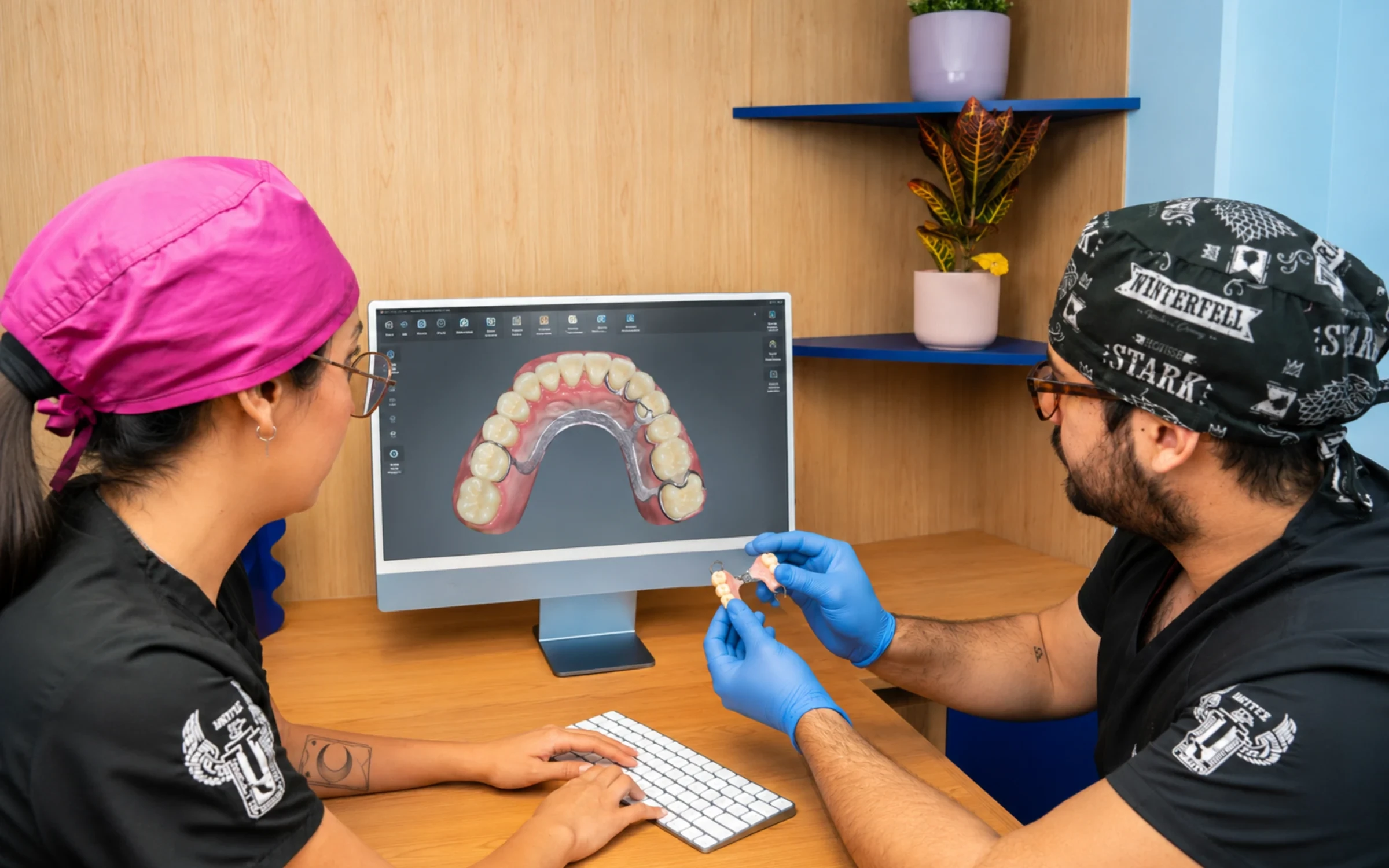
Your implant dentist's instructions come first
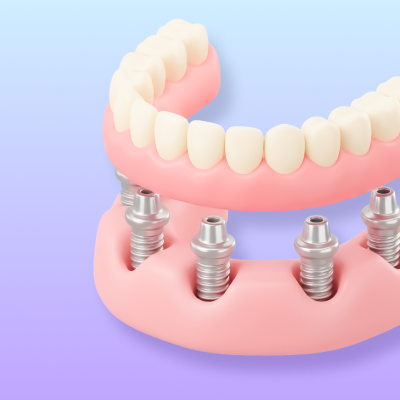
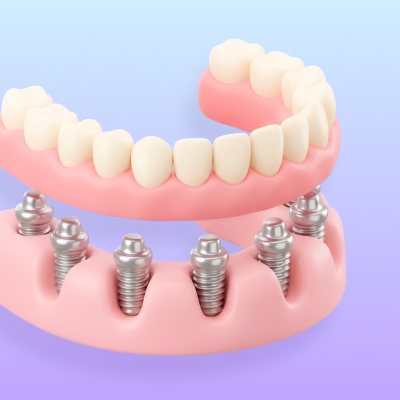
These instructions are general guidance for All-on-4 and All-on-6 full-arch implant aftercare. Your implant dentist's written instructions come first, especially if your surgery involved extractions, bone grafting, sinus lift, sedation, both arches, a fixed provisional bridge, or a healing denture.
Follow the exact diet and cleaning plan for your provisional bridge. Do not chew hard foods, bite with the front teeth, or test the bridge with pressure unless your doctor has cleared it.
If sedation, general anesthesia, or medication that affects alertness was used, follow the driving, escort, eating, drinking, and rest instructions you were given.
Had a single dental implant instead of full-arch surgery? Use our dental implant surgery aftercare guide instead.
Seek urgent medical care if you have trouble breathing or swallowing, rapidly worsening swelling of the face or neck, uncontrolled bleeding, or medication reaction symptoms such as swelling of the lips or tongue.
Quick answers
After All-on-4 or All-on-6 surgery, protect the surgical sites and provisional bridge from pressure. Rest, stay hydrated, follow medication and rinse instructions, keep food soft, clean only as instructed, and message hisonrisa if the bridge feels loose, swelling spreads, pain worsens, fever or pus appears, or you cannot drink fluids or take medication.
First 24 hours
Rest, keep your head slightly elevated, hydrate carefully, follow bleeding and medication instructions, and do not disturb the surgical sites or provisional bridge.
Protect the provisional bridge
Eat only the texture your doctor cleared. Do not test hard chewing, bite into firm food with the front teeth, or use the bridge to check how strong it feels.
Clean gently
Use only the brush, rinse, floss threader, water flosser, or other tools your clinic approved. Do not improvise under the bridge during early healing.
Message us if the bridge feels loose, clicks, cracks, or breaks
A bridge that clicks, cracks, feels loose, changes your bite, or traps food in a new way should be checked before you keep chewing or travel.
Share travel dates early
Tell us if you are flying or leaving Mexico City soon. Bleeding, swelling, sedation, grafting, one or both arches, and bridge review can all change the recommendation.
Provisional bridge care, hygiene, travel, and photo triage
Full-arch aftercare depends on protecting the provisional bridge, cleaning correctly, and keeping the review schedule that supports healing and final bridge planning.

Provisional bridge care
- Do not use the provisional bridge to test hard chewing.
- Cut food into small pieces instead of biting into firm foods.
- Message us if the bridge clicks, cracks, loosens, rubs, or suddenly changes your bite.
- Do not tighten, file, glue, or adjust the bridge yourself.

Hygiene and cleaning tools
- Brush gently with the technique your clinic showed you.
- Clean under the bridge only with approved tools.
- Use prescribed rinses only as directed.
- Do not use a water flosser, floss threader, interdental brush, syringe, or pick unless your dentist cleared it for your stage.

Flying or leaving Mexico City soon
- Share your departure date before treatment or as soon as your plans change.
- Do not use a fixed number of days as travel clearance: bleeding, swelling, sedation, grafting, one or both arches, bridge stability, bite comfort, and whether you can return for review all change the answer.
- Same-day travel is not ideal if bleeding is active, sedation was used, both arches were treated, grafting was performed, or the bridge needs review.
- Keep review visits for bridge stability, tissue healing, hygiene, bite, and final bridge planning.
- Photos and short videos can show us what changed and help us prepare your visit. They may not be enough to identify which part is moving or to evaluate the bite, implant stability, surrounding tissues, or whether X-rays are needed. An in-person exam may still be necessary.

Photo and video triage
- Send one close-up photo in good light without pulling the cheek open aggressively.
- Send one wider smile or bite photo if the issue is bridge position or bite change.
- Send a short video only if clicking, looseness, or speech/bite movement is visible.
- Tell us the surgery date, one arch or both arches, pain level, swelling, bleeding, bad taste or odor, and whether anything feels loose.
Use the right planning page
- Use this guide for recovery after full-arch implant surgery and provisional bridge placement.
- For cost, candidacy, CBCT, treatment selection, or All-on-4 and All-on-6 planning, use the treatment pages.
- If you had one implant or tooth-by-tooth implants, use the dental implant surgery aftercare guide.
Follow the stage you are on
Full-arch implant aftercare is different from single-implant aftercare because several implants, the bite, and the provisional bridge all need protection while the bone integrates.

Rest and protect the new bridge
The first day is about rest, hydration, bleeding control, and avoiding pressure on the provisional bridge and surgical sites.
- Rest for the rest of the day.
- Keep your head slightly elevated.
- Use gauze only as instructed.
- Take medication exactly as prescribed or directed.
- Drink water slowly and regularly.
- Keep your tongue, fingers, toothbrush bristles, and tools away from fresh surgical areas.
- Follow sedation or anesthesia instructions if they apply.
- Use soft or liquid foods only if your doctor cleared eating.
- Choose cool or room-temperature options.
- Try yogurt, protein shakes without a straw, scrambled eggs, mashed potatoes, avocado, or blended soup that is not hot.
- Cut or mash anything that needs chewing.
- Driving if sedation, general anesthesia, or alertness-affecting medication was used.
- Straws.
- Smoking, vaping, or tobacco.
- Hot drinks, alcohol, carbonation, crunchy foods, hard foods, sticky foods, seeds, nuts, popcorn, or tough meat.
- Testing the bridge with hard chewing or front-tooth biting.
- Forceful rinsing or spitting.
- Heavy exercise, heavy lifting, or sports.
- Light bleeding or pink saliva.
- Mild to moderate soreness.
- Swelling starting.
- Jaw stiffness.
- The provisional bridge feeling new or bulky.
- Bleeding stays active after firm gauze pressure as instructed.
- Swelling increases quickly.
- Pain feels severe or unusual.
- The bridge clicks, cracks, feels loose, or changes position.
- You cannot drink fluids or take medication.
- You have trouble breathing or swallowing.

Swelling and stiffness can peak
Swelling, bruising, jaw soreness, and stiffness can be more noticeable after full-arch surgery. Keep the bridge protected and clean only the way you were shown.
- Continue soft foods and hydration.
- Keep chewing pressure light and even, only if chewing was cleared.
- Brush or rinse only as instructed.
- Use any approved cleaning tools exactly the way the clinic showed you.
- Tell us if you plan to leave Mexico City or fly soon.
- Stay with soft foods that do not require force.
- Use small bites.
- Choose soft protein such as eggs, yogurt, soft fish, or blended beans when tolerated.
- Go softer if chewing increases soreness.
- Hard, crunchy, chewy, sticky, seeded, or tough foods.
- Biting into food with the front teeth.
- Using water flossers, floss threaders, interdental brushes, or picks unless approved.
- Trying to tighten or adjust the bridge yourself.
- Stopping prescribed medication on your own.
- Smoking, vaping, or tobacco during early healing.
- Swelling that feels stronger than surgery day.
- Bruising.
- Jaw stiffness.
- Soreness when speaking or opening wide.
- The provisional bridge feeling different while your mouth adapts.
- Pain gets stronger instead of stabilizing.
- Swelling spreads quickly or feels worse after day 3 or 4.
- You notice fever, pus, strong bad taste, or strong odor.
- Bleeding becomes heavy again.
- The bridge feels loose, clicks, cracks, or your bite feels suddenly high.
- You cannot eat, drink, or take medication.

Symptoms should start trending better
Feeling better does not mean the implants or provisional bridge are ready for normal force. Keep following your diet and review schedule.
- Keep your follow-up appointment or photo review.
- Continue the provisional-safe diet your doctor gave you.
- Clean around and under the bridge only with approved tools.
- Report sore spots, food trapping, speech trouble, or bite pressure before it becomes a bigger problem.
- Ask before returning to strenuous exercise.
- Continue soft foods unless your doctor cleared more texture.
- Cut food into small pieces.
- Chew carefully and avoid front-tooth biting.
- Stop and return to softer foods if chewing increases soreness or pressure.
- Testing the bridge with steak, crusty bread, hard candy, ice, nuts, chips, popcorn, or tough foods.
- Skipping review because the bridge feels comfortable.
- Using the bridge as proof that the implants are ready for normal chewing.
- Adjusting or filing anything yourself.
- Gradual soreness.
- Mild gum tenderness.
- Food awareness while learning the new bridge.
- Speech changes while your tongue adapts.
- Stitches that feel noticeable if they were placed.
- Pain gets worse instead of better.
- Bad taste or bad smell appears with increasing pain.
- Swelling gets worse after day 3 or 4.
- You notice fever or pus.
- The bridge clicks, cracks, feels loose, or your bite changes suddenly.
- Numbness, tingling, or altered sensation persists or worries you.

Adaptation and hygiene matter
The provisional bridge may feel more familiar, but the implants still need protection. This stage is about cleaning, bite comfort, and keeping scheduled reviews.
- Keep your hygiene routine exactly as taught.
- Attend follow-up visits or photo reviews if scheduled.
- Tell us if food traps under the bridge, if a sore spot forms, or if speech feels difficult.
- Follow your night guard, appliance, or removable denture instructions if any were given.
- Ask before changing your diet or exercise level.
- Heavy chewing before clearance.
- Assuming a stable-feeling bridge means the implants are fully integrated.
- Skipping maintenance because the bridge feels normal.
- Smoking or vaping during the healing phase unless your clinician has cleared it.
- Using unapproved cleaning tools under the bridge.
- Your speech and chewing pattern adapting.
- Minor tenderness that keeps improving.
- A learning period for cleaning under the bridge.
- Waiting for more reviews before final bridge planning.
- Your bite feels high, uneven, or painful.
- Food trapping becomes persistent.
- Any part of the bridge feels loose, clicks, cracks, or rubs.
- Swelling, bleeding, pus, bad taste, or bad smell appears.
- You are leaving Mexico City and cannot return easily for review.

The final bridge is staged
Osseointegration and restorative planning take time. Your definitive bridge timing depends on implant stability, tissue healing, bite, hygiene, lab work, and the treatment plan.
- Keep regular full-arch review visits.
- Follow the diet and cleaning rules until your doctor changes them.
- Ask before changing appliances, retainers, night guards, or cleaning tools.
- Tell us before long travel or if you cannot return for planned reviews.
- Follow the timeline for scans, impressions, bite checks, try-ins, and final bridge appointments.
- Assuming the final bridge can be placed just because the provisional bridge feels comfortable.
- Using hard foods to test implant strength.
- Skipping maintenance or hygiene visits.
- Using over-the-counter tools to tighten, adjust, or clean aggressively under the bridge.
- Waiting months before a definitive bridge in staged cases.
- Additional appointments for scans, bite records, tissue checks, and prosthetic planning.
- Adjustments to improve comfort, speech, bite, or cleanability.
- You feel movement in the bridge or implant area.
- Pain returns after a quiet period.
- The bridge cracks, clicks, loosens, or changes your bite.
- The gum bleeds, swells, drains, or feels tender around the implants.
- You cannot maintain cleaning under the bridge.
What to eat after All-on-4 or All-on-6 surgery
Your diet protects the implants and provisional bridge. Follow the exact plan your doctor gave you, and stay softer longer if your case involved grafting, both arches, sedation, or a more delicate provisional.

Yogurt.
Cool, smooth, and easy to swallow.

Protein shakes without a straw.
Useful when chewing is limited.

Scrambled eggs.
Soft protein with minimal force.

Mashed potatoes.
Soft, filling, and easy to control.

Avocado.
Soft healthy fat, mashed or sliced gently.

Soft fish.
Tender protein when chewing is comfortable and cleared.

Blended soups that are not hot.
Smooth and nourishing without heat.

Soft cooked vegetables.
Easy to mash and less likely to scrape.

Hard foods.
Pressure can overload a provisional bridge before clearance.

Crunchy foods.
Sharp edges can irritate gums and require force.

Nuts, seeds, and popcorn.
Small pieces can trap under the bridge or near healing tissue.

Tough meat.
Heavy chewing can stress the provisional bridge.

Sticky foods.
Pulling force can disturb comfort or bridge stability.

Front-tooth biting into firm foods.
Cut food small instead of biting through it.

Straws.
Avoid suction during early healing unless your doctor clears it.

Smoking, vaping, or tobacco.
These can work against implant and tissue healing.
Eating by stage
Day 0: Use soft or liquid foods only if cleared. Avoid straws, hot liquids, alcohol, hard foods, and heavy chewing.
Days 1-3: Stay soft and avoid pressure on the provisional bridge. Small bites are safer than biting into food.
Days 4-7: Do not use comfort as permission to chew normally. Keep following your bridge-safe diet.
Healing months: The provisional bridge may feel stable before the implants are ready for full force. Follow your loading timeline.

Bridge looseness, infection signs, and warning symptoms
Contact hisonrisa promptly, or seek urgent medical care if symptoms feel severe or unsafe.
- You have trouble breathing.
- You have trouble swallowing.
- Facial, jaw, or neck swelling is spreading quickly.
- Bleeding does not slow with firm pressure as instructed.
- You feel seriously ill.
- You have swelling of the lips or tongue, rash, wheezing, or breathing symptoms after medication.
- The fixed bridge feels loose, clicks, cracks, or changes position.
- Your bite feels suddenly high, uneven, or painful.
- An implant area feels unstable.
- Pain gets stronger instead of improving.
- You notice strong bad taste, bad smell, fever, or pus.
- Swelling gets worse after day 3 or 4.
- Numbness or tingling persists or worries you.
- You cannot eat, drink, clean, or take medication.
- The bridge clicks, cracks, feels loose, changes your bite, or traps food in a new way.
- Bleeding is active, swelling is spreading, or pain is getting worse.
- Fever, pus, bad taste, or bad smell appears.
- You cannot drink, eat, clean, or take medication.
- You cannot return easily for review if something changes.
Common questions after All-on-4 or All-on-6 surgery
Clear answers for the first week after full-arch implant surgery and for the longer provisional-bridge healing phase.
Start with the soft or liquid foods your doctor cleared. Avoid hard chewing, front-tooth biting, straws, hot foods early, and anything that stresses the provisional bridge.
The exact timing depends on your surgery, implant stability, grafting, sedation, one arch versus both arches, and the provisional bridge design. Follow your doctor's timeline instead of a universal number of days.
No. A provisional bridge can feel stable before the implants are ready for normal force. Chew only the textures and forces your doctor has cleared.
Clean under and around the bridge only with the tools and timing your clinic approved. Early healing is not the time to improvise with picks, syringes, water flossers, or aggressive flossing.
Some swelling, bruising, stiffness, and soreness can be normal and may peak during the first few days. Swelling that spreads quickly, worsens after day 3 or 4, or comes with fever, pus, or feeling unwell should be checked.
It depends on your surgery, sedation, swelling, bleeding, pain control, and job demands. Many patients need at least a few quiet days, and strenuous work can require a longer pause.
Ask before planning travel and share your departure date. Flying soon after full-arch surgery depends on bleeding, swelling, sedation, grafting, whether one or both arches were treated, bridge stability, bite comfort, and whether you can return for review.
Stop chewing with the bridge and don't push, twist, or try to tighten it. Message the clinic promptly. The movement may come from the bridge or one of the parts that holds it in place, so we may need to examine it in person.
If the bridge starts clicking, cracks, or moves differently, don't keep chewing normally. Don't test it with pressure or try to adjust it. A short video can show us what changed, but it cannot confirm the cause.
Stop chewing with it and message the clinic the same day. Don't glue, file, tighten, or reposition it yourself. Send clear photos and tell us whether anything moves, hurts, feels sharp, or has changed your bite.
A sudden high or uneven bite can put pressure on the provisional bridge and implants. Message us before continuing to chew normally.
The final bridge timing depends on implant integration, tissue healing, bite, hygiene, lab work, and prosthetic planning. Many full-arch cases are staged over several months.
Avoid smoking, vaping, and tobacco during healing unless your clinician has explicitly cleared it. Tobacco exposure can work against implant and tissue healing.
Message us if bleeding does not settle, pain worsens, swelling spreads, fever or pus appears, bad taste or odor develops, numbness worries you, the bridge clicks or loosens, or your bite changes suddenly.

Dra. Roxana Castillo
Periodontist
Dr. Samuel Clorio
ProsthodontistThis page is general aftercare guidance and does not replace your dentist's instructions for your specific case.