





Your dentist's instructions come first
These instructions are general guidance for tooth extraction aftercare. Your dentist's instructions come first, especially if your extraction was surgical, involved stitches, included socket preservation or a bone graft, or your medical history changes healing.
Tell us if you take blood thinners or antiplatelet medication, have diabetes, smoke or vape, use estrogen-containing birth control, or plan to travel soon. Do not stop prescribed medication on your own unless your dentist or physician tells you to.
If sedation, general anesthesia, or medication that affects alertness was used, do not drive until your clinic says it is safe. If you only had local anesthesia, follow the instructions given at your visit.
Had wisdom teeth removed? Use our wisdom teeth removal aftercare guide instead, especially if your procedure involved impacted teeth, multiple teeth, stitches, or sedation.
Seek urgent medical care if you have trouble breathing or swallowing, rapidly worsening swelling of the face or neck, uncontrolled bleeding, or a reaction to medication such as swelling of the lips or tongue.
Quick answers
After a tooth extraction, the first 24 hours are mainly about protecting the blood clot or grafted socket. Rest, keep your head slightly elevated, use clean gauze only if instructed, avoid straws, avoid smoking, vaping, or tobacco, and do not rinse or spit forcefully. Choose soft, cool or room-temperature foods and keep chewing away from the extraction site. Contact hisonrisa if bleeding stays active, pain gets stronger after day 1, swelling worsens, the socket looks empty, or you notice fever, pus, bad taste, bad smell, or symptoms that feel unsafe.
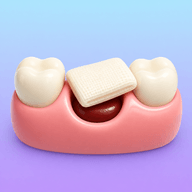
First 24 hours
Protect the clot or grafted socket. Rest, keep your head slightly elevated, and use clean gauze only if instructed.
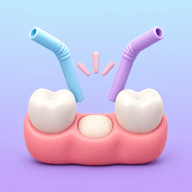
Avoid suction and pressure
Avoid straws, smoking, vaping, tobacco, forceful rinsing, forceful spitting, and probing the site.

Eat soft and cool
Choose soft, cool or room-temperature foods. Avoid sharp, crunchy, seeded, sticky, spicy, or very hot foods early on.

Message us if symptoms change
Message us if pain worsens after day 1, bleeding does not settle, swelling increases, the socket looks empty, or a grafted site worries you.
Cleaning, medicine, travel, and photo triage
Keep the area clean without disturbing the socket, follow medication instructions carefully, and send us useful details if something does not feel right.

Hygiene
- Brush the rest of your teeth gently unless your dentist told you otherwise.
- Do not brush directly over the extraction site at first.
- Do not rinse forcefully, spit forcefully, or poke the socket.
- After the first day, follow your dentist's instructions for rinsing.
- If salt-water rinses were recommended, keep them gentle. Tilt your head instead of swishing hard and let liquid fall out instead of spitting hard.

Medication and health conditions
- Take medication exactly as prescribed or directed by your dentist.
- Do not change the dose, stop antibiotics early, stop blood thinners, or start new medication without checking if you are unsure.
- Tell the clinic before taking anything new if you are pregnant, have allergies, kidney or liver disease, stomach ulcers, diabetes, blood-thinner medication, or another condition that affects medication safety.
- If you use estrogen-containing birth control, smoke, vape, or use tobacco, tell us. These details can change dry socket and healing risk conversations.

Travel and hydration
- If you plan to leave Mexico City or fly soon after your extraction, tell us before treatment or as soon as possible after.
- Same-day travel is not ideal if bleeding is still active, sedation was used, the extraction was complex, or a graft or membrane was placed.
- Sip fluids regularly while healing, especially if you are traveling. Avoid alcohol while symptoms are active or medication instructions limit it.
- Photo review can help us decide next steps, but it does not replace an exam when dry socket, infection, persistent bleeding, or graft problems are possible.

Photo triage
- Send one close-up photo in good light without pulling the cheek open aggressively.
- Send one wider photo showing nearby teeth if you can do that comfortably.
- Send a front-facing photo only if facial swelling is visible.
- Tell us the procedure date, treated side, pain level, whether bleeding is active, whether there is bad taste or odor, and whether you had a graft, membrane, or stitches.
- Do not probe, scrape, or open the site with a tool to get a better photo.
Follow the stage you are on
Start with the section that matches where you are in recovery. If bleeding, swelling, or pain feels severe, check warning signs first.

Protect the clot
The first day is about keeping the extraction site calm. The blood clot works like a natural dressing over the socket. If socket preservation or a graft was placed, the goal is also to avoid disturbing the grafted area.
- Rest as much as possible.
- Keep your head slightly elevated.
- Use clean gauze only if your dentist instructed it.
- Bite gently but firmly on gauze if bleeding starts.
- Swallow saliva gently instead of spitting hard.
- Take medication exactly as prescribed or directed.
- Use a cold pack on the outside of the face if your dentist recommended it.
- Keep your tongue, fingers, and tools away from the socket.
- Choose cool or room-temperature soft foods.
- Try yogurt, applesauce, mashed potatoes, eggs, oatmeal, soft pasta, avocado, or blended soup that is not hot.
- Drink water regularly.
- Use a spoon for smoothies or shakes.
- Do not use a straw.
- Straws.
- Smoking, vaping, or tobacco.
- Alcohol.
- Forceful rinsing or spitting.
- Heavy exercise, heavy lifting, or sports.
- Hot drinks, carbonation, crunchy, spicy, seeded, chewy, sticky, or hard foods.
- Pulling the cheek open or probing the socket to inspect it.
- Light bleeding or pink saliva.
- Mild to moderate soreness.
- Numbness while anesthesia wears off.
- Mild swelling starting.
- A socket that looks uneven, dark, red, pink, or whitish while tissue begins healing.
- Bleeding stays active after firm gauze pressure as instructed.
- Swelling increases quickly.
- Pain feels severe or unusual.
- You have trouble breathing or swallowing.
- Medication causes rash, swelling, or breathing symptoms.

Symptoms should have a direction
Some soreness, swelling, jaw stiffness, or bruising can continue. The key question is whether symptoms are stable or improving. Pain that gets stronger after the first day deserves attention.
- Continue soft foods if chewing feels uncomfortable.
- Keep chewing away from the extraction site.
- Brush your other teeth gently.
- Clean around the area only as instructed.
- Use dentist-approved rinsing only if your dentist told you to start.
- Let water or rinse fall out gently instead of spitting hard.
- Tell us if you plan to travel or fly soon after extraction.
- Stay with soft foods if chewing feels uncomfortable.
- Add soft protein when tolerated, such as eggs, soft fish, yogurt, or blended beans.
- Keep avoiding seeds, chips, nuts, popcorn, crunchy bread, chewy foods, sticky candy, spicy foods, alcohol, carbonation, and straws.
- Smoking, vaping, or tobacco during early healing.
- Heavy exercise if bleeding, swelling, or dizziness continues.
- Looking for the socket with a finger, cotton swab, toothpick, or tool.
- Stopping blood thinner, antiplatelet, antibiotic, or other prescribed medication on your own.
- Swelling that feels stronger than day 0.
- Jaw stiffness.
- Bruising.
- Soreness when opening wide.
- Mild bad taste that does not come with worsening pain.
- Pain gets stronger after day 1 instead of improving.
- Pain spreads toward the ear, eye, temple, or neck.
- The socket looks empty and pain is increasing.
- You notice a strong bad taste or odor with increasing pain.
- Bleeding becomes heavy again.
- You feel feverish, see pus, or feel unwell.

You should trend better
By days 4-7, many patients feel improvement. The socket may still look open or uneven, and soft healing tissue can look white, pink, or red. Appearance matters most when symptoms are getting worse.
- Keep chewing away from the extraction site.
- Return to normal foods slowly as comfort improves.
- Continue cleaning carefully without poking the socket.
- Follow any scheduled review appointment.
- Ask before using an irrigating syringe or cleaning tool if you were not given one.
- Message us if food keeps trapping and gentle cleaning does not help.
- Add softer solid foods when chewing feels comfortable.
- Cut food into smaller pieces.
- Avoid chips, nuts, seeds, popcorn, crusty bread, hard candy, sticky candy, chewy foods, and tough meat.
- Stop and go back to softer food if chewing increases pain.
- Gradual soreness.
- A socket that still looks open.
- Soft white, pink, or red healing tissue.
- Mild jaw stiffness.
- Tenderness while chewing.
- Stitches that feel noticeable if they were placed.
- Pain gets worse instead of better.
- Pain spreads toward the ear, eye, temple, or neck.
- Bad taste or bad smell appears with increasing pain.
- Swelling gets worse after day 3 or 4.
- You notice fever or pus.
- You think you see exposed bone and pain is increasing.

Healing continues under the surface
Feeling better does not always mean the socket is fully healed. Many patients feel much better after the first week, while gum and bone healing continue under the surface.
- Keep the area clean as instructed.
- Return to more normal chewing gradually.
- Keep hard or sharp foods away from the socket if it still feels tender.
- Attend follow-up if one was scheduled.
- Tell us if food keeps trapping in the socket.
- Tell us if you are leaving Mexico City and still have symptoms.
- Mild tenderness.
- A healing socket that looks different from the surrounding gum.
- Occasional food trapping.
- Stitches dissolving or loosening if dissolvable stitches were used.
- Slow remodeling after a surgical extraction or graft.
- Pain is not improving.
- Swelling returns or increases.
- You notice pus, fever, bad smell, or bad taste.
- Your bite feels different and uncomfortable.
- Numbness, tingling, or altered sensation persists or worries you.
- You had socket preservation and the area looks or feels unstable.

Treat grafted sockets more carefully
Socket preservation, bone graft material, membranes, PRF, or PRP can make the area look and feel different from a simple extraction. Do not disturb the site to check it closely. If something worries you, send a photo instead.
- Follow the exact instructions your dentist gave you for the grafted area.
- Keep your tongue, fingers, toothbrush bristles, and tools away from the grafted socket.
- Use any rinse, syringe, or cleaning tool only if you were instructed to use it.
- Keep the follow-up appointment for implant or graft review if one was scheduled.
- Send a clear photo if the site looks unusual, but do not pull the cheek open aggressively.
- Trying to remove graft particles or membrane material.
- Digging out food or tissue with a tool.
- Smoking, vaping, or tobacco while the graft is healing.
- Assuming loose particles are always normal or always unsafe without checking.
- A grafted site may look different from a simple extraction socket.
- Some tissue can look white, pink, or red while healing.
- Stitches or membrane edges may feel noticeable.
- You see material coming out and are not sure whether it is graft, tissue, or food.
- The area feels unstable or opens suddenly.
- Pain, bad taste, bad smell, fever, or swelling is increasing.
- You are traveling soon and cannot return easily for review.
What to eat after tooth extraction and what to avoid
Start soft and simple. Food should help you recover, not test the socket. The goal is to avoid heat, suction, sharp edges, seeds, pressure, and anything that can disturb the clot or graft.

Yogurt.
Cool, smooth, and easy to swallow.

Applesauce.
Soft texture without chewing pressure.

Mashed potatoes.
Filling, gentle, and easy to control.

Scrambled eggs.
Soft protein when chewing feels comfortable.

Oatmeal.
Use warm, not hot, and keep it smooth.

Soft pasta.
Small bites with minimal chewing force.

Avocado.
Soft healthy fat, mashed or sliced gently.

Smoothies without a straw.
Drink from a cup or use a spoon.

Blended soups that are not hot.
Smooth and nourishing without heat.

Soft fish.
Tender protein once chewing improves.

Pureed fruit.
Smooth sweetness without seeds.

Soft cooked vegetables.
Easy to mash and less likely to scrape.

Straws.
Suction can disturb the clot.

Chips.
Sharp edges can scrape the socket.

Nuts.
Hard pieces can get trapped.

Seeds.
Small particles can irritate the area.

Popcorn.
Hulls can lodge near the socket.

Crunchy bread.
Crust can scratch and needs force.

Hard or sticky candy.
Pressure and pulling can disturb healing.

Spicy foods.
Can sting while tissue is tender.

Very hot drinks.
Heat can feel irritating and may worsen bleeding early.

Alcohol.
Can interfere with healing or medication.

Carbonated drinks.
Bubbles may feel irritating early.

Tough meat.
Requires too much chewing force.

Chewing directly over the extraction site.
Adds pressure where the socket is healing.
Eating by stage
Day 0: Cool or room-temperature soft foods. No straw, no hot liquids, and no crunchy, chewy, sticky, seeded, or spicy foods.
Days 1-3: Stay soft. Add gentle protein if tolerated and keep chewing away from the extraction site.
Days 4-7: Return slowly as comfort improves. Go back to softer foods if chewing increases pain.
Grafted sockets: Keep the area conservative until your dentist clears you. Do not test the graft with chewing pressure.

Dry socket, graft concerns, and warning signs
Contact hisonrisa promptly, or seek urgent medical care if symptoms feel severe or unsafe.
- You have trouble breathing.
- You have trouble swallowing.
- Facial, jaw, or neck swelling is spreading quickly.
- Bleeding does not slow with firm pressure as instructed.
- You feel seriously ill.
- You have swelling of the lips or tongue, rash, wheezing, or breathing symptoms after medication.
- Pain gets stronger after day 1 instead of improving.
- Pain spreads toward the ear, eye, temple, or neck.
- The socket looks empty and pain is increasing.
- You notice strong bad taste or bad smell with increasing pain.
- Swelling gets worse after day 3 or 4.
- You have fever or see pus.
- Bleeding restarts heavily.
- Food feels trapped and gentle cleaning does not help.
- You had socket preservation or a graft and the site looks unstable, opens suddenly, or worries you.
- Numbness or tingling persists or worries you.
Common questions after tooth extraction
Clear answers for the first week after a simple dental extraction, surgical extraction, or socket preservation visit.
Choose cool or room-temperature soft foods. Yogurt, applesauce, mashed potatoes, eggs, oatmeal, soft pasta, avocado, and smoothies without a straw are usually easier options.
Light oozing or pink saliva can happen during the first day. Bleeding that stays active after firm gauze pressure as instructed should be reviewed quickly.
Dry socket may cause pain that gets stronger a few days after extraction, pain that spreads toward the ear, eye, temple, or neck, bad taste, bad smell, or an empty-looking socket. Message the clinic if this happens.
A healing socket can look uneven, white, pink, or red while tissue forms. Appearance alone is not enough to diagnose a problem. Appearance plus worsening pain, bad taste, bad smell, fever, pus, or increasing swelling should be checked.
Yes, brush the rest of your teeth carefully unless your dentist told you otherwise. Avoid brushing directly over the extraction site at first, and follow your dentist's instructions for when to clean closer to the area.
Do not rinse forcefully during the first 24 hours. After that, follow your dentist's instructions. If rinsing is recommended, keep it gentle and let the liquid fall out instead of spitting hard.
Avoid straws during early healing because suction can disturb the blood clot. If a graft or membrane was placed, follow your dentist's timing before resuming straws.
Smoking, vaping, and tobacco can interfere with clot stability and healing. Avoid them during early recovery and follow your dentist's exact timing, especially if your extraction was surgical or grafted.
A grafted socket may look different from a simple extraction site and may need more conservative handling. Do not probe it, dig at it, or try to remove particles. Send us a photo if the site looks unusual or feels unstable.
Do not dig with a tool. Follow your dentist's cleaning instructions. If gentle cleaning does not help, or pain and bad taste are increasing, message us.
Rest the day of the extraction. Avoid strenuous exercise, heavy lifting, or sports while bleeding, swelling, or dizziness continues. Complex extractions, grafts, or sedation may require a longer pause.
It depends on the extraction, bleeding, swelling, sedation, and whether a graft or membrane was placed. Tell us your travel dates before treatment or message us if you need to leave Mexico City soon after your visit.
Tell us before treatment and in any aftercare message. Do not stop prescribed blood thinners or antiplatelet medication on your own unless your dentist or physician tells you to.
Yes. Send one close-up photo in good light, one wider photo showing nearby teeth if comfortable, and a front-facing photo if swelling is visible. Do not probe or pull the area open aggressively for the photo.
Message us if bleeding does not settle, pain gets stronger after day 1, pain spreads toward the ear or temple, swelling worsens, fever or pus appears, the socket looks empty with increasing pain, or a grafted site worries you.

Dra. Natalia Vazquez
Clinically reviewedThis page is general aftercare guidance and does not replace your dentist's instructions for your specific case.