








Facial swelling with tooth pain needs prompt assessment. If you’re in Mexico City, seek emergency medical help now if you have any of these signs:
- Breathing, speaking or swallowing is difficult.
- Your eye is swollen or painful, or your vision has suddenly changed.
- There is substantial swelling inside your mouth.
- You have difficulty opening your mouth.
Go to a hospital emergency department or call 911. Don’t wait for an online appointment request to be answered. These warning signs follow NHS dental abscess guidance, with the emergency contact adapted for Mexico.
Without those signs, a suspected dental infection still needs urgent dental care. Their absence doesn’t establish that it’s safe to wait. For help arranging urgent dental assessment in Mexico City, contact a dental clinic and explain that you have facial swelling as well as tooth pain.
When you can’t reach a dentist
If you have fever together with facial swelling and cannot reach a dentist, seek care at an emergency department. Mayo Clinic’s abscess guidance identifies this situation as a reason to seek emergency medical care. You don’t need to wait for fever to develop if you already have the warning signs above.
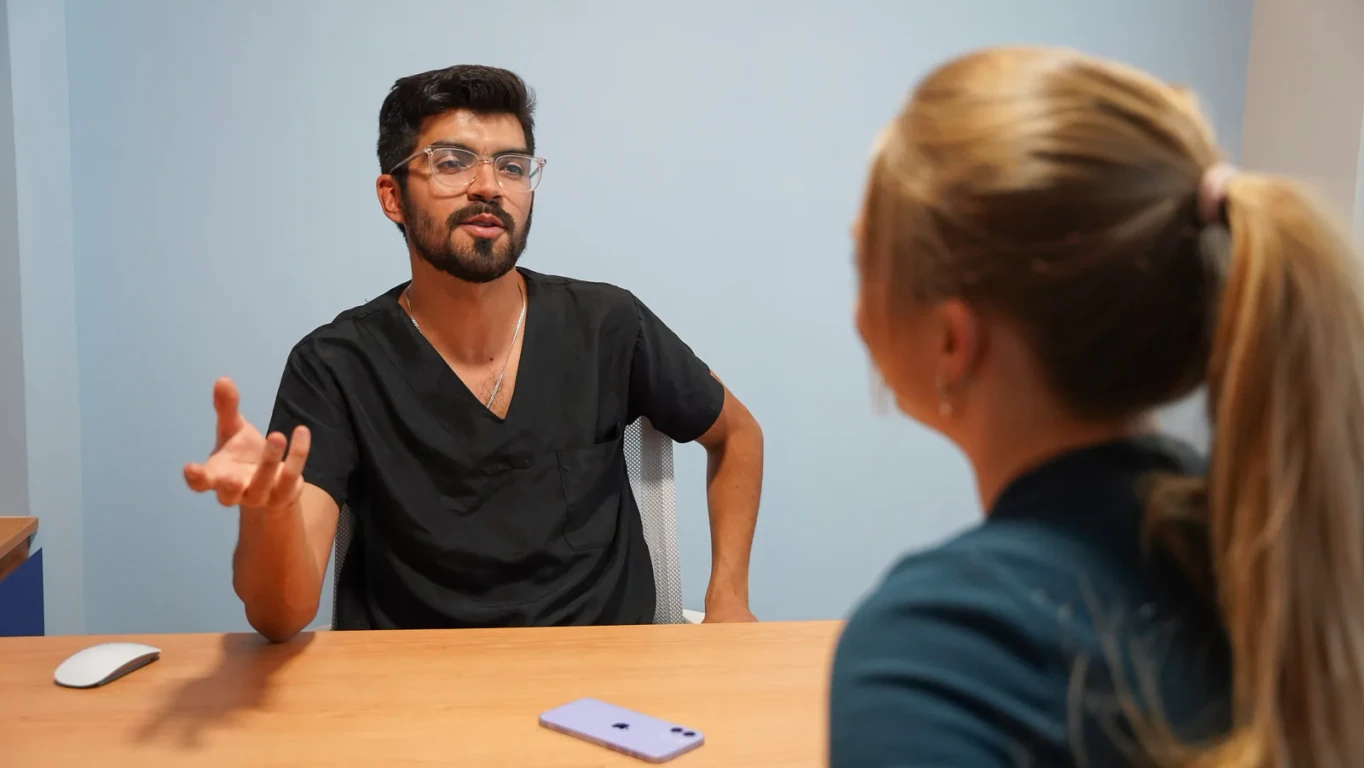
Sending a message requests contact with the clinic; you still need a clinical assessment. When describing symptoms, say what has changed since they began. Tell the person responding about problems breathing, swallowing, speaking, seeing or opening your mouth rather than describing the problem only as a toothache. Don’t delay emergency care to take photographs or collect records.
What swelling can mean
A dental infection is one possible explanation. A tooth abscess is a collection of pus associated with infection; problems involving a tooth or the gums can cause swelling. Symptoms alone cannot establish its source or identify the treatment you need.
Tell the dentist about any broken tooth, lost restoration or previous treatment in the area. Those details belong in the history; they don’t confirm why your face is swollen. If a tooth has recently broken, our Mexico City guide to a broken tooth or crown covers that separate problem. Facial swelling still needs its own assessment.
The amount of pain alone cannot tell you how serious the problem is. The American Association of Endodontists explains that an abscessed tooth can hurt or cause no pain. Similarly, drainage and a drop in pain don’t prove that the underlying infection has cleared. You still need assessment when symptoms change.
What an examination can establish
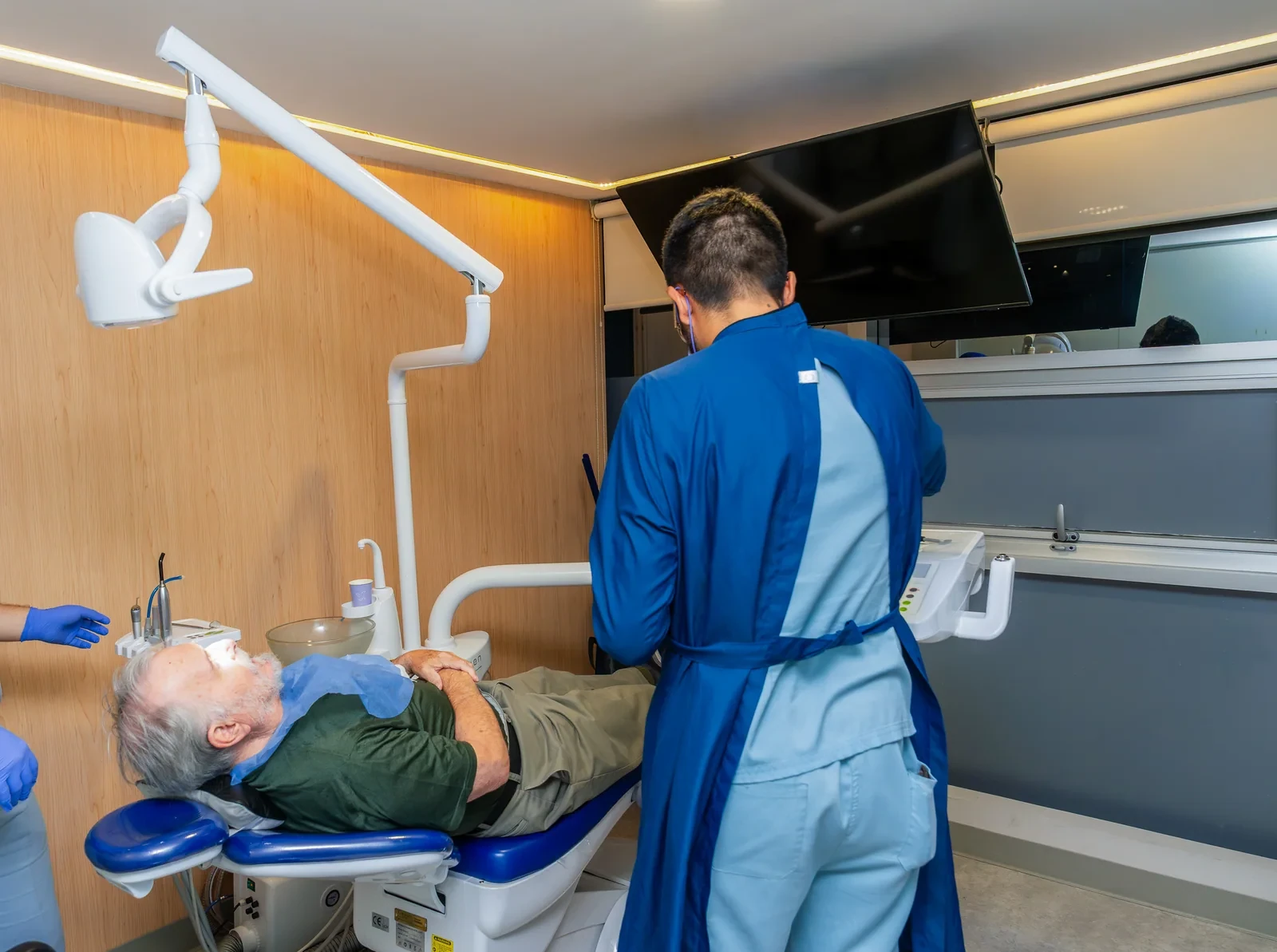
The dentist needs to examine you and consider your symptoms and health history. Imaging may be appropriate depending on the findings. A phone photograph can show a visible change, but it cannot provide the examination needed to decide what is happening beneath a tooth or which treatment is suitable.
The purpose of an emergency dental assessment is to establish the next appropriate step. Before agreeing to treatment, ask what the examination showed, what remains uncertain and whether additional evaluation is needed. If you’re visiting, tell the dentist when you expect to leave so that the discussion includes follow-up arrangements.
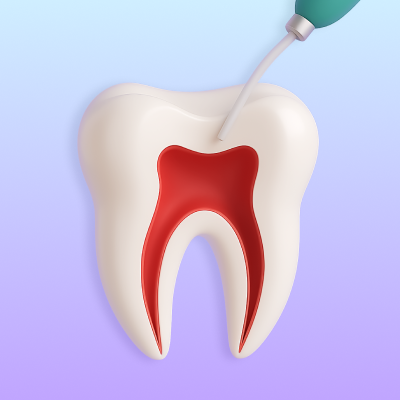
When an abscess is diagnosed, possible treatment includes drainage, root canal treatment or extraction, depending on the cause and findings. Mayo Clinic describes these as treatment options, not a procedure that can be selected from a symptom description. The dentist needs to assess you before discussing a specific treatment or whether the tooth can be saved.
Why antibiotics need an individual decision
Antibiotic decisions depend on the clinical situation. Spreading infection, illness affecting the body more broadly and a weakened immune system can change what a clinician recommends. Facial or neck swelling may itself indicate spread. A lack of fever does not establish that antibiotics are unnecessary. SDCEP’s acute abscess guidance makes these distinctions.
The ADA guideline prioritizes dental treatment for specified tooth-related conditions in adults with a normally functioning immune system. Those recommendations apply to a defined group; they cannot be applied to everyone with a swollen face. A clinician must assess whether antibiotics are appropriate alongside treatment of the source. This article cannot tell you to start, stop or change a prescription.
While you’re arranging care
For comfort, choose soft foods, clean gently with a soft toothbrush and avoid food or drink at temperature extremes. These measures do not treat the source of an infection or provide a reason to postpone care. If breathing or swallowing is difficult, follow the emergency guidance above rather than trying these measures.
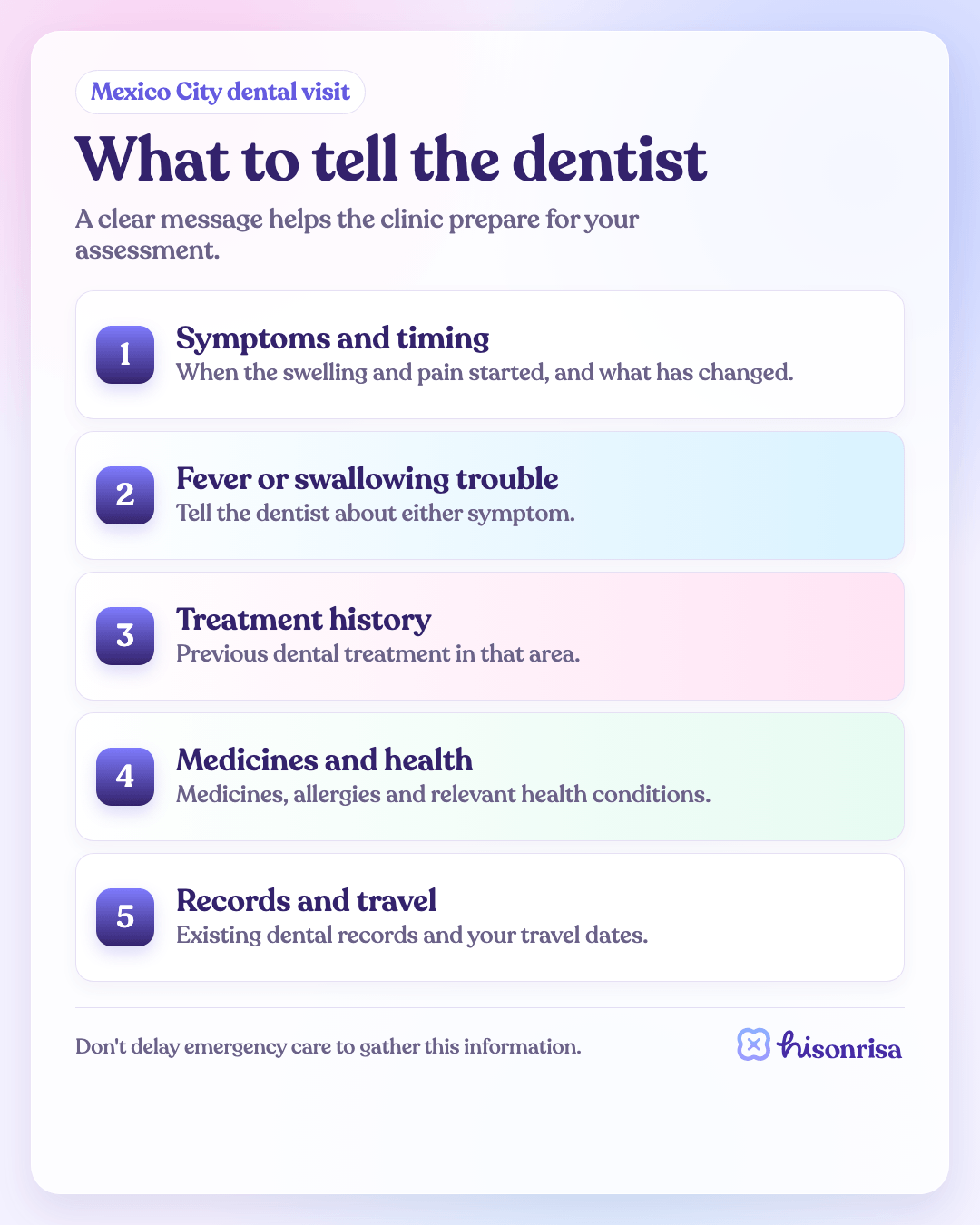
Keep your description of the problem simple and specific. A short account of when swelling started and how it has changed is more useful than trying to name a diagnosis yourself. You can prepare the following if they are readily available:
- When and where the pain and swelling began, and what has changed.
- Any fever or difficulty with ordinary functions such as swallowing.
- Previous dental treatment in that area.
- Your medicines, allergies and relevant health conditions.
- Existing dental records and your travel dates.
Collecting this information should not hold up appropriate care. If you don’t have records with you, explain that when you contact the clinic rather than waiting for someone to send them.
Arranging an assessment in Mexico City
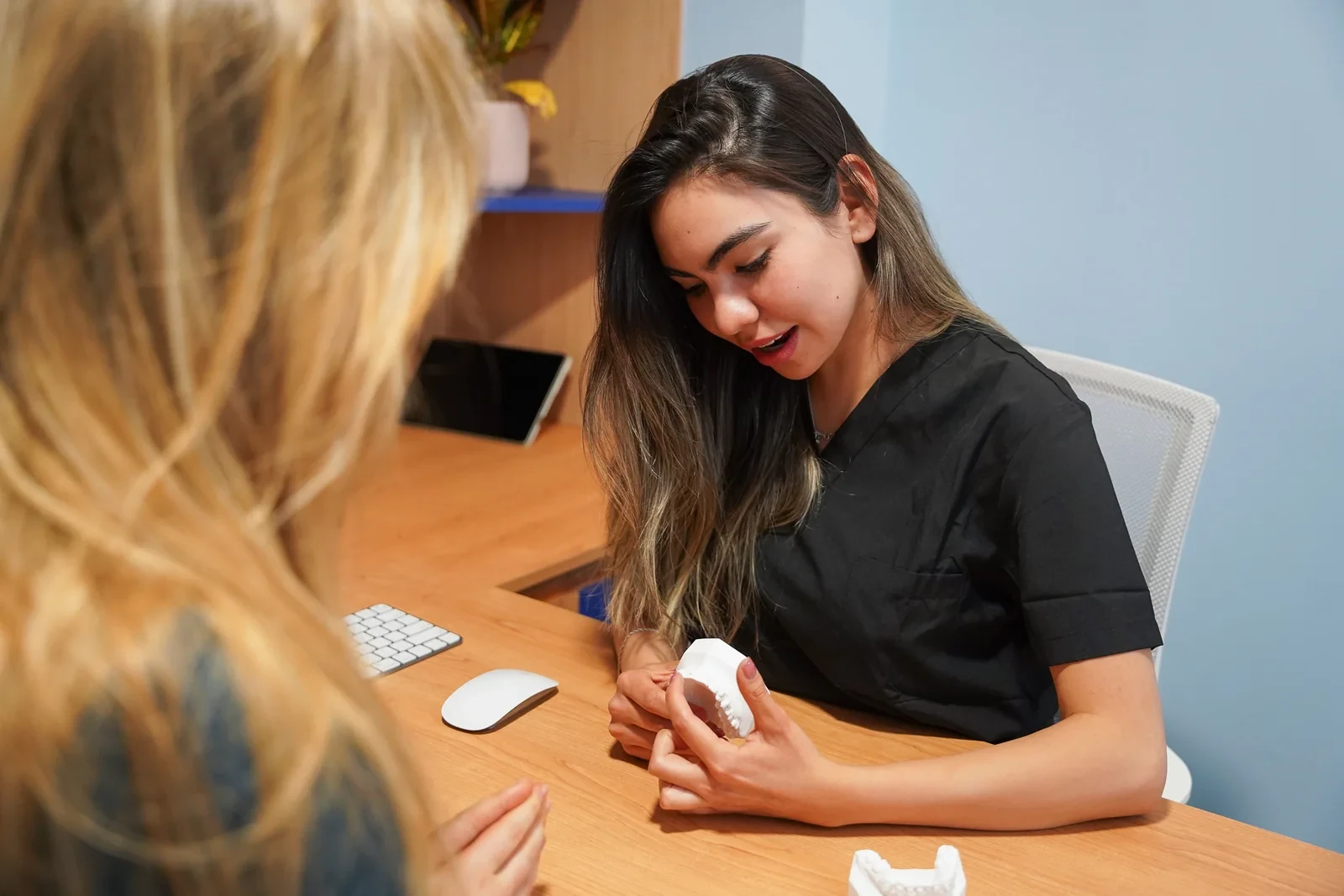
hisonrisa is in Roma Sur, Mexico City, and communication is available in English and Spanish. Care is by appointment; availability must be confirmed. Include the facial swelling when describing your symptoms.
If you’re away from your usual dentist, you can also ask how to share existing records and how any follow-up would be organized. Our English-speaking dentist guide for expats in Mexico City addresses language and ongoing-care questions. It doesn’t replace assessment of the swelling you’re experiencing now.
For a dental appointment request, use book an appointment and confirm availability with the clinic. If your symptoms call for emergency medical care, use that route immediately. Don’t wait for a booking reply when you need emergency care.
Questions about facial swelling and tooth pain
Does facial swelling with tooth pain always mean an abscess?
No. An abscess is a possible cause, but these symptoms don’t establish a diagnosis. Examination is needed to assess their source. Avoid choosing a treatment based on how the swelling looks in a mirror or photograph.
When should I go to a hospital instead of waiting for a dentist?
Use the medical-emergency signs at the beginning of this article. Fever with facial swelling also calls for emergency-department care when you cannot reach a dentist. The list cannot rule out other urgent problems or clear you to wait.
Do I still need treatment if the swelling drains or the pain gets better?
An abscess still needs dental treatment after it drains. Relief can change how it feels without resolving the source of infection. Tell the dentist about the drainage and symptom change when seeking assessment.
Will antibiotics alone fix facial swelling from a tooth infection?
They don’t replace assessment and treatment of the source. Whether you need antibiotics depends on the findings, including possible spread and your health. The treating clinician should make that decision; absence of fever isn’t enough to decide against them.
Can a photo tell a dentist what treatment I need?
A photo may help you communicate a visible change. It cannot replace an in-person examination or any imaging the dentist considers necessary, and it cannot establish which procedure you need.
How can I arrange urgent dental assessment in Mexico City?
Contact a dental clinic, describe both the swelling and tooth pain, and confirm appointment availability. hisonrisa offers communication in English and Spanish in Roma Sur. If you have medical-emergency signs, seek medical help without waiting for a clinic reply.
This article provides general dental information. It does not replace an in-person dental evaluation, diagnosis, or any imaging and further review a dentist considers necessary.