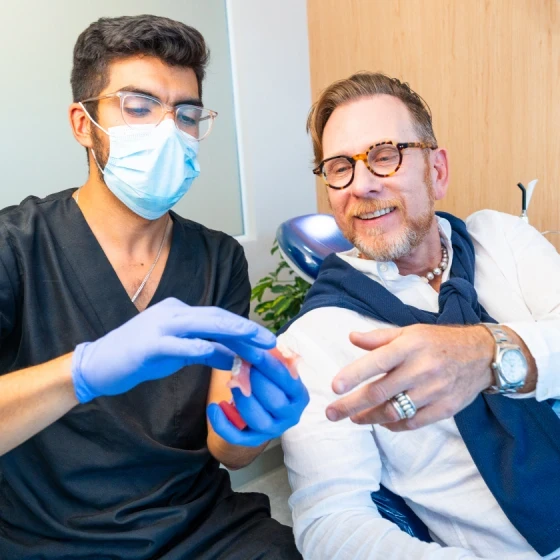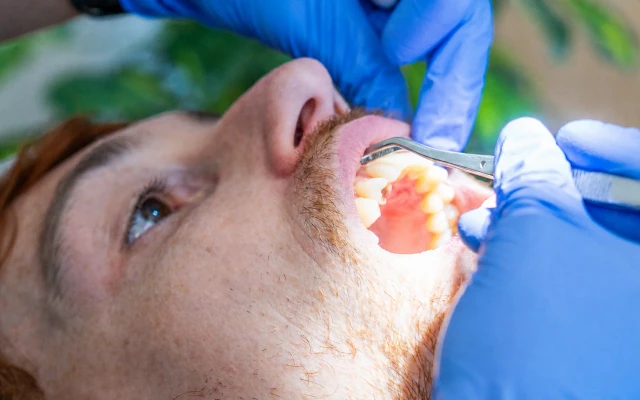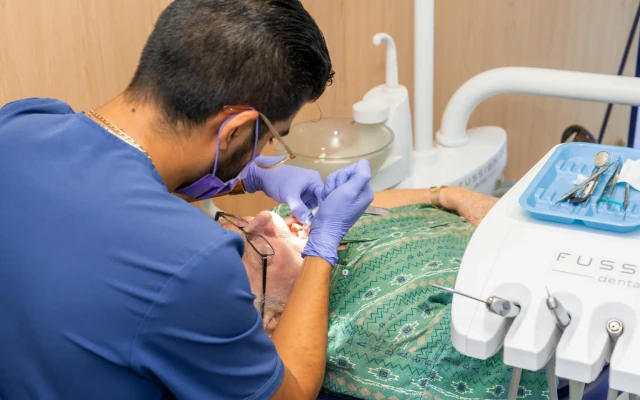

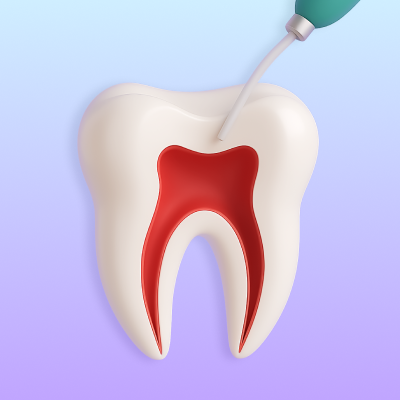

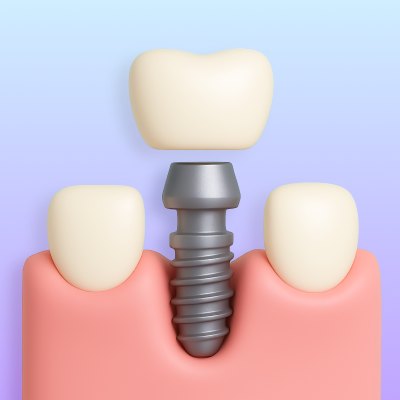
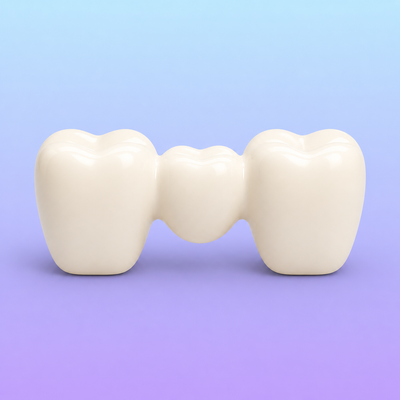
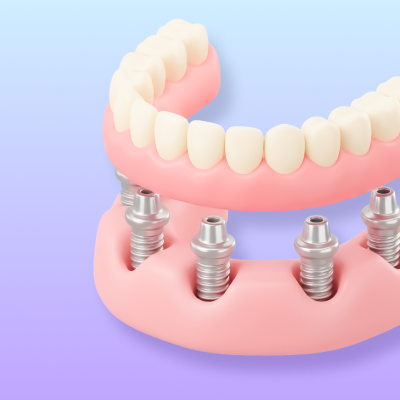






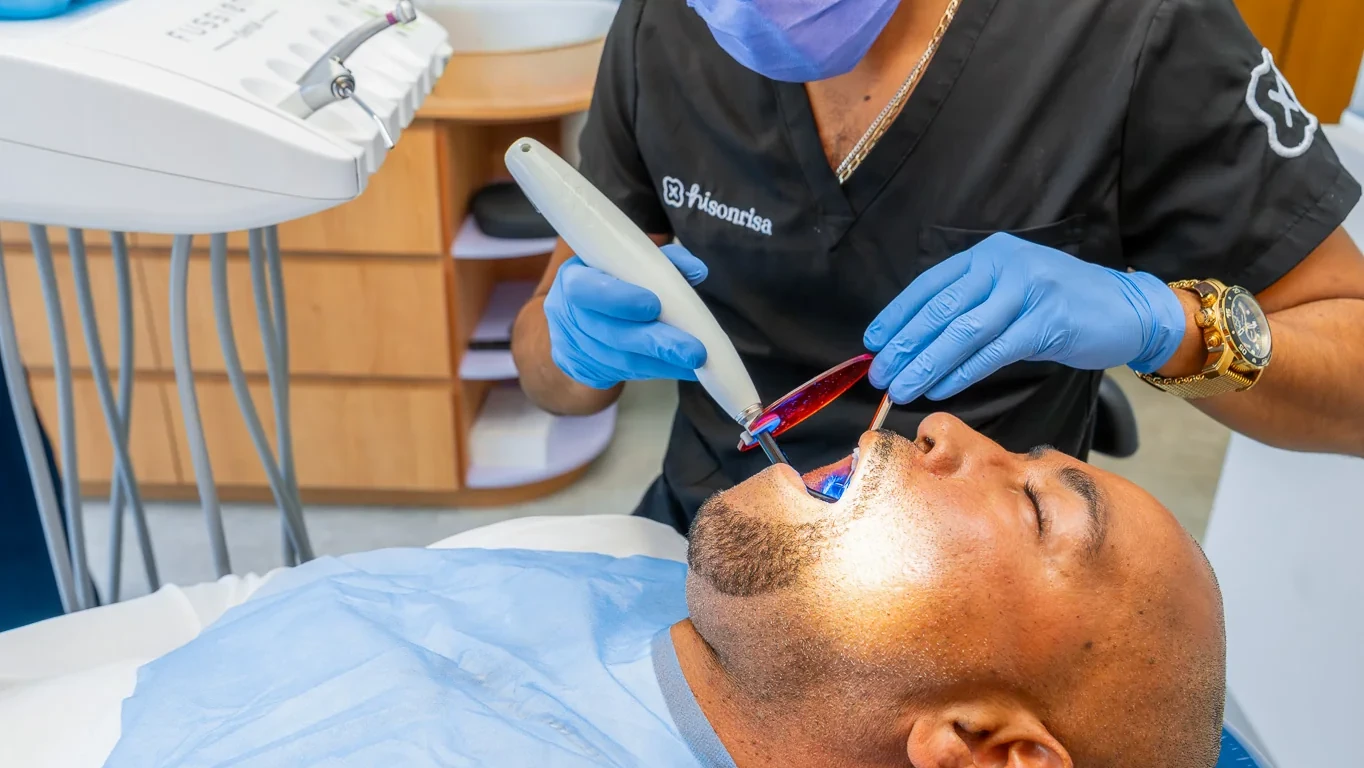
If your filling fell out, broke, or cracked, avoid chewing on that side, keep the area gently clean, and arrange a dental examination. If you are in Mexico City, you can request a restorative evaluation after a filling comes out to find out what happened and what the tooth needs.
A failed filling is not automatically a hospital emergency, but it should not be ignored. A mirror or phone photo cannot show whether only the filling was lost or whether the tooth also has decay, a fracture, a crack, or damage closer to the nerve. The examination is what separates those possibilities.
For travelers in CDMX and English-speaking patients around Roma Sur, the same principle applies: protect the tooth now, pay attention to symptoms, and share useful details when you book.
What to do until the tooth is examined
The safest goal is to reduce irritation and loading without attempting a home repair.
- Use the other side for chewing. Avoid hard, crunchy, or sticky foods on the affected side while the tooth is being evaluated.
- Clean the area gently. Brush carefully and rinse after eating so food is less likely to collect around the open space. Do not poke or scrub the area.
- Avoid your symptom triggers. If very hot, cold, or sweet foods make the tooth hurt, leave them out until you have been examined.
- Do not rebuild the filling yourself. Do not use household glue, file the tooth, force material into the space, or place aspirin against the tooth or gum.
If you are considering a temporary dental product because you cannot reach a dentist promptly, ask a dentist or pharmacist what is appropriate rather than following a generic placement tutorial.
For pain, an over-the-counter option you normally tolerate may help briefly. Follow the product label and ask a pharmacist or clinician if you are unsure what is safe for you. Pain relief does not identify or treat the reason the filling failed.
Which symptoms need faster attention?
The urgency depends more on symptoms and circumstances than on the missing filling alone.
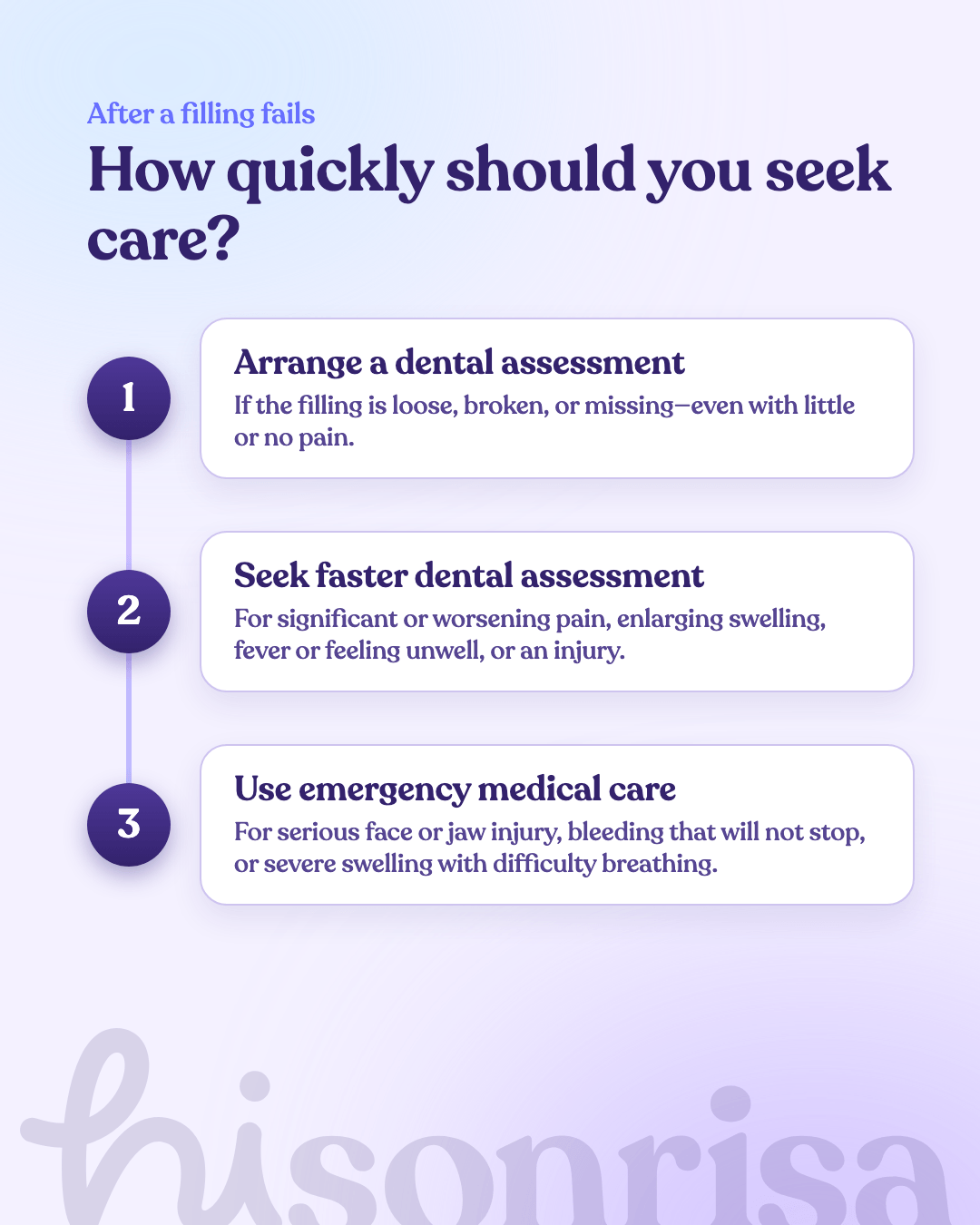
Arrange a prompt dental assessment if the filling is loose, broken, or missing, even when there is little or no pain. The dentist can check whether the remaining tooth is stable and whether the problem is limited to the restoration.
Seek faster urgent dental assessment for significant or worsening pain, enlarging swelling, fever or feeling unwell, or when the filling failed during an injury. In Mexico City, those concerns are better routed through an urgent dental evaluation than left for an open-ended routine visit.
Use emergency medical care for serious injury to the face or jaw, heavy bleeding from the mouth that will not stop, or severe swelling of the mouth, lips, throat, or neck with difficulty breathing.
Antibiotics are not the routine answer for most localized dental pain or swelling; professional guidance prioritizes dental treatment, while fever or malaise can change the assessment. Do not self-start leftover antibiotics.
If the lost material was a temporary seal placed during active root canal treatment, contact the dentist treating that tooth promptly. That situation needs instructions based on the treatment already underway.
Why a filling can fail
A filling may loosen or break because the material has worn, its bond has failed, decay has developed around it, or part of the tooth has fractured. Heavy bite forces and cracks can also affect what remains. Those are possibilities, not conclusions that can be drawn from symptoms or a photo.
This distinction matters because “my filling fell out” describes what the patient noticed, not the diagnosis. Two teeth can look similar in a phone photo and need different care after examination.
What the dentist needs to check
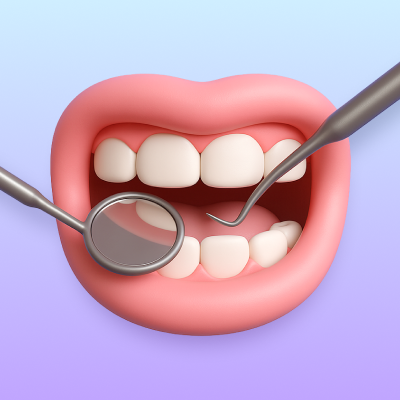
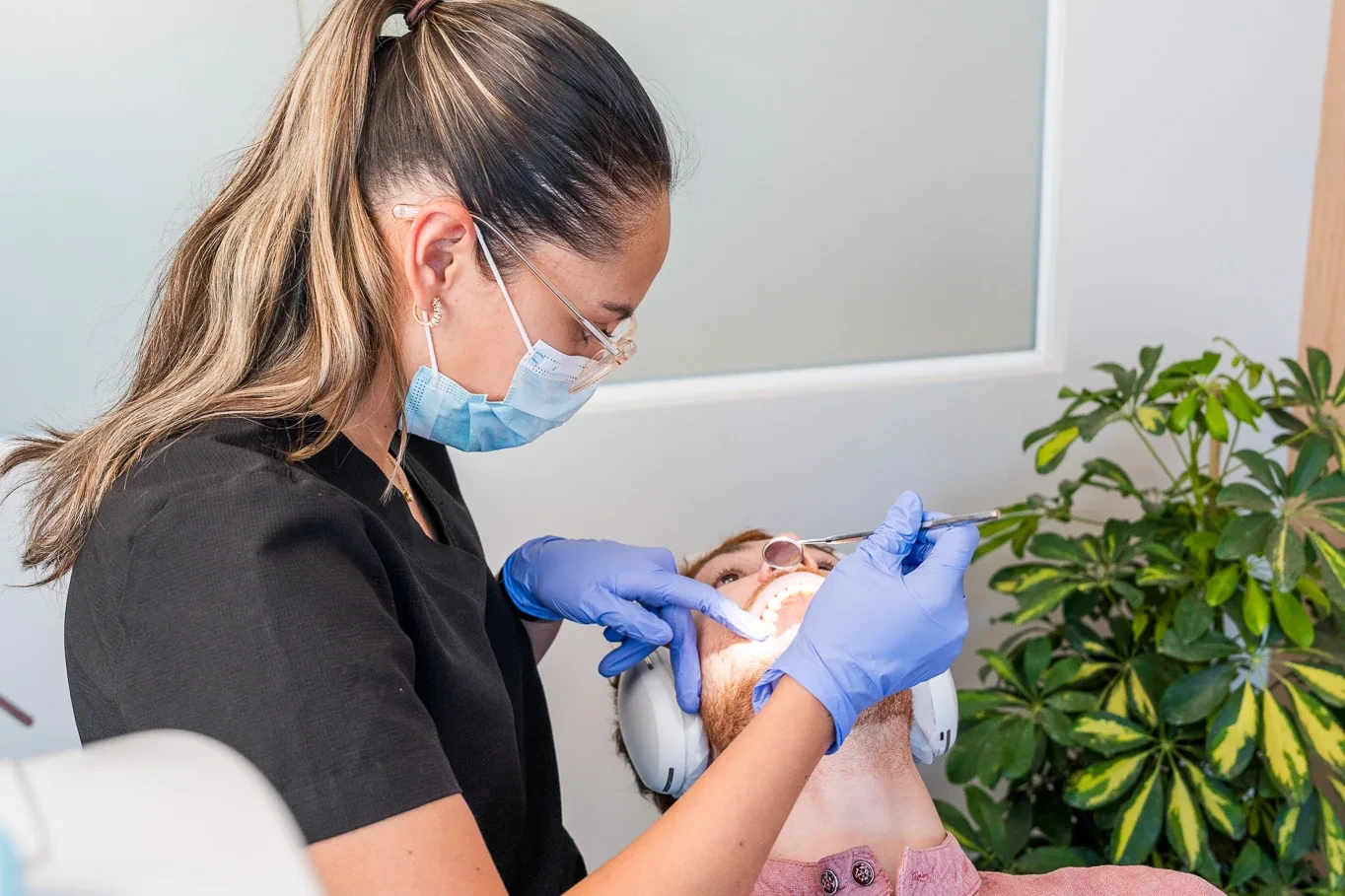
The examination is designed to answer practical questions:
- Was only restorative material lost, or did tooth structure break as well?
- Is decay present around or beneath the previous restoration?
- Is there evidence of a crack, and where does it extend?
- How much sound tooth structure remains?
- How do the tooth’s location and bite load affect the restoration plan?
- Do the symptoms or clinical tests suggest that the pulp—the tissue containing the tooth’s nerve and blood supply—needs further evaluation?
- Would an X-ray or other imaging add useful information?
These questions require clinical review. Dental imaging is not automatic: current recommendations say it should be justified by the patient’s history, examination findings, existing images, and individual risk.
A clear photo can still help a clinic understand what is visibly happening and prepare for the visit. It cannot establish the diagnosis, the extent of a crack, the condition of the pulp, or whether the tooth can be predictably restored.
What treatment may be discussed after the examination
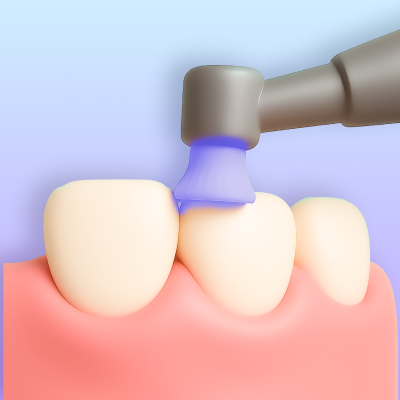
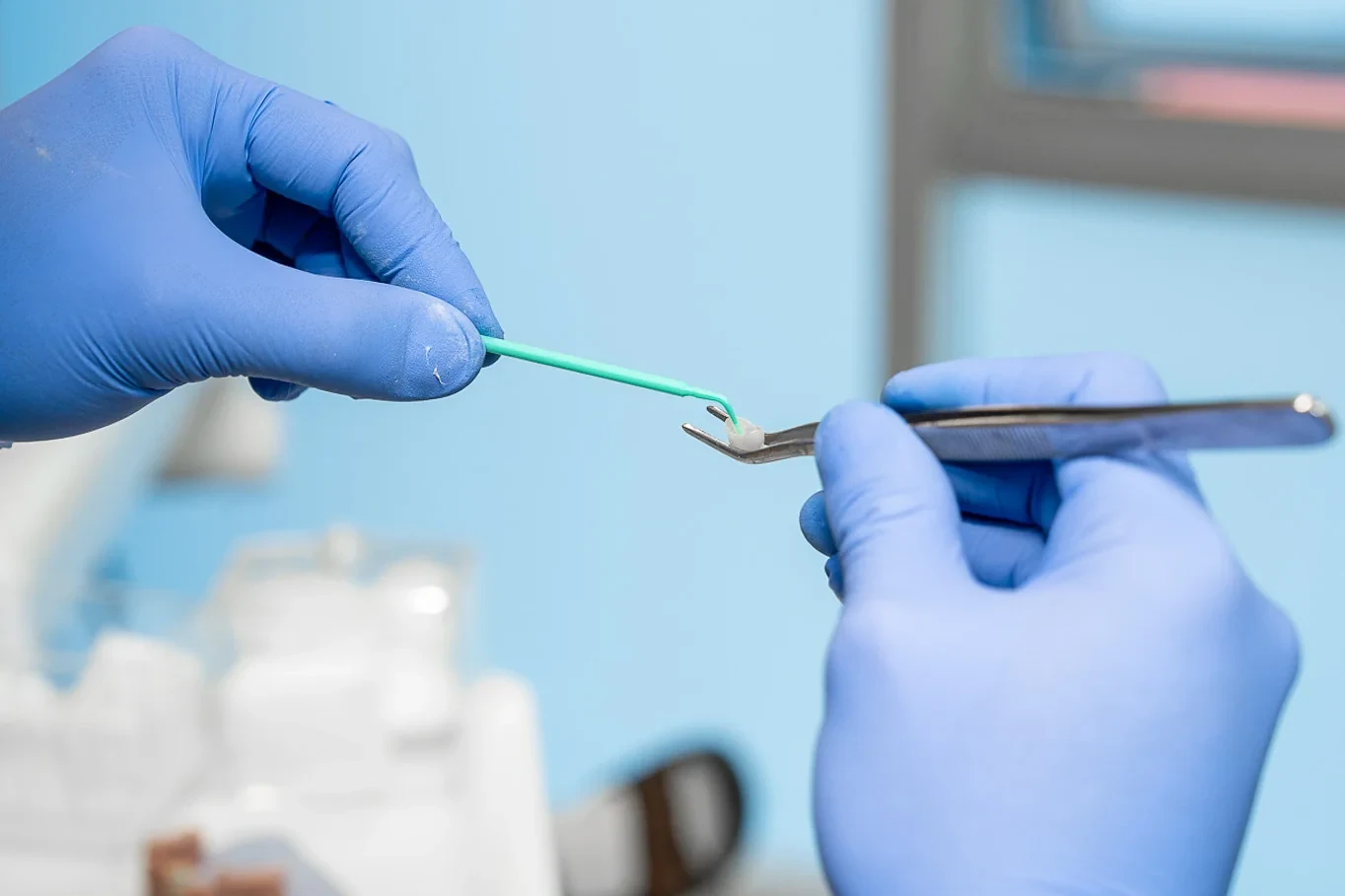
The dentist may find that a repair or another direct filling is reasonable. When more tooth structure has been lost, a restoration that covers and protects more of the tooth may be considered. If the pulp appears involved, endodontic evaluation may enter the plan. Some teeth need specialist review, and some cannot be predictably restored.
These are branches, not predictions. Research comparing repair with complete replacement of defective direct restorations has not shown a statistically significant difference in failure risk, but the evidence is limited and of very low certainty. It does not support choosing either option before the tooth is examined.
The final treatment category and quote follow from the findings. This article does not replace the full procedure, candidacy, or pricing information on the composite dental fillings service page.
Visiting Mexico City? Send these details before booking
If the filling fails during a trip, good intake information can make the first contact more useful. Send what you know:
- When the filling came out, broke, or started feeling loose. Use the exact date if you know it.
- Your current symptoms and whether they are stable or worsening.
- Clear photos, if you can take them comfortably.
- Recent relevant X-rays or dental records, if available.
- What treatment that tooth has had before, if you know.
- Your departure date or how much time remains in CDMX.
- Relevant medical conditions, medications, allergies, or pregnancy.
Previous images can help the dentist understand the history, but the examining dentist decides whether new imaging is clinically useful. Travel dates help with planning; whether treatment can be completed before a flight or in one visit still depends on the examination and clinical findings.
When describing symptoms, concrete details are more useful than trying to name the diagnosis. Note whether the discomfort happens without a trigger, when you bite, or with temperature; whether it settles quickly or lingers; and whether anything has changed since the filling failed. If swelling is present, say where it is and whether it is increasing. This helps the clinic understand urgency without pretending that a message can replace the exam.
Frequently asked questions
Is a filling that fell out always an emergency?
No. A filling that is broken, loose, or missing needs prompt dental assessment, but it is not automatically a hospital emergency. Significant or worsening pain, enlarging swelling, fever or malaise, or dental trauma call for faster professional assessment. Serious facial or jaw injury, uncontrolled heavy oral bleeding, or severe mouth or neck swelling with difficulty breathing requires emergency medical care.
Can a dentist repair the filling, or does it need replacement?
Either may be possible. The dentist needs to determine why the restoration failed, whether decay or tooth fracture is present, and how much sound structure remains. Evidence comparing repair and replacement is limited and of very low certainty, so it does not establish one universal choice.
Should I stop chewing on that side until the tooth is examined?
Yes. Using the other side reduces load on the affected tooth while you wait for an assessment. Avoid hard, crunchy, or sticky foods on that side.
Can photos show whether I need a new filling, crown, or root canal?
No. Photos can support intake, but they cannot establish crack extent, pulp status, restorability, or the final treatment. Those decisions require an examination and, when clinically indicated, imaging.
What should I send before booking if I am visiting Mexico City?
Send when the filling failed, your symptoms and whether they are changing, photos if available, recent relevant X-rays or records, previous treatment details, your remaining time in Mexico City, and relevant medical information.
Request an examination in Roma Sur
If your filling fell out, broke, or cracked while you are in Mexico City, you can request an examination at hisonrisa in Roma Sur. The clinic is at Tepic 139-706 in Cuauhtémoc and supports patients in English and Spanish. Share your symptoms, dates, and any useful photos or records when you contact the clinic. Appointment availability must be confirmed.
This article provides general dental information. It does not replace a dental evaluation, diagnosis, or imaging or clinical review when a dentist determines they are needed.