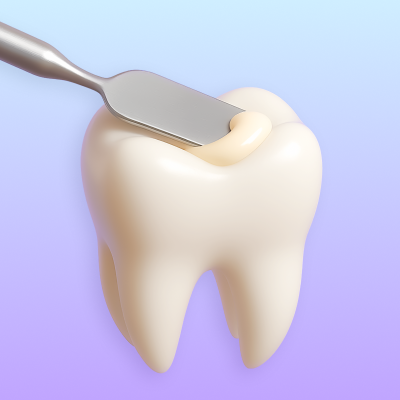
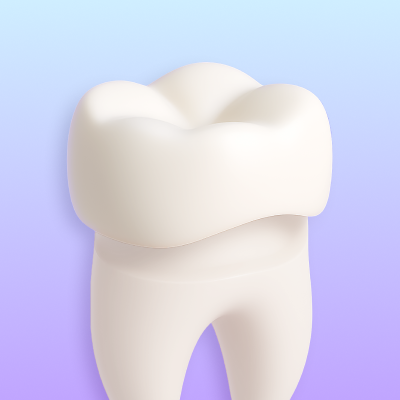






If an inlay or onlay falls out, keep the restoration if you can find it, avoid chewing on that tooth, and arrange a dental examination. Do not glue it back or force it into place. The piece may look intact, but its fit and the condition of the tooth cannot be judged safely at home.
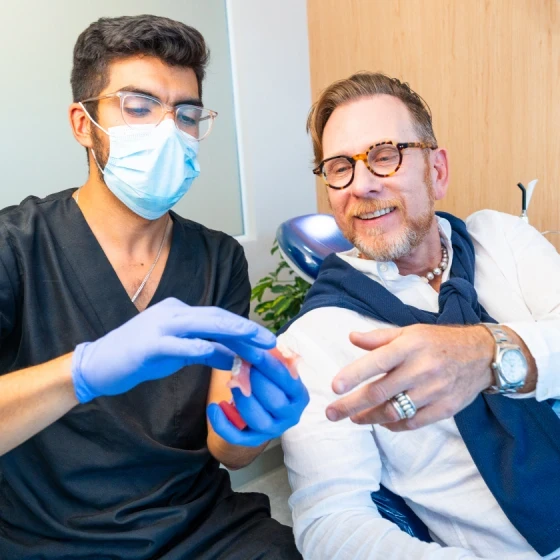
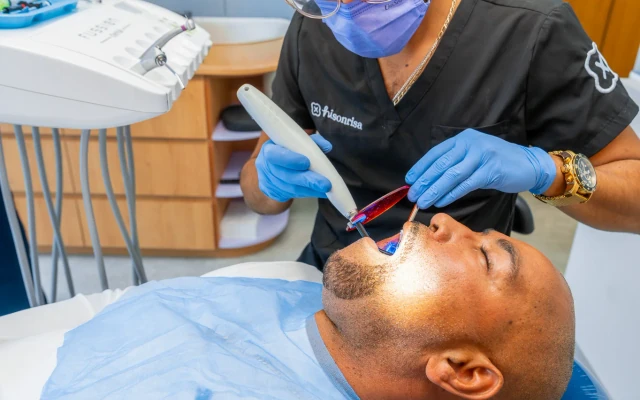
If your restoration has come out while you are in Mexico City, start with an inlay or onlay evaluation. The dentist needs to examine both the tooth and the detached piece before discussing repair.
What to do right away
First, remove the loose piece from your mouth if you can do so without forcing it. This helps keep it from being lost, swallowed, or damaged. Place it in a small, clean container and bring it to the dentist. Do not add a storage liquid unless a dentist instructs you to.
Until the tooth is examined:
- Avoid chewing on that side.
- Choose foods that do not require hard or sticky chewing.
- Continue cleaning the area gently rather than ignoring it.
- If the tooth is sensitive, avoid foods or drinks that clearly trigger discomfort.
- Keep the restoration available, even if it looks broken or seems unlikely to fit.
- Note when it came out and whether you felt pain, pressure, or a change in your bite.
An inlay or onlay can detach because of a problem with the bonding material, the restoration, or the tooth. An examination is needed to find the cause.
If you cannot find the piece, you can still be evaluated. Tell the dental team that it is missing rather than delaying the appointment while you search for it.

Do not glue or force the restoration back
Household adhesives do not belong in the mouth. Super glue and similar products bond quickly to oral surfaces and may injure tissue or complicate proper dental care. Do not use nail glue, craft glue, model glue, or any other household adhesive.
Also avoid pressing the inlay or onlay into the tooth just because it appears to match. A restoration that is not fully seated can move when you speak or chew, interfere with your bite, or become a swallowing hazard.
Do not turn drugstore dental cement or temporary adhesive into a workaround. A product cannot tell you whether the restoration is damaged or the tooth has changed. If a dentist who knows your situation gives you temporary-care instructions, follow those instructions instead of improvising a home repair.
How urgent is a lost inlay or onlay?
Your symptoms help determine where to seek care and how urgently.
Contact a dentist promptly if you have increasing pain, pain when biting, marked sensitivity, swelling around the tooth or face, fever, a bad taste with other symptoms, bleeding, recent trauma, or a tooth that appears fractured. These findings can change the urgency and the kind of examination you need.
Seek emergency medical assessment if swelling affects breathing, swallowing, speaking, the eye, or the neck; if bleeding will not stop; or if there has been a serious injury to the face or jaw. If you are in Mexico City and your symptoms require prompt dental attention without those medical emergency signs, review the options for urgent dental care in Mexico City.
If the piece disappeared and you had choking, persistent coughing, breathing difficulty, or reason to think you inhaled it, seek medical assessment rather than assuming it was simply swallowed.
Some causes of detachment produce little discomfort at first. Arrange an examination even if the tooth feels normal, and tell the dental team about any symptoms you have.

What the dentist needs to examine
Whether the restoration can be reused is a clinical decision. A photo may help the clinic prepare for your visit, but it cannot confirm the fit or diagnose the tooth.
The dentist may need to assess:
- whether the inlay or onlay is intact
- whether its edges and internal surface still allow an acceptable fit
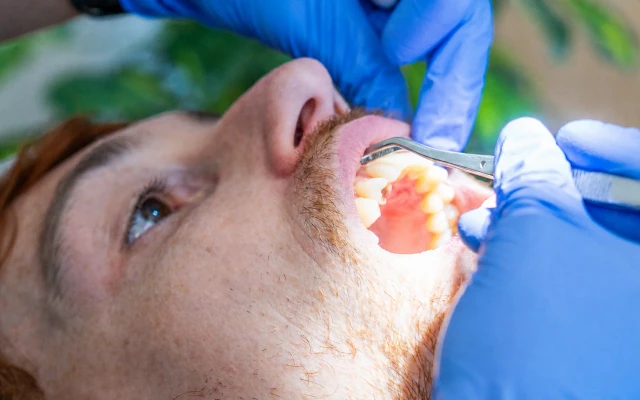
- the tooth structure underneath and around it
- signs of decay, fracture, or deterioration at the margins
- the gum tissue near the restored area
- sensitivity, pain, and recent symptoms
- how the tooth meets the opposing teeth when you bite
- whether an X-ray or another diagnostic check is appropriate
Recementation may be possible in selected cases. In others, the restoration may need replacement, the tooth may need temporary protection, or the examination may point to a different restorative plan.
At an inlay or onlay assessment, the dentist checks what remains sound and discusses the next treatment step with you.

Can the same inlay or onlay be reused?
Sometimes an existing restoration may be suitable for recementation, but there is no responsible way to promise that before an examination. The answer depends on both the piece and the tooth.
An intact-looking onlay may no longer fit correctly. A restoration that looks damaged may still provide useful information about how it failed. Changes to the tooth, decay, a fracture, material left inside the restoration, or a bite problem can all affect the decision.
Do not clean the piece with abrasive products, scrape its inner surface, or test the fit repeatedly. Keep it available and let the dentist inspect it.
If reuse is not appropriate, that does not automatically tell you which treatment comes next. Replacement, temporary protection, or another plan depends on findings that require an examination.
What if a temporary onlay falls off?
A temporary onlay still protects a tooth during an unfinished treatment plan. If it comes off, contact the dentist who is managing the case or arrange a local assessment if you cannot reach that office. Avoid chewing on the tooth and do not treat the temporary piece as a permanent repair you can glue back yourself.
Tell the dentist when the temporary restoration was placed and when your next planned visit is. If you are traveling, include where you are now and how long you will remain there. The appropriate short-term step depends on the condition of the tooth, the temporary restoration, your symptoms, and the timing of the planned definitive treatment.
Ask the treating dentist how to protect the tooth until the next visit.
What to send before booking
A concise message can help the clinic understand the situation before you arrive. Send what you know without trying to diagnose the tooth yourself:
- a clear photo of the affected tooth
- photos of the outside and inside of the detached restoration
- when it came out
- whether it is temporary or permanent, if you know
- current pain, sensitivity, swelling, bleeding, fever, bad taste, or bite changes
- any recent injury involving that tooth
- recent dental X-rays or records, if they are available
- your location and travel dates if you are away from home
Photos and records can reduce unnecessary back-and-forth, but they do not establish whether the restoration can be reused. Bring the physical piece to the appointment if you still have it.

Frequently asked questions
Can an inlay or onlay be glued back?
Do not use super glue or another household adhesive, and do not force the piece into place. Whether it can be recemented depends on its condition, its fit, and the tooth underneath. Do not attempt home cementation.
Can the same inlay or onlay be reused?
Possibly, but only after a dentist examines both the restoration and the tooth. An intact appearance alone does not confirm that the margins, fit, bite, or underlying tooth are acceptable.
What if the tooth does not hurt?
Lack of pain is helpful information, but it does not identify why the restoration detached or prove the tooth is undamaged. Avoid chewing on it and arrange an examination rather than waiting for pain to appear.
How soon should I see a dentist?
There is no single safe deadline for every case. Arrange an examination promptly, and seek faster help when there is increasing pain, swelling, fever, trauma, bleeding, or a visible fracture. Breathing or swallowing difficulty, severe spreading swelling, uncontrolled bleeding, or major facial injury requires emergency medical assessment.
What should I do if a temporary onlay falls off?
Keep the piece if available, avoid chewing on the tooth, and contact the dentist managing the treatment. If you are away from that office, explain the treatment stage, your symptoms, and your travel timing to a local dentist. Do not improvise a permanent repair.
To have the tooth assessed at hisonrisa in Roma Sur, request a dental examination. Share when the restoration came out, your symptoms, photos, available records, and travel dates.
Educational note: this article provides general information and does not replace an in-person dental evaluation, diagnosis, or imaging when needed. A licensed dentist must examine the tooth, restoration, bite, and symptoms before recommending treatment.