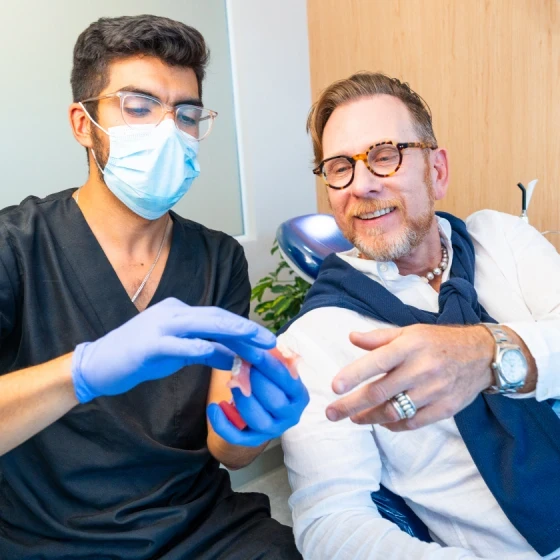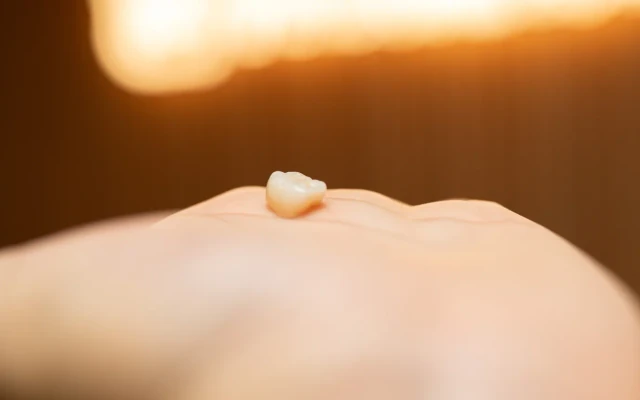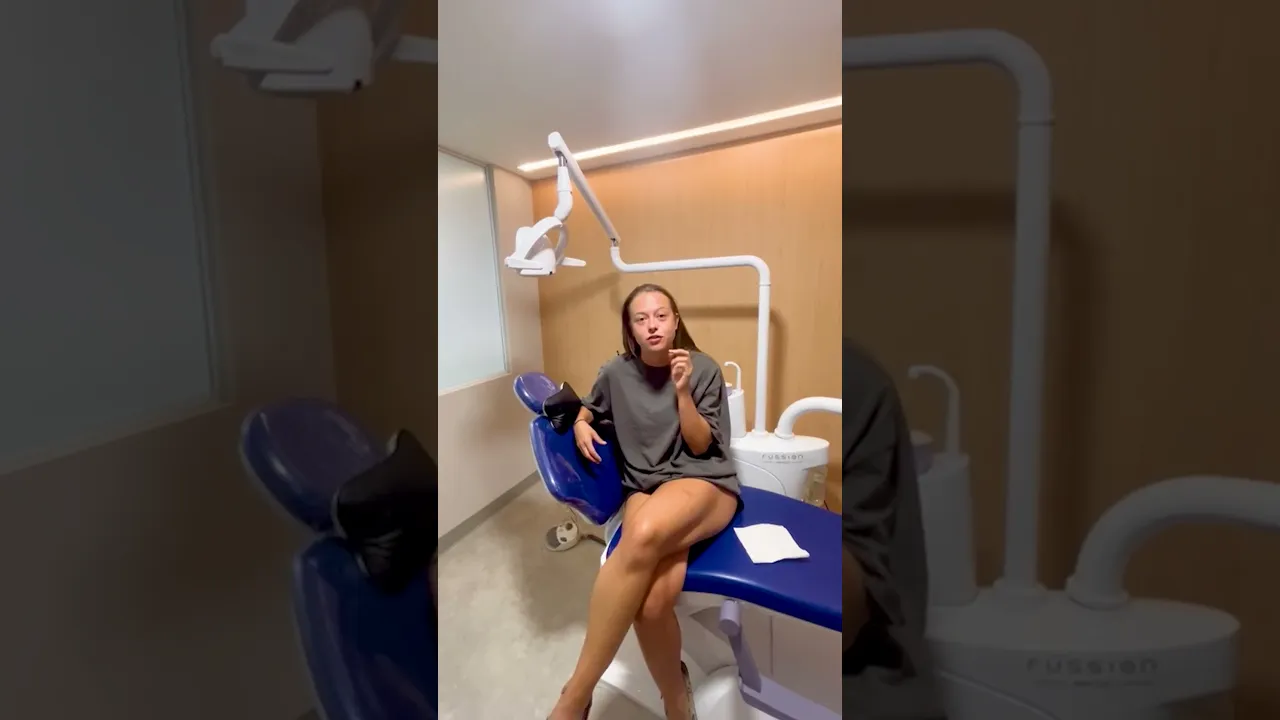
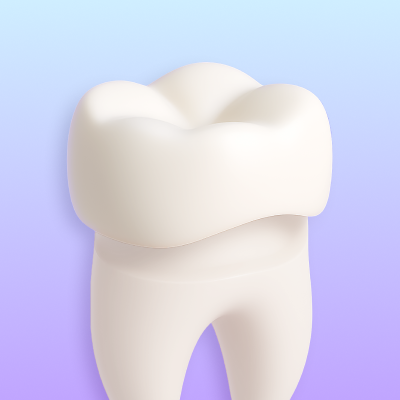






If your temporary crown fell off while you are traveling in Mexico City, the first move is simple: keep the crown, protect the tooth, and get a dentist to check whether it can be safely recemented. Do not glue it back with whatever is nearby.
If you are near Roma Sur, Condesa, Roma Norte, Narvarte, or another central part of the city, hisonrisa can evaluate the tooth and explain whether the next step is recementation, temporary protection, a new crown, or another restorative plan. Start with the dental crowns page for Mexico City if the tooth is stable and your main question is crown repair or replacement.
If you have swelling, fever, trauma, severe uncontrolled pain, bleeding that will not stop, or trouble swallowing or breathing, treat it as more urgent. Those signs can change where you should go first.
What to do in the first few minutes
Start with the practical steps that lower risk without pretending to solve the whole problem.
- Save the crown. Put it in a small bag, case, or clean container.
- Avoid chewing on that side.
- Rinse gently with water if the area feels dirty or irritated.
- Keep the area clean, but do not scrub the exposed tooth aggressively.
- Do not force the crown back into place if it feels loose, wrong, painful, or easy to swallow.
- Do not use super glue, nail glue, craft glue, or household adhesive.
- Message a dentist with photos and your travel schedule.
If the tooth feels sharp, sensitive, or exposed, avoid hot, cold, hard, sticky, or very sweet foods until you are seen. A temporary crown protects the prepared tooth while the final plan is finished. Once it comes off, the tooth can be more sensitive and the bite may no longer be protected in the same way.
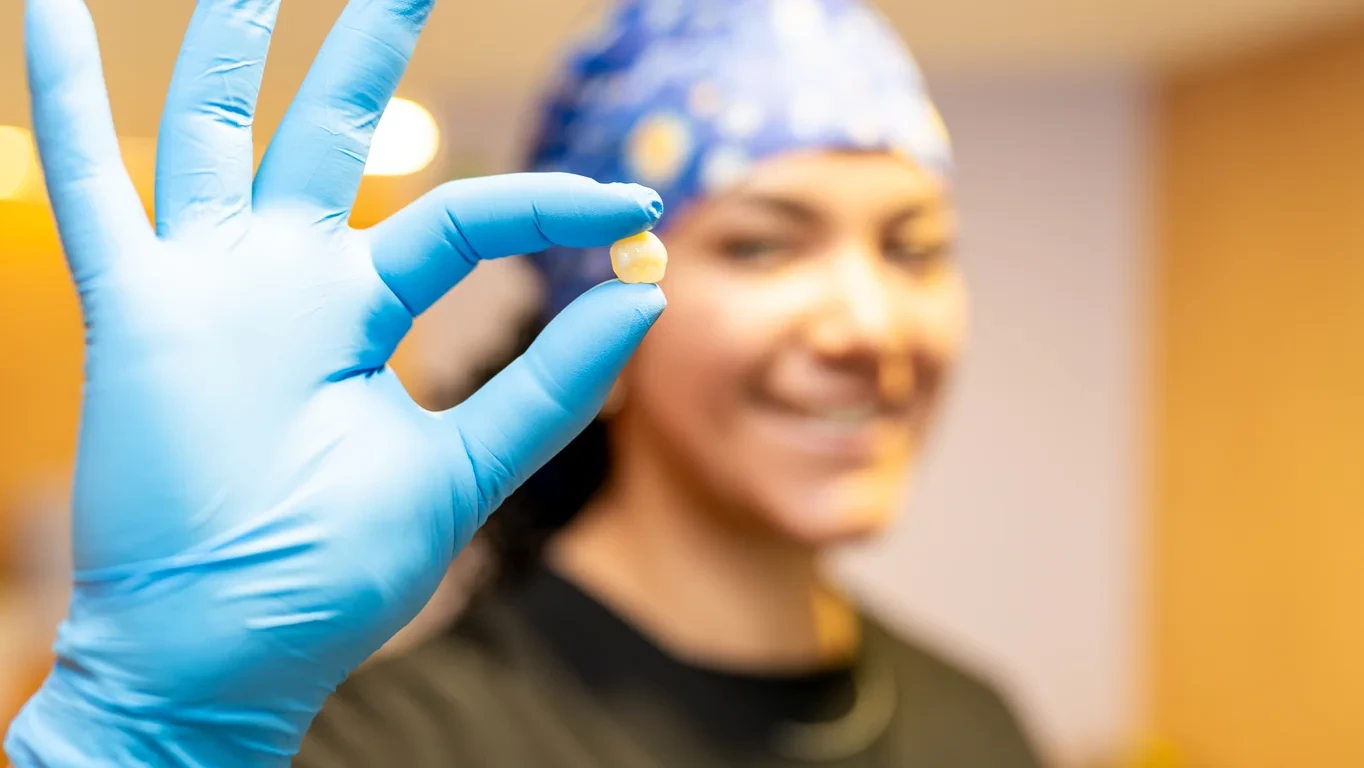
The crown itself is useful information. Even if it cannot be reused, the dentist can inspect the inside surface, the fit, and whether it broke or simply came loose.
When a crown that fell off becomes urgent
A crown coming off is usually a dental problem, not automatically a hospital emergency. But some symptoms mean you should not wait for a casual appointment.
Contact a dentist promptly if you have pain when biting, strong sensitivity, a bad taste, pus, swelling around the gum or face, fever, trauma, or a tooth that looks broken under the crown. If you are in Mexico City and those symptoms are active, use the dental emergency page instead of treating it like a routine crown question.
Seek urgent medical help or emergency guidance if swelling affects your eye or neck, you have trouble breathing or swallowing, your face or jaw was injured, bleeding will not stop, or the pain is severe and uncontrolled. Those signs can go beyond normal dental scheduling.
If you are unsure which bucket you are in, describe the symptoms clearly when you message the clinic. A short, accurate message is better than guessing the diagnosis.
What not to glue or force
It is tempting to think, “I just need to stick it back on until I get home.” Sometimes a crown can be recemented. Sometimes it cannot. You cannot tell safely from an article, a mirror, or one photo.
Do not use super glue, nail glue, craft glue, model glue, or any household adhesive. These products are not dental materials, can irritate tissue, can damage the crown or tooth, and can make proper treatment harder.
Do not sleep with a crown loosely sitting in your mouth. Do not eat with it if it can move. A loose crown can be swallowed, bitten into, or inhaled.
Over-the-counter temporary dental cement exists, but it should not become the main plan. If a dentist is not immediately available and you use a temporary dental product, follow the package directions and still arrange an evaluation. Do not use it when the crown does not seat smoothly, the tooth hurts, the crown is broken, there is swelling or bleeding, or you are not sure which tooth it belongs to.
The safer default is simple: keep the crown, protect the tooth, and let a dentist decide what is appropriate.
What the dentist checks before recementing
Recementing sounds simple, but it is only safe when the existing crown, tooth, margins, and fit are clinically acceptable.
The dentist needs to check whether the crown still fits the tooth. A crown that looks intact in your hand may still have a distorted edge, a chipped margin, or cement inside that prevents it from seating correctly.
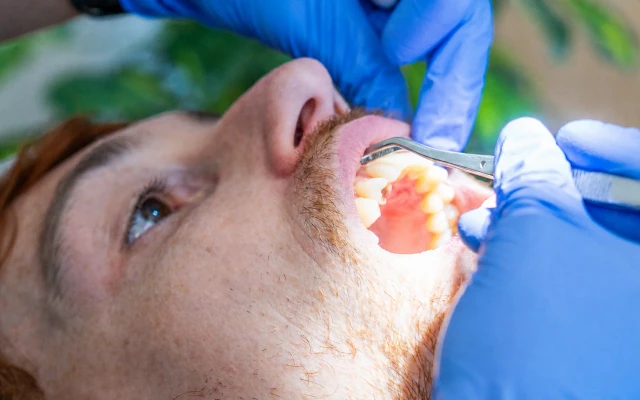
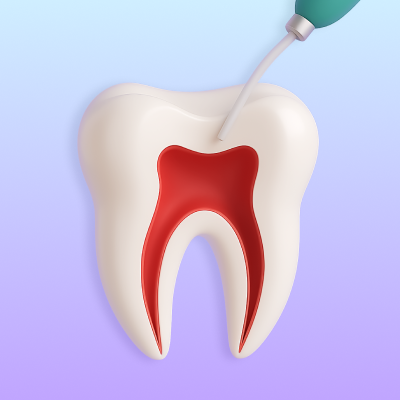
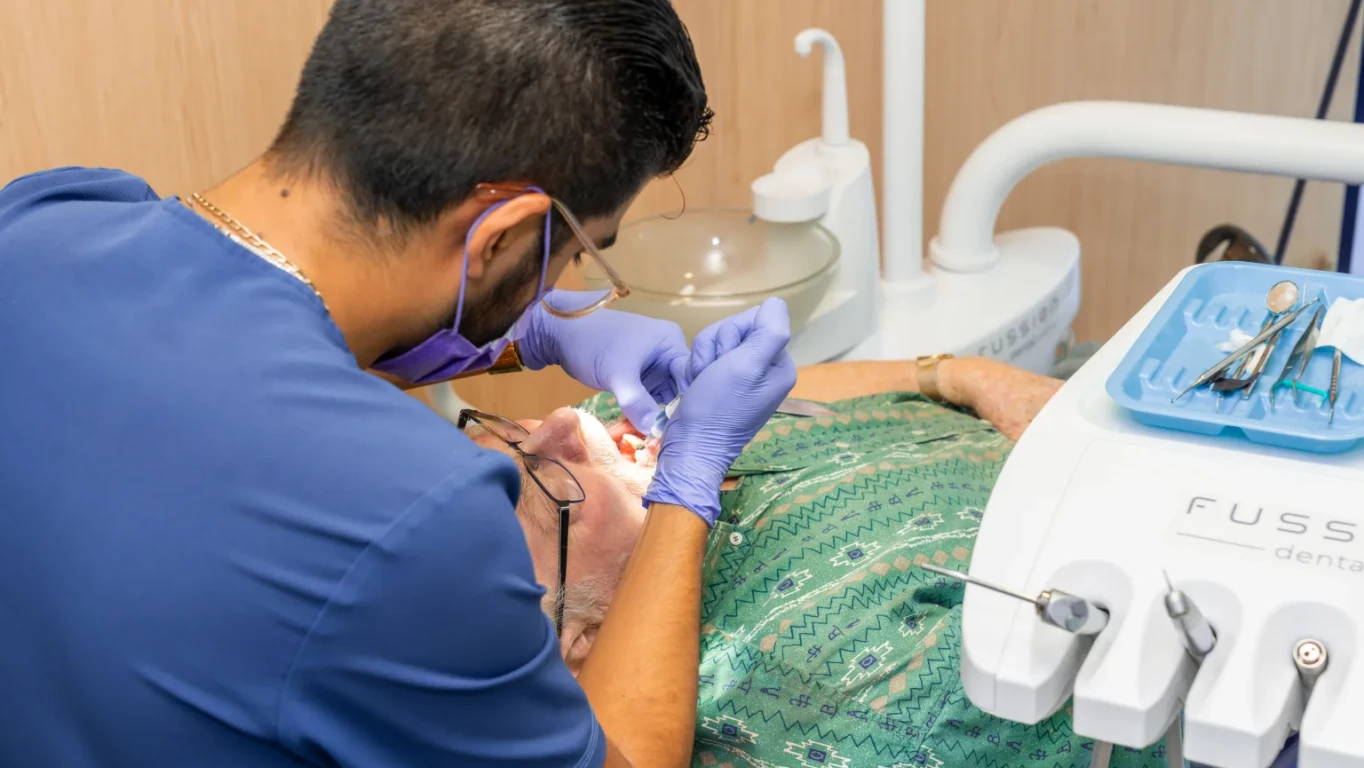
The tooth also matters. The dentist checks remaining tooth structure, decay, cracks, gum margins, bite, sensitivity, previous root canal history, and whether a buildup or post may be needed. If the tooth underneath has changed, putting the same crown back on may not protect it well. When pain, infection, or an unfinished root canal is part of the picture, the plan may look more like a root canal and crown sequence than a simple recementation visit.
Bite is another reason not to guess. If the crown sits too high, even slightly, chewing can create pain or damage. If it sits too low or leaves a gap, the margin may trap bacteria or food.
Sometimes the visit is straightforward. The dentist may clean the crown and tooth and recement it if everything checks out. Other times the realistic plan may be a temporary restoration, new crown, root canal evaluation, buildup, extraction discussion, or another restorative route. If the tooth might still support a more conservative restoration, the useful next question is often whether a crown or filling makes more sense. The article cannot choose that plan for you.
What to send before booking in Mexico City
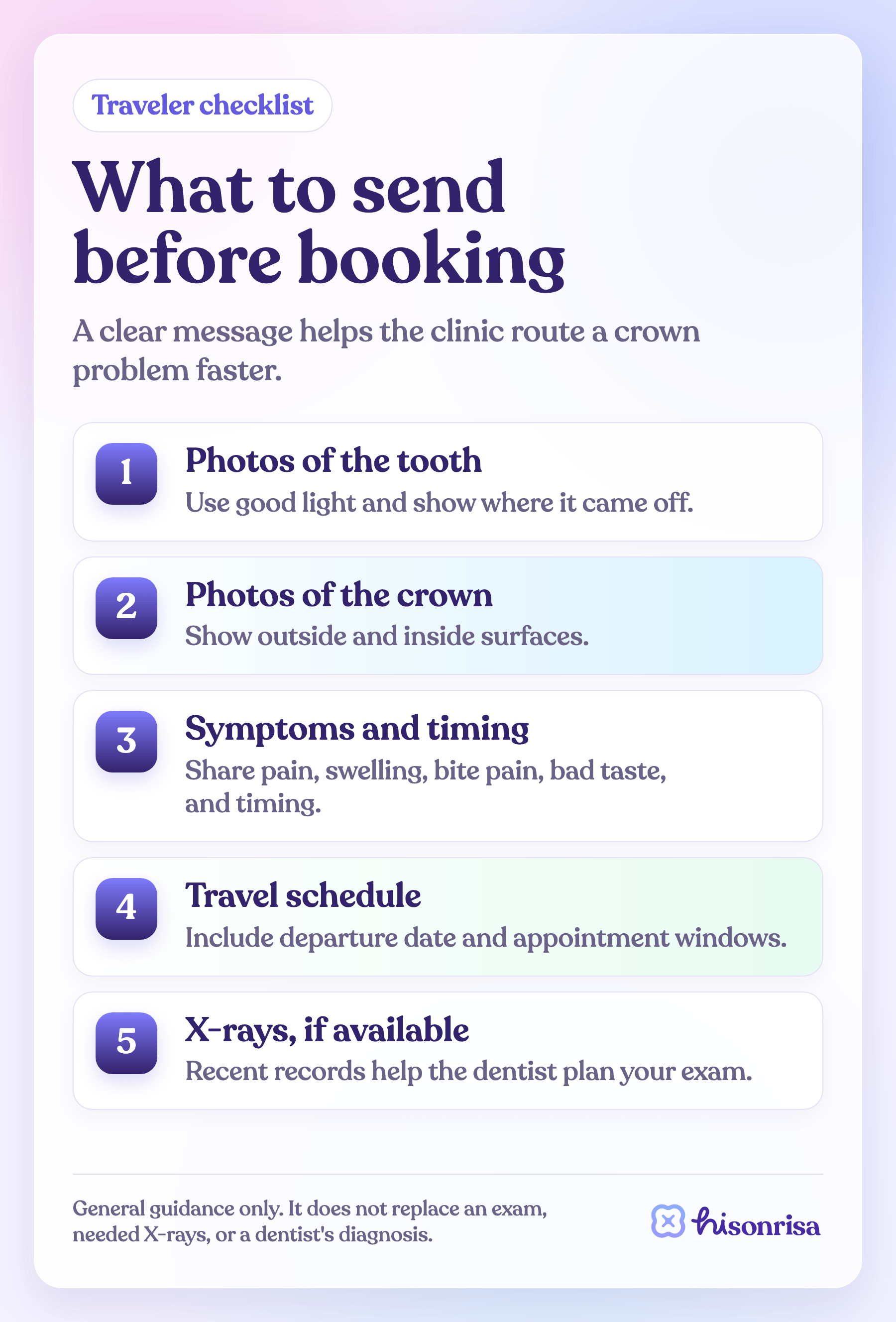
Good information helps the clinic route you faster. It does not replace the exam, but it can reduce back-and-forth messages.
Send:
- a clear photo of the tooth
- a clear photo of the crown from the outside and inside
- whether the crown is temporary or final, if you know
- when it came off
- whether the tooth hurts
- whether there is swelling, pus, bleeding, fever, or bad taste
- whether you can bite down or if the bite feels wrong
- recent X-rays if you have them
- your arrival and departure dates
- your realistic appointment windows
- any medical conditions, allergies, or medications that could matter for dental care
If you still have the crown, bring it to the appointment. If you do not have it, say that clearly. The dentist can still evaluate the tooth, but the plan may change.
hisonrisa is in Roma Sur, Mexico City, and can support English and Spanish communication. For a traveler, that matters because the best first visit is not only about the tooth. It is also about what can be done safely within your trip, what should wait, and what records you may need for your dentist back home.
If budget or scope is part of the decision, it helps to understand what can change the crown quote before the exam. If more than one tooth or several older crowns are involved, mention that early because planning several crowns at once usually needs more careful sequencing.
What travel timing can and cannot change
Travel timing matters, but it does not override the tooth.
If you leave Mexico City soon, say that upfront. It helps the team understand whether the goal is short-term stabilization, diagnosis, a definitive crown plan, or advice for follow-up after you return home. It also helps avoid wasting time on a plan that cannot realistically fit your schedule.
Still, timing cannot make an unsafe crown safe. If there is decay, fracture, infection, a poor fit, or bite problems, the dentist may need to slow the plan down or change direction. In selected cases, a faster crown timeline can be useful, but it depends on the tooth, material plan, scanner/design/milling availability, doctor approval, and appointment schedule.
That is why the first appointment should be framed as an evaluation. The useful question is not only “Can you put it back?” It is “What is the safest next step for this tooth while I am here?”
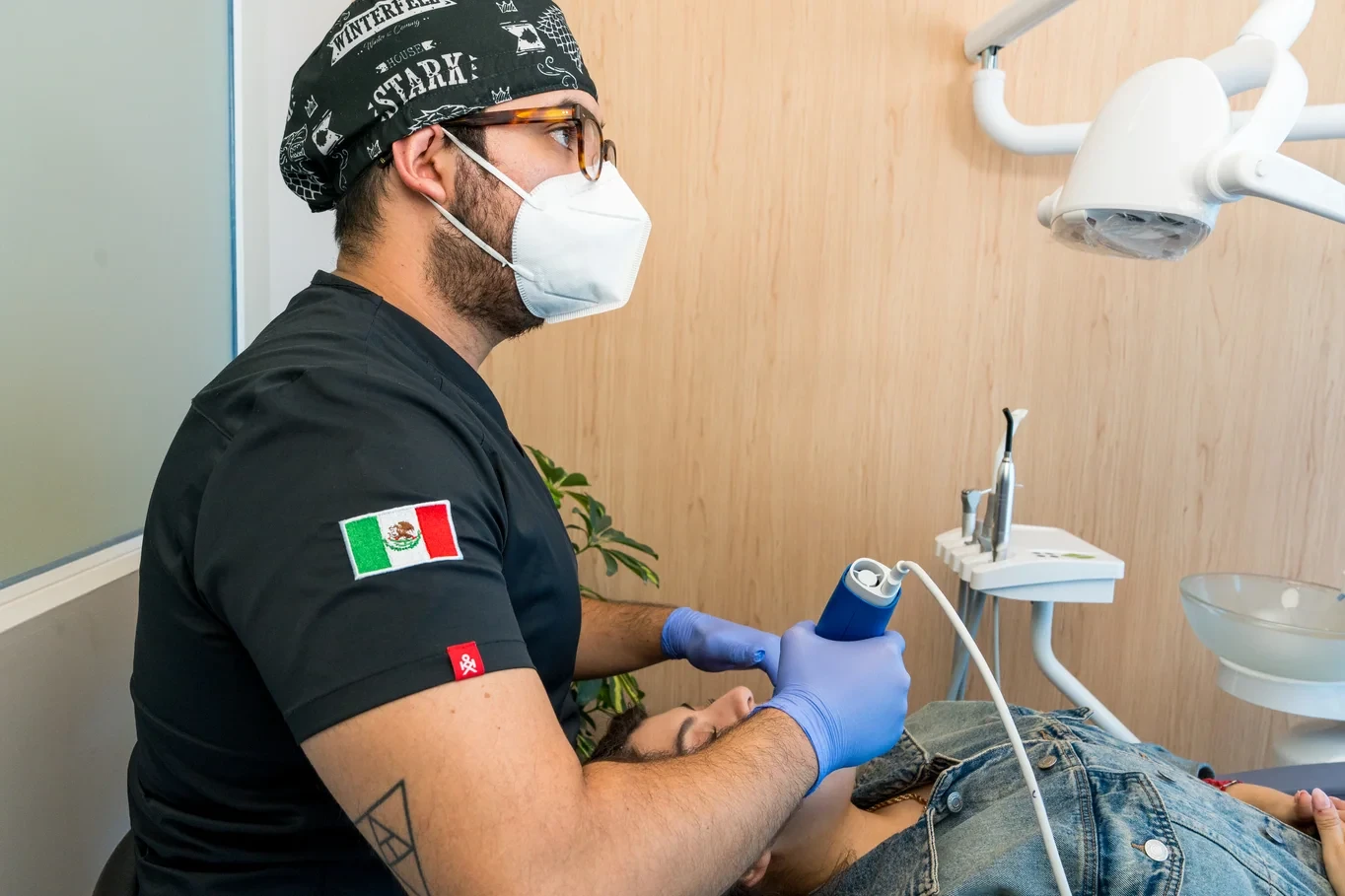
A calm next step in Roma Sur
If your crown came off and the tooth is not showing medical red flags, the next step is to get a dentist to check it before you keep chewing, flying, or waiting several days.
Bring the crown, send the photos, and be clear about travel dates. If the same crown can be reused, the dentist will explain that after checking the fit and tooth. If it cannot, you will still leave with a clearer plan instead of guessing from a hotel bathroom mirror.
For crown-focused evaluation in Mexico City, start with dental crowns at hisonrisa in Roma Sur. If symptoms sound urgent, route through the emergency page first.
Frequently asked questions
Is a crown falling off an emergency?
It can be urgent, but it is not always a hospital emergency. Contact a dentist promptly if the tooth hurts, feels exposed, has swelling, pus, fever, trauma, bleeding, or pain when biting. Seek emergency medical guidance if you have trouble breathing or swallowing, facial swelling near the eye or neck, uncontrolled bleeding, or a serious face or jaw injury.
Can a dentist put the same crown back on?
Sometimes yes, but only after checking the crown and tooth. The dentist needs to confirm that the crown still fits, the tooth can support it, the margins are acceptable, and there is no decay, fracture, bite problem, or symptom that changes the plan.
What should I do with the crown that came off?
Keep it and bring it with you. Put it in a small clean container or bag so it does not get lost or damaged. Do not sleep or eat with it loose in your mouth.
Should I use glue if my temporary crown fell off?
Do not use household glue, super glue, nail glue, or craft glue. Temporary dental cement from a pharmacy may be a short-term option only when a dentist is not immediately available and the product directions fit your situation. Avoid it if the crown does not seat easily, the tooth hurts, there is swelling or bleeding, or you are unsure what you are doing.
What should I send before booking in Mexico City?
Send photos of the tooth and crown, when it came off, whether there is pain or swelling, whether the crown is temporary or final, recent X-rays if available, and your travel dates. Those details help the clinic understand whether you need crown evaluation, emergency evaluation, or a different first step.
Educational note: this article is general dental information for travelers. It does not replace an in-person dental evaluation, X-rays when needed, or a diagnosis from a licensed dentist. A dentist has to examine the tooth, crown, bite, and symptoms before deciding whether recementation, temporary protection, a new crown, root canal evaluation, or another treatment is appropriate.