







A plan that says “same-day dental implants” leaves out the detail patients need most. Implant placement, a visible temporary tooth, functional loading, and the definitive teeth are separate stages. The phrase does not tell you which stages happen that day.
A useful written plan names each one. It should say what is being placed, whether a provisional restoration is planned, what supports it, whether it will carry biting force, and what remains for a later visit.
If you are comparing treatment in Mexico City, a case-specific dental implant consultation is where the clinical plan is confirmed. This article gives you the language and questions to make that conversation clearer.
The narrower question of whether an implant can be placed on extraction day has its own guide. That article covers the extraction site, infection, grafting, and surgical findings. Here, the focus is what a clinic or quote means when it uses the words “same day.”
Same-day can describe several stages
“Same-day dental implants” is patient-facing language. Implant dentistry uses separate terms for placement and for the timing of the restoration.
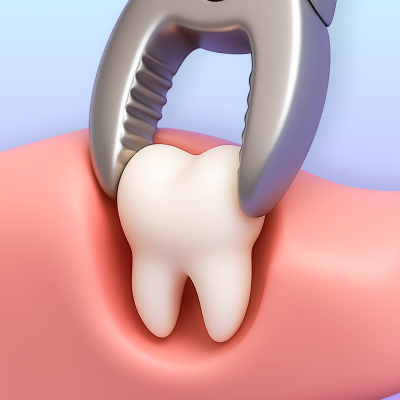
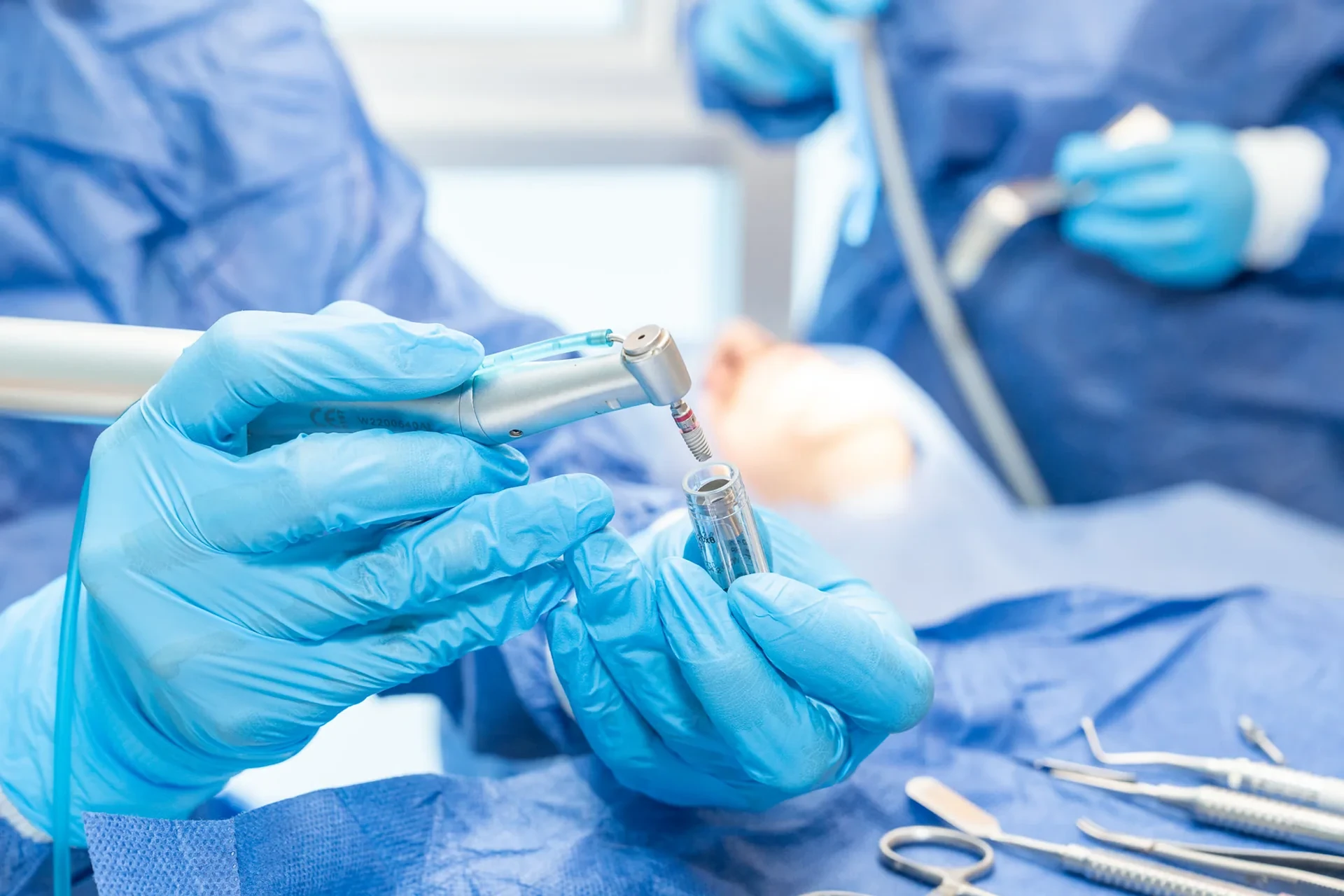
Immediate implant placement means the implant is placed in the extraction socket on the day the tooth is removed.
Immediate restoration means a prosthesis is connected within one week and kept out of contact with the opposing teeth.
Immediate loading means a prosthesis is connected within one week and placed in contact with the opposing teeth.
That one-week clinical window matters. A provider may use the technical word “immediate” even when a step does not happen on the calendar day of surgery. Ask for the expected date of each stage instead of relying on the label.
Five questions that make a same-day plan clear
1. Is the implant fixture being placed?
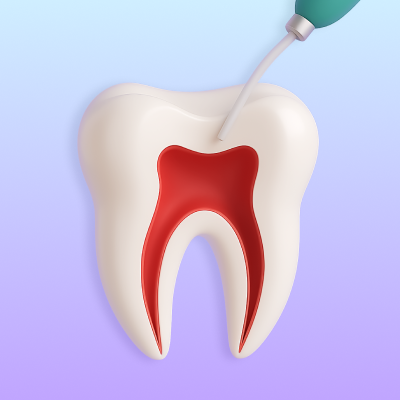
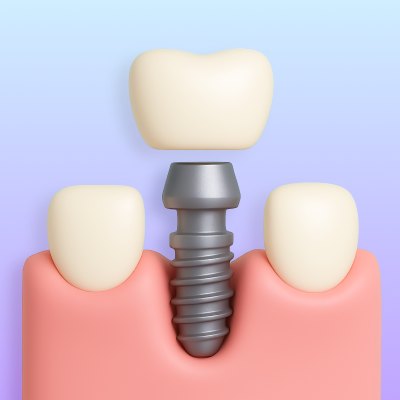
The fixture is the surgical part placed in the bone. Confirm whether that procedure is scheduled for the first treatment visit or whether the visit is for examination and planning. Placement does not tell you whether a visible tooth will be attached.
2. Is a visible provisional planned?
A provisional is the temporary tooth or bridge used before the definitive restoration. Its timing is a separate clinical decision from placing the implant. Your plan should state whether one is expected and which findings could change that decision.
3. What supports the provisional?
A temporary restoration may be supported by the implant, attached through another fixed strategy, removable, or omitted when a clinician recommends a different healing plan. Ask the clinic to name the design in writing. “A tooth that day” is too vague to identify what is supporting it.
4. Will it carry your normal bite?
A visible implant-supported provisional may be shaped to avoid contact with the opposing teeth during healing. That is immediate restoration rather than immediate loading. Ask whether the provisional is intended to carry functional biting force and what restrictions apply to your plan.
5. Is it provisional or definitive?
The restoration delivered near surgery may be provisional or definitive, depending on the protocol and clinical plan. The phrase “same-day” cannot answer that. The document should identify the restoration and list any later scans, laboratory work, fittings, adjustments, or restorative appointments.
Temporary, fixed, and definitive describe different things
These three terms often appear in the same quote, but each answers a different question.
- Temporary or provisional describes a restoration intended for a limited treatment phase before another restoration replaces it.
- Fixed describes a restoration the patient does not remove at home. A fixed restoration can still be provisional.
- Definitive describes the restoration planned for long-term use after the necessary clinical and laboratory steps.
Ask the clinic to use these terms separately. “Fixed teeth in a day” may describe a fixed provisional, while the definitive restoration remains a later stage. A removable temporary option can also serve a different planning need.
One tooth and a full arch require different questions
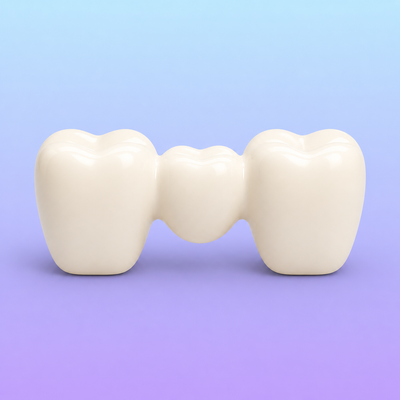
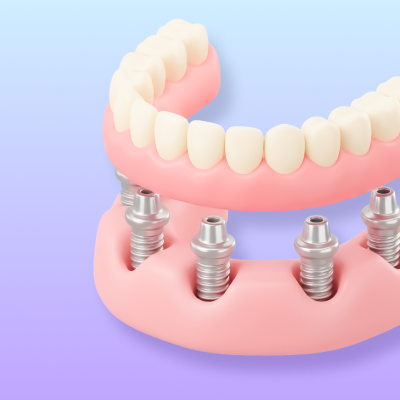
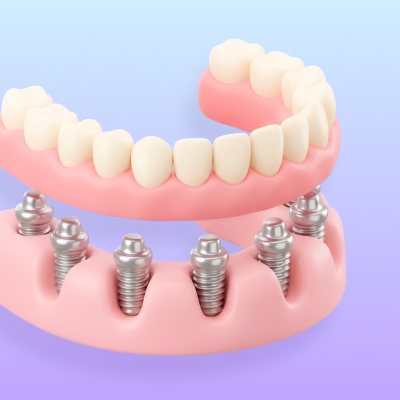
Replacing one missing tooth and restoring a complete arch involve different prosthetic designs. A single-tooth provisional replaces one tooth. A full-arch provisional connects several implant positions into one restoration.
For this article, the practical point is the language in the plan. Does “teeth in a day” refer to one provisional tooth, a connected provisional bridge, or definitive teeth? Patients considering replacement of most or all teeth in a jaw can review the separate guide to All-on-4 and full-arch implant planning.
What a written same-day plan or quote should include
A price beside the words “same-day dental implants” does not show the whole treatment sequence. Ask for a written document that identifies:
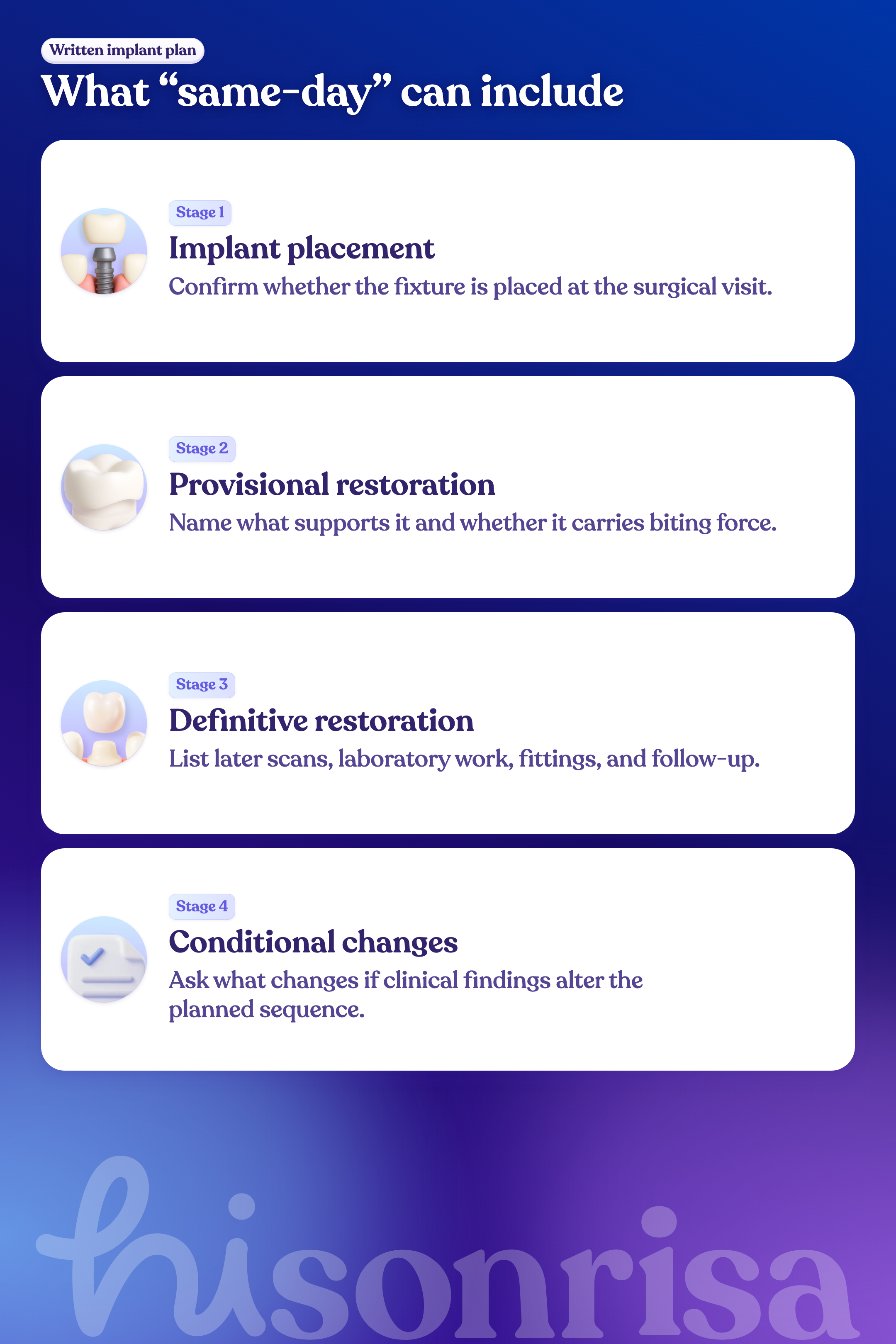
- The surgical scope. Which implant procedures are planned for that visit and which parts remain conditional.
- The provisional restoration. Whether one is planned, its design, what supports it, and whether the patient can remove it.
- The loading plan. Whether the provisional is intended to contact the opposing teeth or stay protected from the bite.
- The restorative status. Whether the tooth or bridge is provisional or definitive.
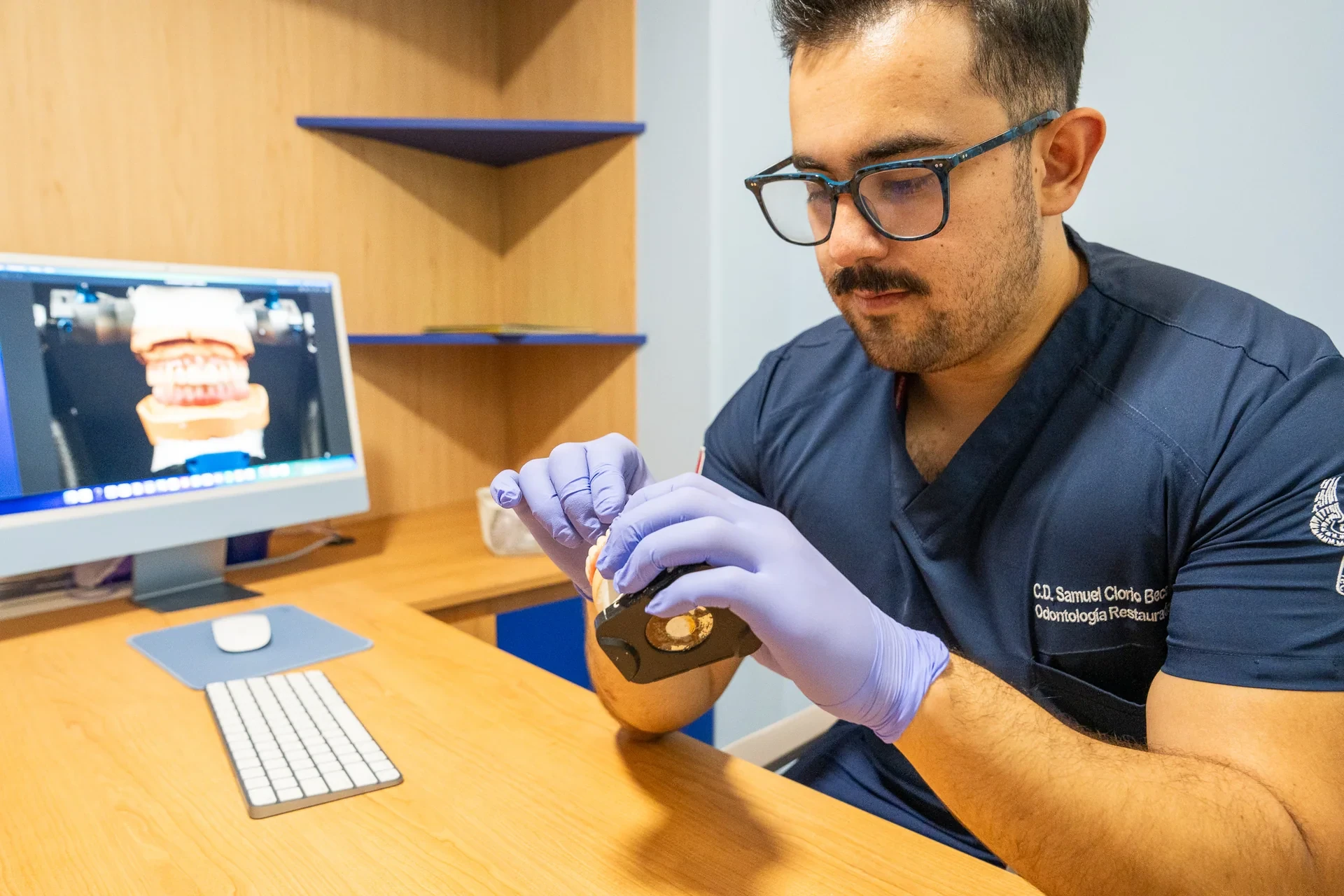
- The later stages. Any further records, scans, laboratory work, fittings, adjustments, or restorative appointments.
- The alternative plan. What the clinician may recommend if examination or surgery-day findings do not support the intended provisional or loading protocol.
- The quote boundaries. Which stages are included in each line and how a change in sequence would affect the written quote.
- Follow-up responsibility. Who reviews healing, who handles adjustments, and what happens if you need help after returning home.
An itemized plan makes the sequence easier to compare across clinics. It also shows where the plan is firm and where a clinical finding may change it.
Immediate loading and staged loading are both established approaches used under different clinical conditions. The dentist chooses a protocol after reviewing the patient, site, stability, bite, and restorative plan together. Treatment speed alone does not establish quality.
Before traveling to Mexico City for implant treatment
Records can make the first planning conversation more useful. Share the history and recent imaging you already have, then ask which additional records the dentist needs. The detailed implant consultation records checklist explains what to organize.
Remote records cannot confirm the complete pathway, candidacy, final schedule, or final quote. Some decisions remain conditional until the in-person examination and any imaging or clinical review the dentist determines is needed.
“Same day” also does not establish how many future appointments or trips remain. The provisional, definitive restoration, adjustments, and follow-up can occur at different stages. Use the separate guide to how many trips implant treatment may require for detailed travel planning.
Before booking a return flight, ask who will review healing, how the clinic handles a provisional that needs adjustment, and what records you will receive. If another dentist may help after you return home, confirm how the clinical information will be shared.
When you are ready to discuss the stages in your own plan, you can request a case-specific implant consultation.
FAQs about same-day dental implants in Mexico City
Does “same-day dental implants” mean the final teeth are fitted that day?
The phrase alone cannot confirm that. It may refer to implant placement, a provisional restoration, loading, a definitive restoration, or a combination. Ask the clinic to label the restoration as provisional or definitive and list any later stages.
Are temporary teeth always fixed to the implants?
No. A provisional may be implant-supported, use another fixed design, be removable, or not be recommended for a particular treatment stage. The plan should say what supports it and whether you remove it at home.
Is “teeth in a day” the same for one missing tooth and a full arch?
No. One provisional tooth and a connected full-arch restoration use different prosthetic designs. The written plan should identify which treatment it describes and whether the restoration is provisional or definitive.
What should a same-day implant treatment plan or quote say clearly?
It should identify the surgery, provisional design and support, loading intention, provisional or definitive status, later stages, conditional changes, quote boundaries, and follow-up responsibility.
Can a clinic confirm every same-day stage before I travel to Mexico City?
Records and imaging can support preliminary planning. Final candidacy, the complete sequence, schedule, and quote may still depend on an in-person examination and clinical review.
This article provides general dental information. It does not replace a dental evaluation, diagnosis, or any imaging and clinical review a dentist determines is needed.