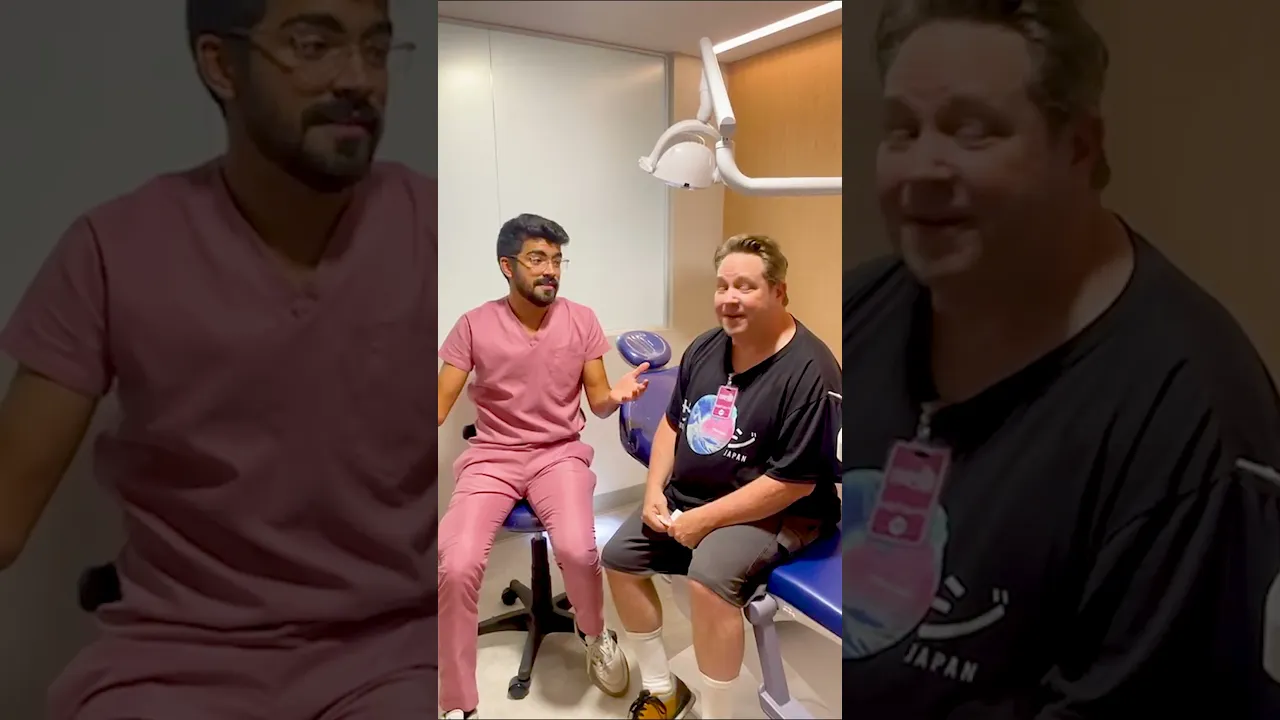



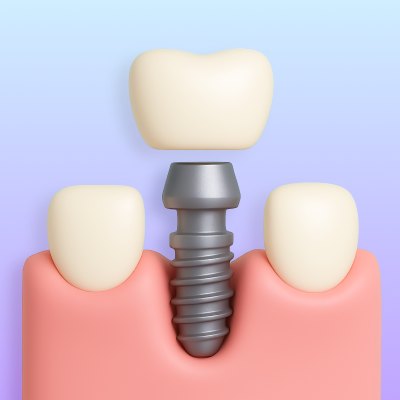
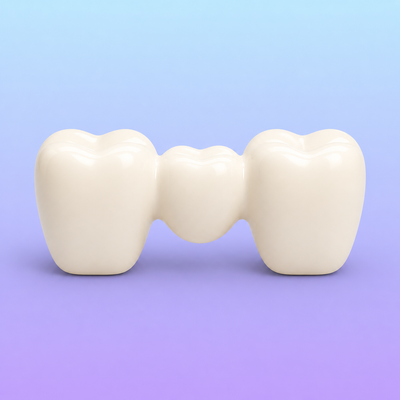
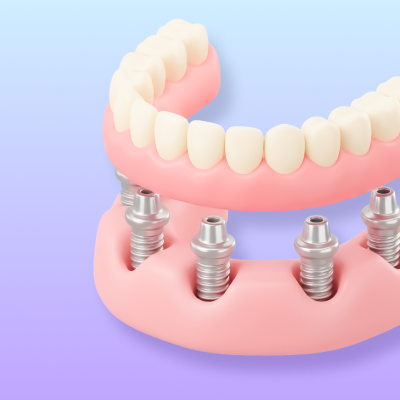
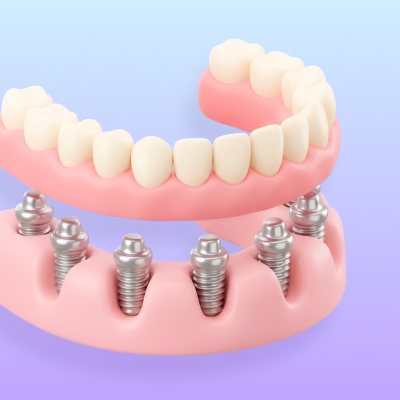






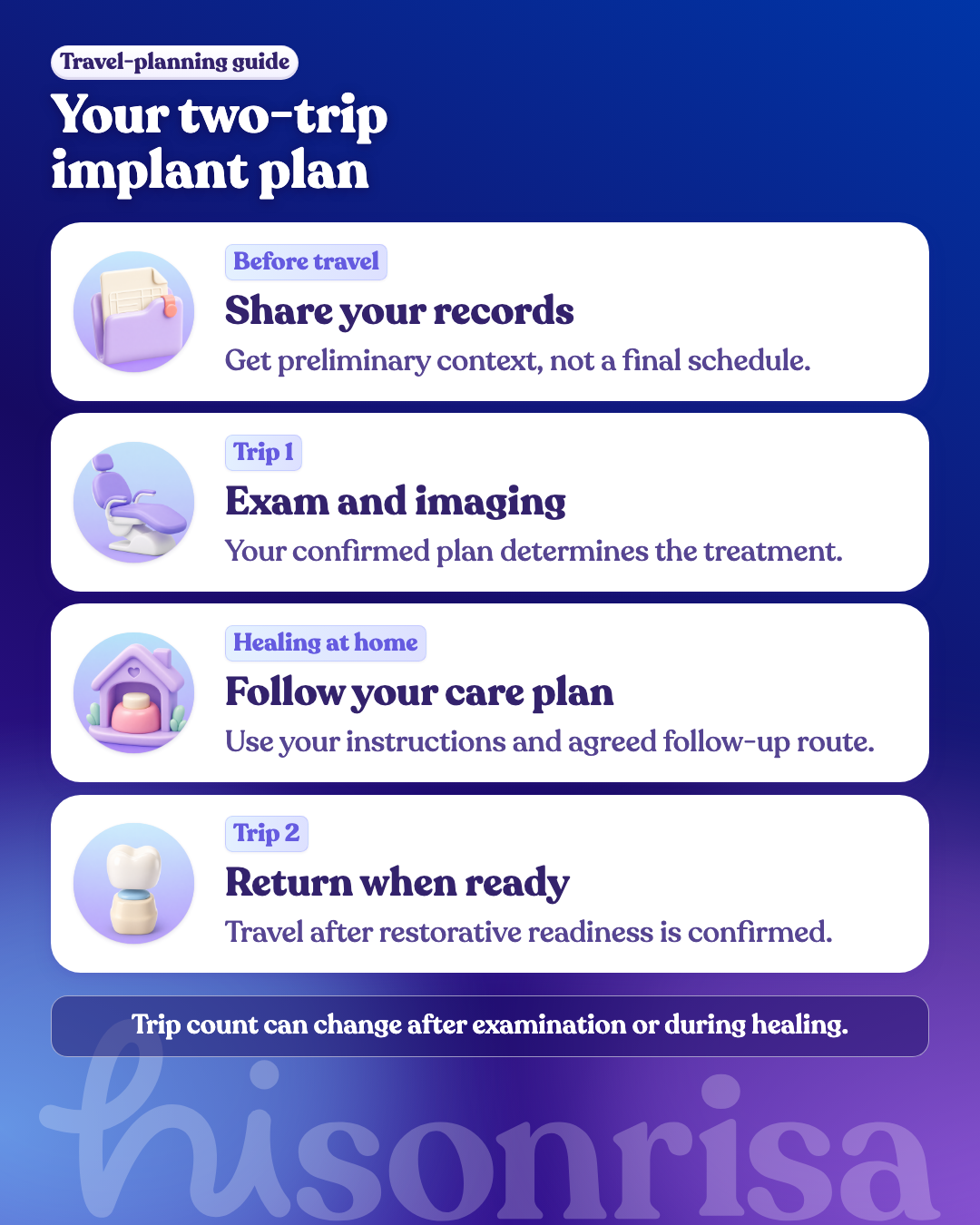
Many straightforward single-tooth cases can be planned around two trips to Mexico City: one for surgery and another later for the final crown. Two trips is an early planning estimate. A dentist confirms the schedule after examining the site, reviewing your imaging, and seeing how you heal.
Whether the tooth is already gone or still needs removal, the condition of the bone, any sinus considerations, implant stability at placement, tissue healing, and your restorative needs can all change how appointments fit into those trips.
Two trips is a reasonable starting expectation for many cases, with the final schedule confirmed after evaluation. If you’re comparing options, dental implant planning in Mexico City is the right place to begin a case-specific assessment.
Trips and appointments are different
You may read that an implant takes “2 to 3 visits.” That usually describes clinic appointments, not the number of times you need to fly to Mexico City.
One trip can include several appointments. The surgical stage might include an evaluation, imaging, and placement over a couple of days. Three appointments may therefore fit within one trip.
For travel planning, focus on which appointments require in-person care and which can safely be scheduled during the same trip. That grouping determines how the clinical plan translates into flights and time away from home.
What to confirm before you buy flights
Ask the clinic which parts of your case are reasonably clear from your records and which decisions require an in-person examination. These are planning points, not a schedule to finalize on your own.
| Planning point | What the clinic needs to determine |
|---|---|
| Tooth and extraction status | Extraction timing can affect whether implant placement happens during the same trip. |
| First-trip treatment | Findings during evaluation can confirm or change the expected placement plan. |
| Bone and sinus considerations | Bone or sinus needs can add treatment steps or another trip. |
| Temporary tooth | A temporary tooth is a separate decision from implant placement and the final crown. |
| Readiness for the final crown | A dentist must confirm clinical readiness before you arrange the restorative trip. |
| Follow-up at home | Continuity of care may include an in-person visit with a local dentist. |
| Changes after examination | A revised treatment sequence can change the number of trips. |
You do not need a final answer to every point before contacting a clinic. Sending the right information can still make the first conversation more useful. Review the records to send before an implant consultation, then share the files you already have along with your health history, medications, and tentative travel dates.
Those records provide preliminary context. The clinic can tell you what appears likely, what remains uncertain, and what must wait for an in-person examination.
Keep the preliminary plan in writing. Separate confirmed appointment reservations from treatment steps that still depend on the examination. That distinction makes it easier to choose flexible flights and lodging without treating an early sequence as a promise. Recheck the plan before paying for travel changes that cannot be refunded.
What the first trip may include
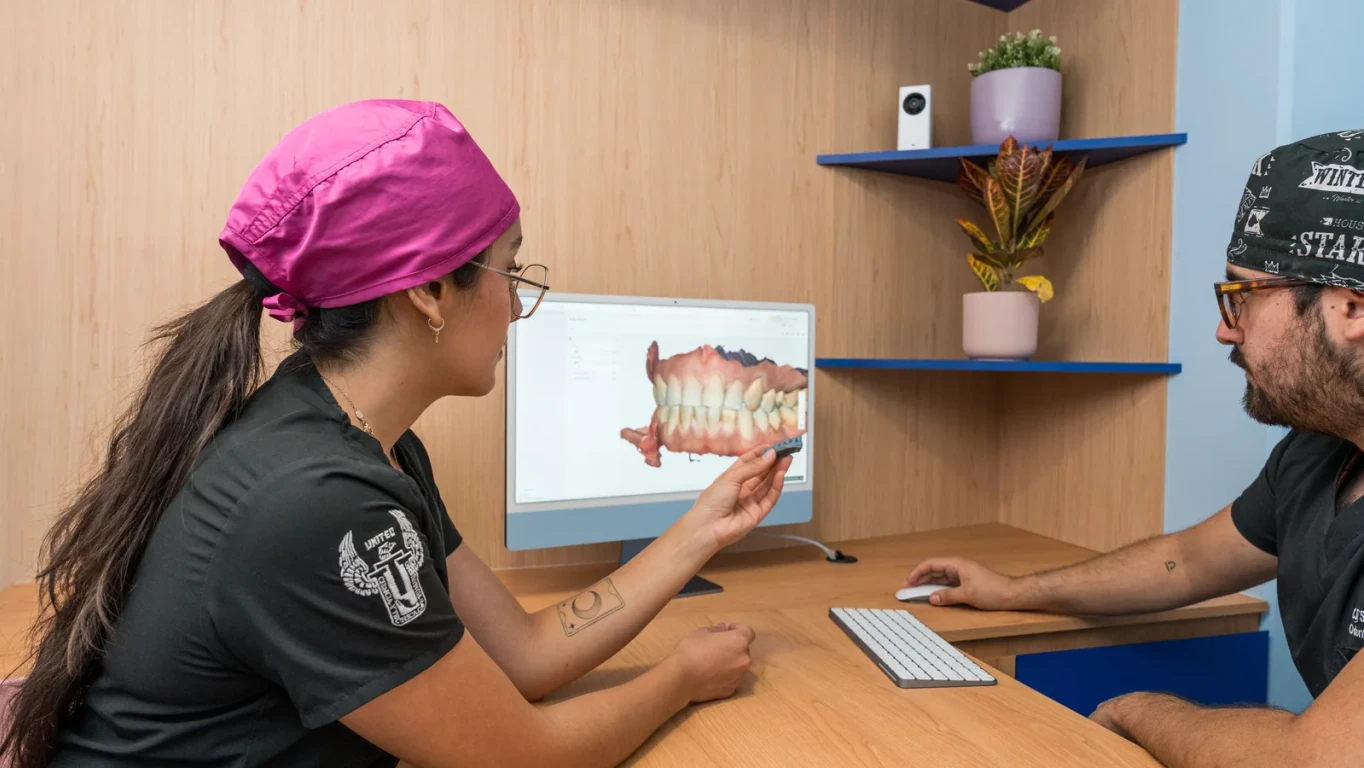
The first trip is when the dentist confirms the expected treatment sequence and carries out the steps that are appropriate for your case.
Evaluation and imaging come first. They may support the preliminary plan or change it. A site that looked ready for straightforward placement on existing records might need preparation after direct examination, while a site that appeared complicated may be more straightforward than expected.
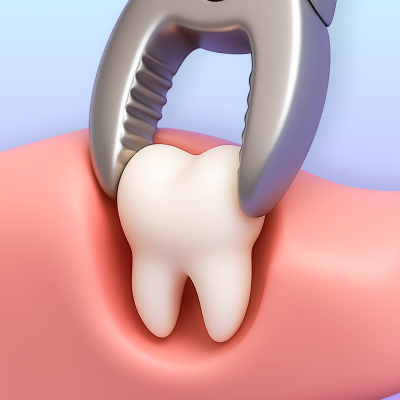
Extraction and implant placement may happen during the same trip or at different stages. A healed site where the tooth is already absent presents different planning questions from a site where the tooth still needs removal. If your plan includes a temporary tooth, the dentist decides that separately from implant placement and the final crown.
There is no universal minimum stay for this trip because the required work varies by case. Wait until the clinic confirms the expected appointments before choosing fixed travel dates or a nonrefundable return flight.
Healing at home is part of the schedule
After the surgical trip, most healing happens where you live. Before leaving Mexico City, make sure you know whom to contact, which records you will receive, and when the clinic wants an update.
Some patients also arrange an in-person follow-up with a dentist near home, especially when a concern would be easier to examine than describe by message or video. Ask how information will be shared if a local dentist becomes involved.
Your treating clinician should give you instructions about brushing, swelling, activity, and flying. The dental implant surgery aftercare guide explains those topics in more detail. For trip planning, make sure the healing period includes a clear contact route and a follow-up plan.
When to plan the restorative trip
Feeling well does not confirm that the implant site is ready for the final crown. You may feel comfortable before the site is ready, and healing can also take longer than expected. A dentist checks readiness based on how the implant and surrounding tissue have responded.
Before booking your return, ask your treating clinician what they will review and how they will confirm that you are ready to travel for the crown. You do not need to interpret stability measurements or treatment protocols yourself. You need a clear confirmation that the restorative appointment should go ahead.
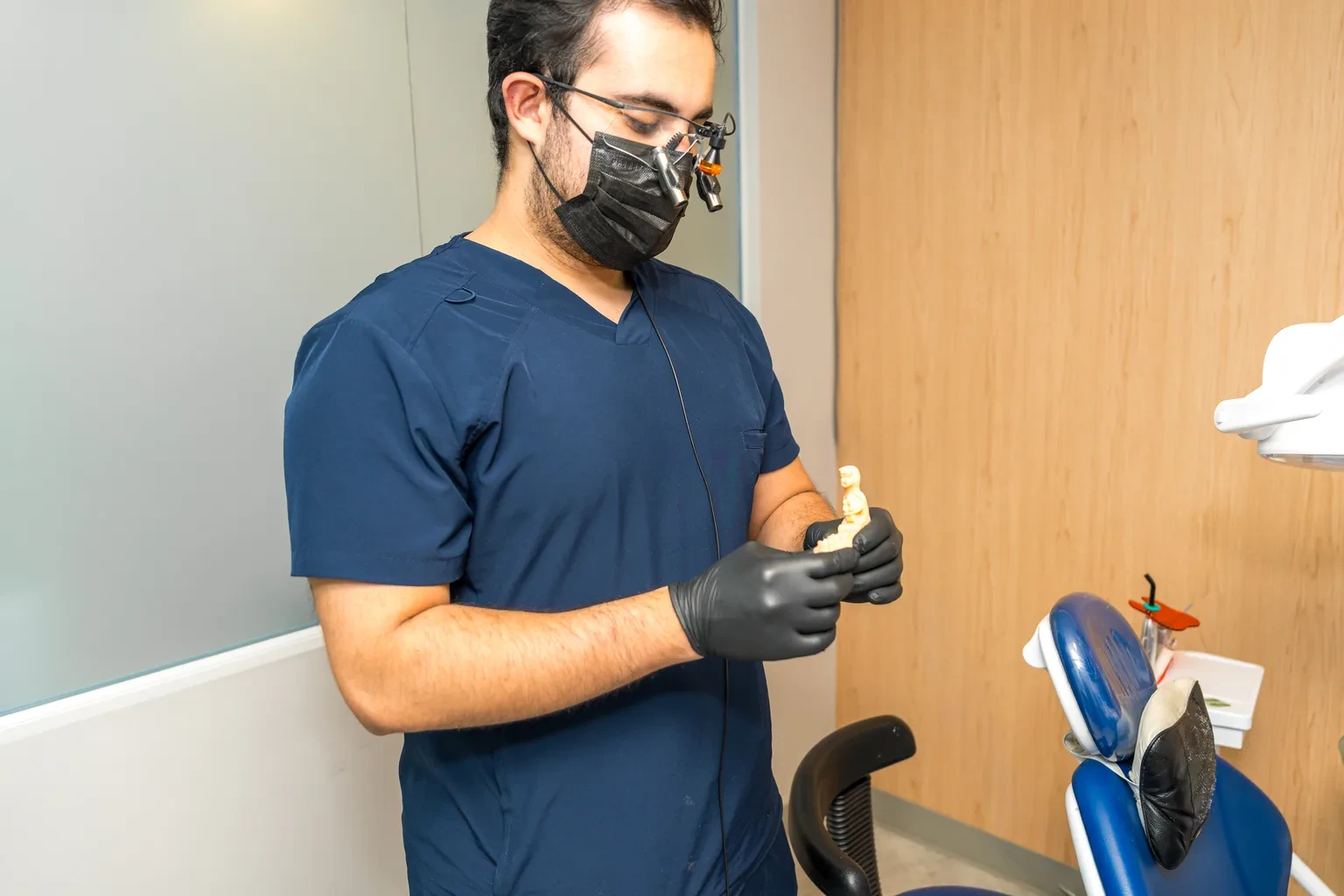
This checkpoint also gives you a chance to confirm how many appointments the restorative trip may include, whether any records need updating, and what would happen if the site needs more time.
What can change or add a trip
The treatment sequence may change because of the site’s condition, extraction timing, bone or sinus needs, implant stability at placement, tissue healing, your bite and restorative needs, relevant health history, nicotine use, or the available follow-up near home. A dentist considers those factors together before confirming the schedule.
Extraction timing comes up often because a tooth that still needs removal can change how the stages fit together. The guide to timing an implant after an extraction covers that decision in more depth.
A change in treatment scope can also affect the quote and how costs are divided between stages. You can compare implant scope and cost by phase without turning this planning article into a price estimate. For accommodation, arrival, and other destination logistics, use the broader guide to plan a dental trip to Mexico City.
Questions to ask before you book
Take these questions to the clinic before committing to flights:
- Based on my records, is a two-trip plan realistic for my case?
- Which decisions can you make from my current records, and which require an in-person examination?
- Do you expect implant placement during the first trip?
- If I still need an extraction, how might that change the sequence?
- Is a temporary tooth part of the current plan?
- What will you review before confirming that I am ready to return for the crown?
- How will follow-up work while I am home?
- If the treatment sequence changes, how could that affect my trips?
Write down the answers and note which parts are preliminary. If the clinic cannot confirm a point until it examines you, build that uncertainty into your travel plans.
Frequently asked questions
Can a dental implant and final crown be completed during the same trip?
Sometimes. Selected cases with a healed site and good stability may allow a faster restorative workflow. Many staged single-tooth cases place the implant during one trip and fit the final crown during a later trip. Examination, imaging, and healing determine which schedule is realistic for you.
What can change the number of trips needed for a dental implant?
Whether the tooth still needs removal, the condition of the site, any bone or sinus needs, how the implant heals, your restorative requirements, relevant health history, nicotine use, and follow-up availability can all change the sequence. A new finding during evaluation may change the number of trips as well.
What records should I send before booking dental implant travel?
Existing X-rays or CBCT files, previous treatment plans, relevant health history, current medications, nicotine use, and tentative travel dates can help with preliminary planning. A dentist still needs an in-person evaluation to confirm candidacy, graft needs, the surgical approach, and the final schedule.
What should be confirmed before I buy flights for implant treatment in Mexico City?
Confirm whether the tooth is already absent or may need extraction, whether implant placement is expected during the first trip or depends on the examination, whether a temporary tooth is planned, what the dentist will review before your return for the crown, and how a change in the treatment sequence would affect your travel.
Plan your evaluation in Mexico City
A dependable schedule starts with an assessment. You can plan a dental implant evaluation in Mexico City with hisonrisa in Roma Sur. Communication is available in English and Spanish, and adequate records can provide preliminary context before you travel.
This article provides general dental information and does not replace an in-person dental evaluation, diagnosis, or the imaging and review a dentist may need to plan your specific case.