




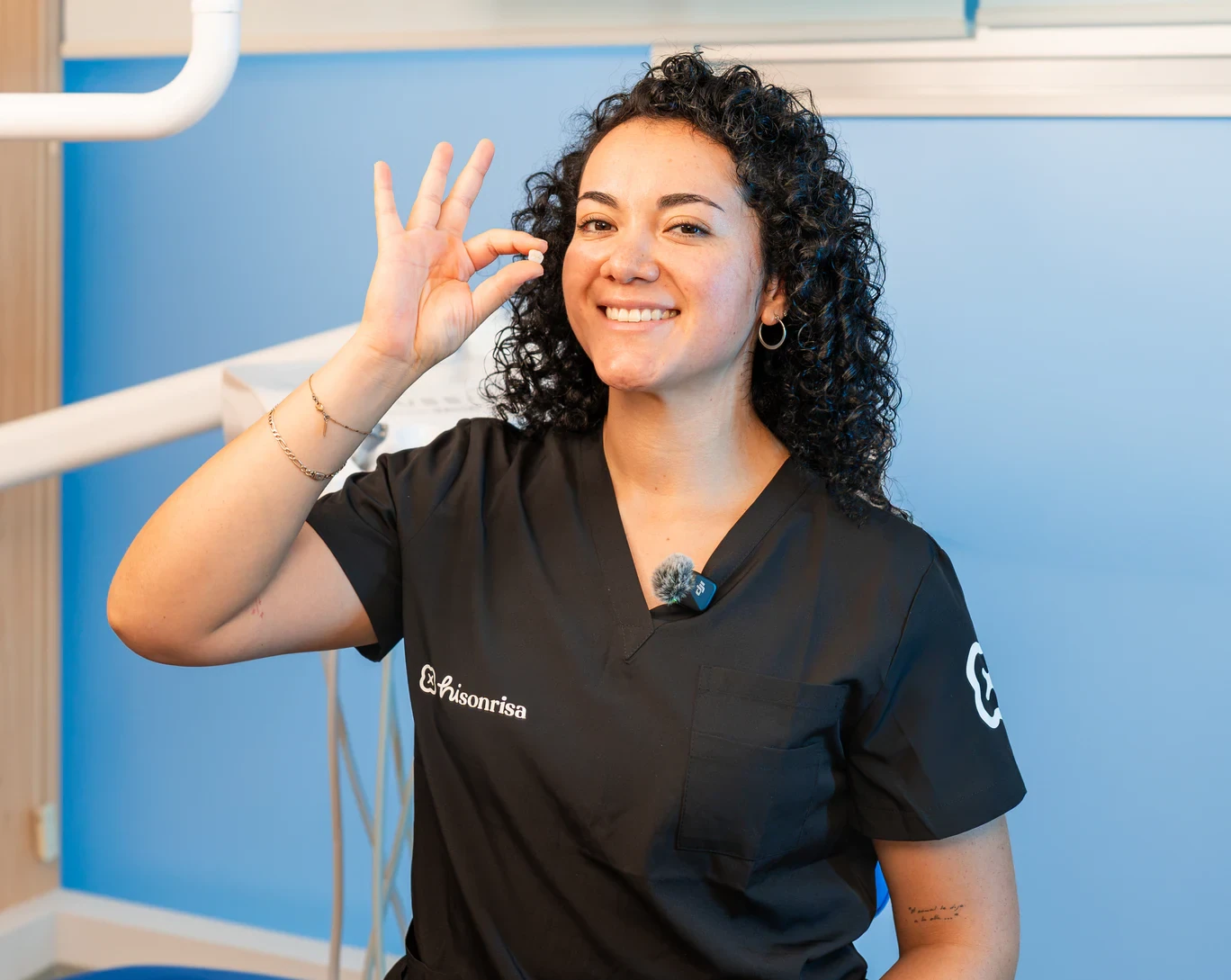
Your dentist's instructions come first
These instructions are general guidance for patients who had a temporary crown, final crown, or crown cementation. Your dentist's instructions come first because crown material, cement type, bite adjustment, and related procedures can change your plan.
Do not chew while your mouth is numb. Start gently once sensation returns, and avoid testing the crown with hard pressure.
If you have a temporary crown, protect it until the final crown is placed. It is meant to come off later at the clinic, so sticky or hard foods can loosen it too early.
Had a root canal and still have a temporary filling, not a crown? Use our root canal aftercare guide instead.
Seek urgent medical care if swelling spreads quickly, you have trouble breathing or swallowing, or you feel seriously ill. For a loose crown, crown that fell off, high bite, worsening pain, fever, pus, or bad taste, message hisonrisa promptly.
Quick answers
After a crown appointment, protect the crown and prepared tooth, keep the gumline clean, and pay attention to your bite. Wait until numbness wears off before eating, chew gently, and contact us if the crown loosens, falls off, feels high, or your symptoms worsen.
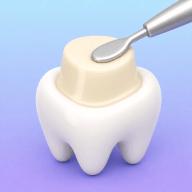
First few hours
Do not chew until numbness is gone. Be careful with hot drinks or foods while sensation is still returning.
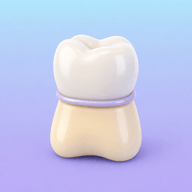
Temporary crown
Chew on the other side and avoid sticky, hard, crunchy, or very chewy foods until the final crown is placed.
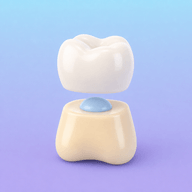
Final crown
Follow the eating instructions your dentist gave you after cementation. The timing depends on the cement and your case.
Message us if something changes
A loose crown, crown that falls off, high bite, worsening pain, swelling, bad taste, or fever should be checked.
Crown care details
Use these techniques to protect a temporary or final crown.

Temporary crown care
- Chew on the opposite side as much as possible.
- Avoid sticky, hard, crunchy, and very chewy foods.
- Do not use the temporary crown to test whether the tooth is strong.
- Call if it feels loose or comes off. Keep the crown safe and bring it with you.

Final crown cementation
- Follow the exact timing your dentist gave you for eating and drinking.
- Follow your dentist's instructions about sticky or hard foods. The timing depends on the cement and your case.
- Return to normal chewing gradually when the bite feels comfortable.
- If the crown hits first, ask for a bite check before you keep chewing on it.

Flossing around a temporary crown
- Slide the floss gently between the teeth.
- Clean the side of the temporary crown without snapping the floss.
- Pull the floss out to the side instead of popping it back up through the contact.
- Brush gently around the gumline unless your dentist gave a different instruction.

Sensitivity and high bite
- Mild sensitivity can happen, but it should trend better.
- A high bite can feel like the crowned tooth hits first or hurts only when chewing.
- A bite adjustment is usually easier before the tooth becomes more irritated.
- Message us if symptoms are severe, worsening, or waking you at night.
Find the instructions for your crown stage
Protect the crown and prepared tooth, keep the gumline clean, and make sure your bite stays comfortable. Use the stage below that matches your treatment.

Protect your numb mouth and new crown
Wait for sensation to return, start gently, and do not test the crown with force.
- Wait until numbness wears off before eating.
- Chew on the opposite side at first.
- Take medication only as your dentist recommended.
- Do not pick at the crown margin or keep checking it with your fingers or tongue.
- Follow the exact eating and drinking timing you were given after cementation.
- Start with soft, cool, or lukewarm foods.
- Use small bites and light pressure.
- Choose yogurt, eggs, soft pasta, oatmeal, mashed potatoes, applesauce, or soft fish.
- Chewing while numb.
- Very hot drinks while numb or sensitive.
- Testing the crown with hard pressure.
- Sticky, hard, crunchy, or very chewy foods.
- Gum tenderness near the crown margin.
- Mild pressure sensitivity.
- Cold sensitivity that is mild and improving.
- A new shape or texture while your bite adapts.
- The bite feels high or the crowned tooth hits first.
- The crown feels loose, clicks, or falls off.
- Pain is strong, worsening, or wakes you at night.
- Swelling, fever, pus, bad taste, or bad odor appears.
Watch sensitivity and bite comfort
Mild tenderness can be expected, but the crown should not feel like it is taking all the pressure when you bite.
- Notice whether symptoms are improving, stable, or worsening.
- Chew gently while the tooth is tender.
- Brush gently around the gumline.
- Tell us if the crown feels too tall or if chewing triggers sharp pain.
- Stay with soft or moderate textures if chewing is uncomfortable.
- Cut food into small pieces.
- Favor the other side if you have a temporary crown.
- Ice, hard candy, hard nuts, popcorn kernels, and crusty bread.
- Sticky candy, caramel, taffy, or gum.
- Chewing through tough meat on the crowned tooth.
- Mild gum tenderness.
- Short cold sensitivity.
- Mild soreness with pressure that improves.
- Pain is getting worse instead of better.
- The bite feels uneven.
- The crown edge feels sharp.
- You avoid biting because your bite feels wrong.
Keep the temporary crown in place
A temporary crown protects the prepared tooth while the final crown is being made. It is intentionally easier to remove later, so it needs extra care now.
- Chew mostly on the opposite side.
- Brush normally but gently around the temporary crown.
- Floss carefully and pull the floss out to the side instead of snapping it upward.
- Keep your final crown appointment.
- Choose soft foods that do not pull on the crown.
- Use smaller bites.
- Keep foods cool or lukewarm if the tooth is sensitive.
- Gum, caramel, taffy, sticky candy, or very chewy foods.
- Ice, popcorn kernels, hard nuts, chips, hard crackers, or crusty bread.
- Pulling floss upward through tight contact.
- Using the temporary crown to test chewing strength.
- The temporary crown can feel less smooth than the final crown.
- The tooth may feel more sensitive than usual.
- The gum may feel tender around the margin.
- The temporary crown feels loose.
- The temporary crown falls off.
- The tooth becomes painful or very sensitive.
- The temporary crown cracks or creates a sharp edge.
Let the final crown settle
A final crown is stronger than a temporary crown, but cementation, gum tenderness, and bite comfort still need attention at first.
- Follow your exact cementation instructions.
- Return to normal chewing gradually as comfort allows.
- Brush and floss daily around the crown.
- Message us if the crown feels high, loose, sharp, or uncomfortable.
- Use normal foods only when numbness is gone and the bite feels comfortable.
- Keep very hard or sticky foods limited during the first day if instructed.
- Cut firm foods instead of biting forcefully at first.
- Chewing hard foods before your dentist's timing allows.
- Trying to ignore a high bite for days.
- Using the crown to crack ice, shells, hard candy, or packages.
- The crown may feel slightly new in shape or texture.
- Short-term cold sensitivity can happen.
- Gum tenderness should trend better.
- The crown hits first when you bite.
- Pain appears mainly when chewing.
- Cold sensitivity is severe, lingering, or worsening.
- The crown feels loose or changes position.

Protect the tooth under the crown
Long-term crown success depends on cleaning the margins, managing bite pressure, and keeping routine dental visits.
- Brush twice daily with fluoride toothpaste.
- Floss around the crown every day.
- Keep professional cleanings and exams.
- Use a night guard if your dentist recommends one for grinding or clenching.
- Most patients can return to normal foods after the crown feels comfortable and your dentist clears you.
- Limit habits that put heavy point pressure on crowns.
- Chewing ice or hard objects.
- Opening packages with your teeth.
- Ignoring bleeding gums around the crown.
- Skipping cleanings if food traps near the crown margin.
- The crown should feel like part of your bite.
- Floss should move through without catching or shredding.
- The gum around the crown should stay clean and comfortable.
- Food starts trapping in a new way.
- Floss catches, shreds, or the contact feels open.
- The gum bleeds, swells, or smells bad around the crown.
- You notice new chips, wear, or soreness from grinding or clenching.

Know when to message us
Have a loose, high, cracked, or painful crown checked promptly.
- Stop chewing on that side if the crown feels loose or falls off.
- Keep the crown safe and bring it with you if it came off.
- Send a photo if there is a broken edge or visible swelling.
- Tell us your pain level, when the crown was placed, and whether symptoms are improving or worsening.
- Do not use super glue.
- Do not force a crown back on if it does not seat easily.
- Do not wait weeks with a high bite.
- Do not keep chewing hard foods if pain is increasing.
- Crown loose, crown fell off, or crown cracked.
- Bite feels high or the tooth hits first.
- Pain is severe, worsening, throbbing, or wakes you at night.
- Swelling, fever, pus, bad taste, bad odor, or facial swelling appears.
What to eat after a dental crown
Choose foods that are soft, low-chew, and not sticky while your mouth is numb, your tooth is sensitive, or a temporary crown is in place.

Yogurt.
Soft and easy to eat with little chewing.

Oatmeal.
Let it cool to lukewarm if the tooth is sensitive.

Scrambled eggs.
Soft and easy to eat in small bites.

Mashed potatoes.
Soft and unlikely to pull on the crown.

Soft pasta.
Cut it into small bites if chewing feels tender.

Soft fish.
Choose tender, well-cooked pieces.

Applesauce.
Requires very little chewing.

Smoothies.
Keep them smooth and skip crunchy add-ins.

Soup, not too hot.
Let it cool if the tooth or mouth is sensitive.

Sticky candy.
Caramel, taffy, or gummies can pull a temporary crown loose.

Gum.
Repeated pulling can dislodge a temporary crown.

Ice.
Hard biting can crack porcelain, tooth structure, or a temporary crown.

Hard nuts.
Small, hard pieces put concentrated pressure on the crown.

Popcorn kernels.
Hard kernels can crack teeth and lodge around restorations.

Chips or hard crackers.
Hard, crunchy pieces can put uneven pressure on a temporary crown.
Crusty bread.
Crusty bread takes more pulling and pressure to chew.

Tough meat.
Heavy chewing can make a tender crown or high bite worse.
Eating by crown stage
While numb: Wait to eat so you do not bite your cheek, lip, or tongue.
Temporary crown: Stay away from sticky, hard, crunchy, and very chewy foods. Chew on the other side.
Final cementation: Follow your dentist's timing for sticky or hard foods after final cementation.
After it feels normal: Return gradually, but do not chew ice or hard candy or use your teeth to open packages.

Warning signs after a dental crown
Contact hisonrisa promptly if the crown, bite, gum, or tooth feels worse instead of better.
- You have trouble breathing or swallowing.
- Facial swelling spreads quickly toward the eye, jaw, or neck.
- You have major facial trauma or uncontrolled bleeding.
- You feel seriously ill.
- The temporary or final crown feels loose.
- The crown falls off. Keep it and bring it with you.
- The crown feels high, tall, or like it hits first.
- Pain is severe, worsening, throbbing, or wakes you at night.
- You have swelling, fever, pus, bad taste, or bad odor.
- The crown cracks, chips, or creates a sharp edge.
- Cold sensitivity is severe, lingers, or gets worse.
- Food starts trapping around the crown in a new way.
Dental crown aftercare FAQs
Short answers to common questions after a temporary crown, final crown, or crown cementation.
Yes, but wait until numbness is gone. With a temporary crown, chew gently on the other side and avoid sticky, hard, crunchy, or very chewy foods. With a final crown, follow the cementation timing your dentist gave you.
Mild sensitivity can last a few days and sometimes longer, especially with cold or pressure. It should keep improving. Severe, lingering, nighttime, or worsening pain needs a dental check.
Usually yes, but be gentle. Slide the floss in, clean carefully, then pull the floss out to the side instead of snapping it back upward through the contact.
Keep the crown, stop chewing on that side, and message us promptly. Do not use super glue. Bring the crown with you if we ask you to come in.
Message us. A crown that feels tall, hits first, or hurts mainly when chewing may need a bite adjustment. Do not try to force yourself to adapt for weeks.
Usually yes once numbness is gone, but avoid very hot drinks while your mouth is numb or the tooth is sensitive. After final cementation, follow your dentist's timing first.
Often yes after the first cementation window and once the bite feels comfortable. Return gradually and message us if chewing feels high, sharp, or painful.
Avoid sticky, hard, crunchy, and very chewy foods, especially with a temporary crown. Gum, caramel, taffy, ice, popcorn kernels, hard nuts, chips, and crusty bread are common problems.
Mild soreness or sensitivity can be normal. Pain that is severe, worsening, throbbing, associated with swelling, or waking you at night is not something to ignore.
Ask your dentist if sensitivity is mild and improving. Sensitive-tooth toothpaste can help some patients, but it does not replace an exam when pain is severe, lingering, or worsening.
Maybe not. If you left with the final crown the same day, focus on final crown cementation, sensitivity, bite comfort, and hygiene instructions instead.
Message us if the crown feels loose, falls off, feels high, cracks, creates a sharp edge, or if pain worsens, swelling appears, fever develops, or you notice pus, bad taste, or bad odor.

Dra. Natalia Vazquez
Clinically reviewedThis page is general aftercare guidance and does not replace your dentist's instructions for your specific case.