





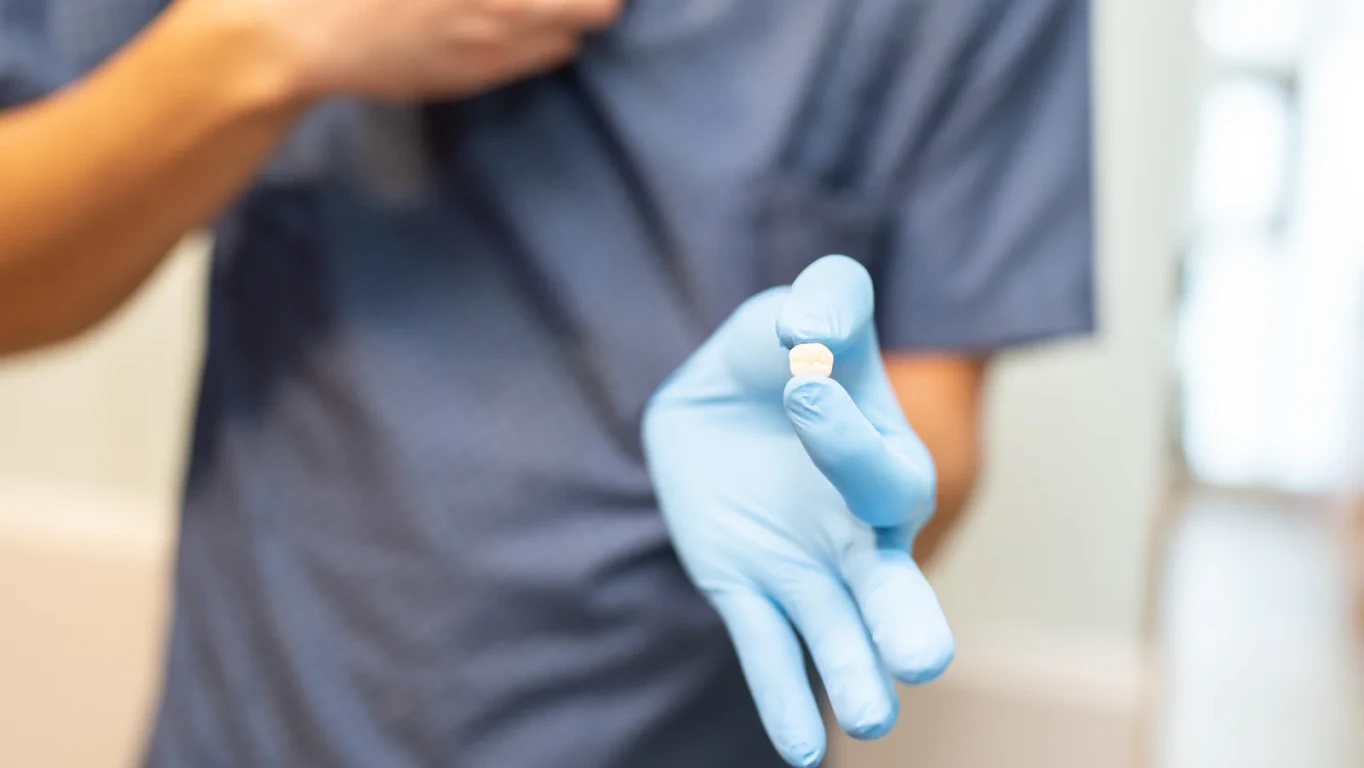
Why a temporary crown needs extra care
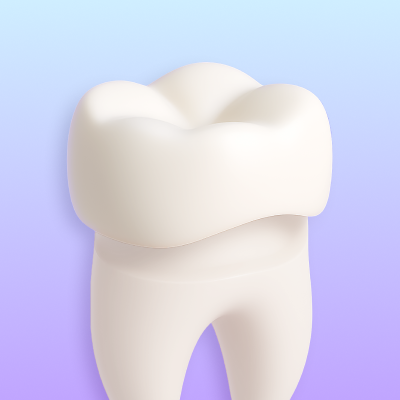
A temporary crown protects a prepared tooth until the next stage of treatment. Because your dentist will remove it later, it may not handle pulling, hard bites, or heavy chewing as well as a final crown.
Use this page as general guidance. Follow your dentist's instructions first, since the tooth, cement, bite, and treatment plan are different for each person.
For care instructions that also cover final crowns, read our complete dental crown aftercare guide .
Get urgent medical care now if you have trouble breathing or swallowing, facial swelling that is spreading quickly, or feel severely ill.
The short version
Keep the area clean, avoid sticky foods and heavy pressure, and contact the clinic if the crown loosens, falls off, hurts more, or changes your bite.
- Eat carefully: Choose soft foods, take small bites, and favor the opposite side.
- Keep it clean: Brush gently and slide floss out sideways instead of pulling upward.
- Do not glue it: Never use superglue or another household adhesive on a tooth or crown.
Daily care around a temporary crown
Clean gently, and do not keep checking or moving the crown.
How to brush and floss
- Brush gently around the crown and gumline unless your dentist told you otherwise.
- Slide floss carefully between the teeth without snapping it against the crown.
- Clean the side of the tooth, then slide the floss out sideways instead of pulling it upward between the teeth.
Related crown guidance
- Read the complete aftercare guide if you also have questions about a final crown.
- Visit the treatment page to learn how dentists assess and plan a crown.
Complete crown aftercare guide · Dental crown treatment planning · Traveling when a temporary crown falls off
Urgent symptoms
- Use the emergency guide for trouble breathing or swallowing, rapidly spreading swelling, major trauma, or severe illness.
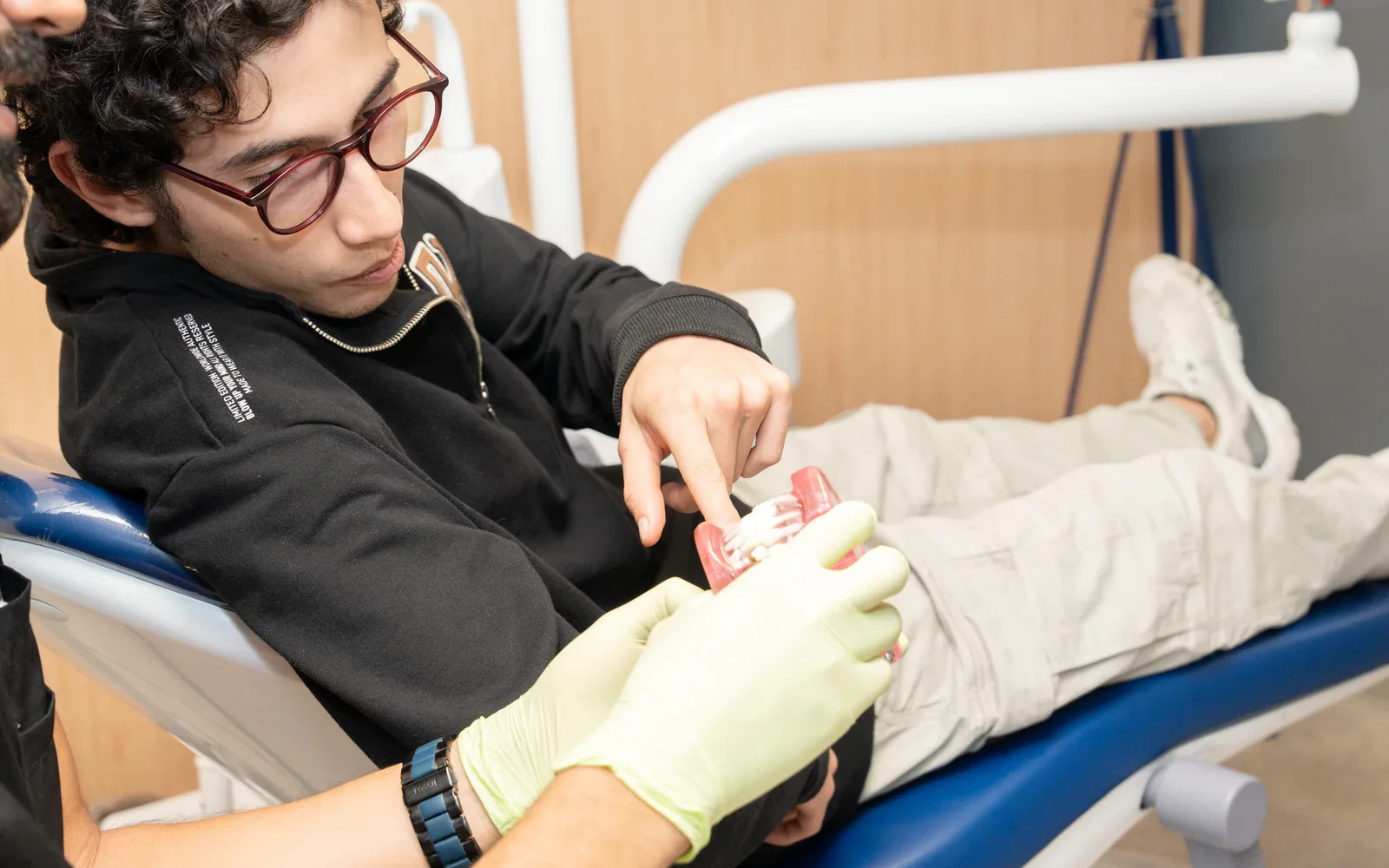
What to do if your temporary crown changes
Start with what changed. A loose crown, a crown that came off, and pain when you bite each call for different care.
If your temporary crown feels loose
Stop checking it with your tongue or fingers, avoid chewing on that side, and contact the clinic promptly so a dentist can examine it.
What to do now
- Message the clinic and explain when the looseness started.
- Favor the opposite side and choose foods that do not pull on the crown.
- Keep brushing gently unless your dentist told you otherwise.
What to avoid
- Do not wiggle, twist, or repeatedly press the crown into place.
- Do not keep chewing on it to see whether it holds.
If your temporary crown falls off
Keep the crown, avoid chewing on the exposed tooth, and contact the clinic promptly. A dentist needs to examine the tooth before deciding whether the crown can be recemented.
What to do now
- Place the crown in a clean container and bring it to your appointment.
- Keep the area clean with gentle brushing.
- Tell us about pain, swelling, a sharp edge, travel plans, or trouble closing your bite.
What to avoid
- Do not use superglue or household adhesive.
- Do not force the crown back on if it does not seat easily.
- Do not chew hard, crunchy, sticky, or very chewy foods on that tooth.
Sensitivity, pain, and bite comfort
Brief, mild sensitivity can happen. Ask for a check if the pain lingers, gets worse, becomes severe, or starts because that tooth hits first.
What to do now
- Pay attention to whether the symptoms are improving or getting worse.
- Message us if the crown feels high or the tooth contacts before the others.
- Share what triggers the pain and whether swelling, fever, pus, bad taste, or bad odor is present.
What can be normal
- Brief, mild sensitivity to cold or pressure that is getting better.
- Minor gum tenderness around the crown edge.
When to message us
- Pain is strong, throbbing, lingering, waking you, or worsening.
- The bite feels high, uneven, or painful when you close.
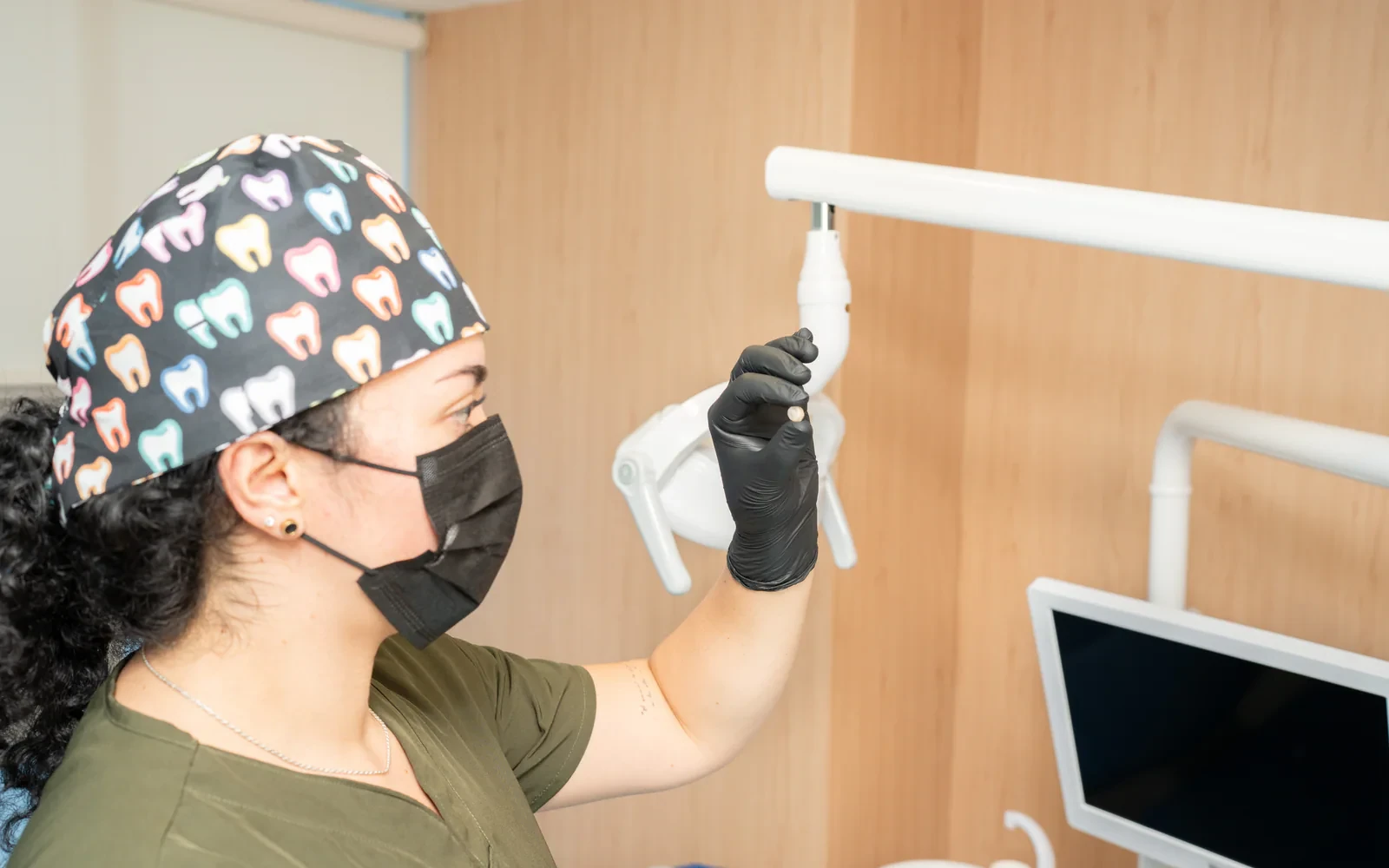
What to eat and avoid with a temporary crown
Choose soft foods, take smaller bites, and chew mostly on the opposite side. This puts less pull and pressure on the crown.
Gentler choices
- Yogurt. Soft and easy to eat with little chewing.
- Oatmeal. Let it cool to lukewarm if the tooth is sensitive.
- Scrambled eggs. Soft and easy to eat in small bites.
- Mashed potatoes. Soft and unlikely to pull on the crown.
- Soft pasta. Cut it into small bites if chewing feels tender.
Foods to avoid
- Sticky candy. Caramel, taffy, or gummies can pull a temporary crown loose.
- Gum. Repeated pulling can dislodge a temporary crown.
- Ice. Hard biting can crack porcelain, tooth structure, or a temporary crown.
- Hard nuts. Small, hard pieces put concentrated pressure on the crown.
- Popcorn kernels. Hard kernels can crack teeth and lodge around restorations.
- Chips or hard crackers. Hard, crunchy pieces can put uneven pressure on a temporary crown.
Simple eating rules
Choose: soft foods that need little chewing and are not sticky.
Chew: on the opposite side whenever practical.
Avoid: sticky, hard, crunchy, and very chewy foods.
When a temporary crown problem needs help
Some symptoms need urgent medical care. Others mean it is time to message the clinic and have the crown checked.
Seek urgent care now if:
- You have trouble breathing or swallowing.
- Facial swelling is spreading rapidly toward the eye, jaw, or neck.
- You feel severely ill.
Message hisonrisa promptly if:
- The crown is loose, fell off, broke, or left a sharp edge.
- Pain is worsening, severe, throbbing, or waking you.
- The bite feels high or that tooth hits first.
- You notice swelling, fever, pus, bad taste, or bad odor.
Temporary crown care FAQs
Clear answers to common questions about living with a temporary crown.
Can I eat with a temporary crown?
Yes. Choose soft foods, chew mainly on the opposite side, and avoid sticky, hard, crunchy, or very chewy foods that may pull on or stress the crown.
Can I brush and floss around a temporary crown?
Usually yes, unless your dentist told you otherwise. Brush gently. Slide the floss in carefully, then pull it out through the side instead of lifting it between the teeth.
What should I do if my temporary crown comes off?
Keep the crown in a clean container, avoid chewing on that tooth, and contact the clinic promptly. Do not force it back into place.
Is sensitivity normal with a temporary crown?
Mild, brief sensitivity that improves can happen. Worsening, lingering, severe, nighttime, or bite-related pain should be checked.
Can I glue a temporary crown back myself?
Do not use superglue or any household adhesive. Contact your dentist for case-specific instructions and an assessment.
How long should a temporary crown stay on?
Keep it for the period your dentist planned and attend the next scheduled visit. The right timing depends on the tooth and treatment. Contact the clinic if the appointment is delayed, the crown feels loose, or your symptoms change.
This guide provides general information and does not replace an in-person dental evaluation, diagnosis, or any X-rays or other imaging your dentist considers necessary.