








Maybe you searched your health history and found a page telling you that one condition, such as smoking, diabetes, or a medication you take, means dental implants are off the table. Or a checklist left you wondering whether booking an evaluation or a flight to Mexico City is worth the effort.
One finding rarely gives you a final yes or no. It may mean treating something first, changing the sequence or technique, coordinating medical and dental care, or discussing another way to replace the tooth. An evaluation may also confirm that you are ready to plan. “Not ready yet” does not automatically mean “never,” and no online checklist can confirm dental implant candidacy. The final answer requires a case-specific examination.
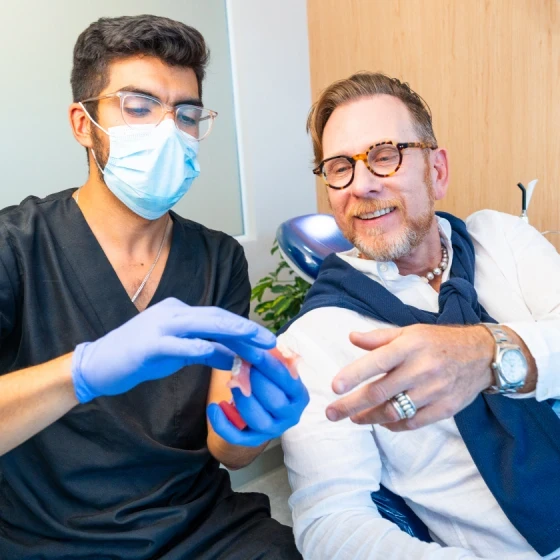
If you want that answer for your own situation, start with a single-tooth implant evaluation and planning visit.
Five answers an implant evaluation can give
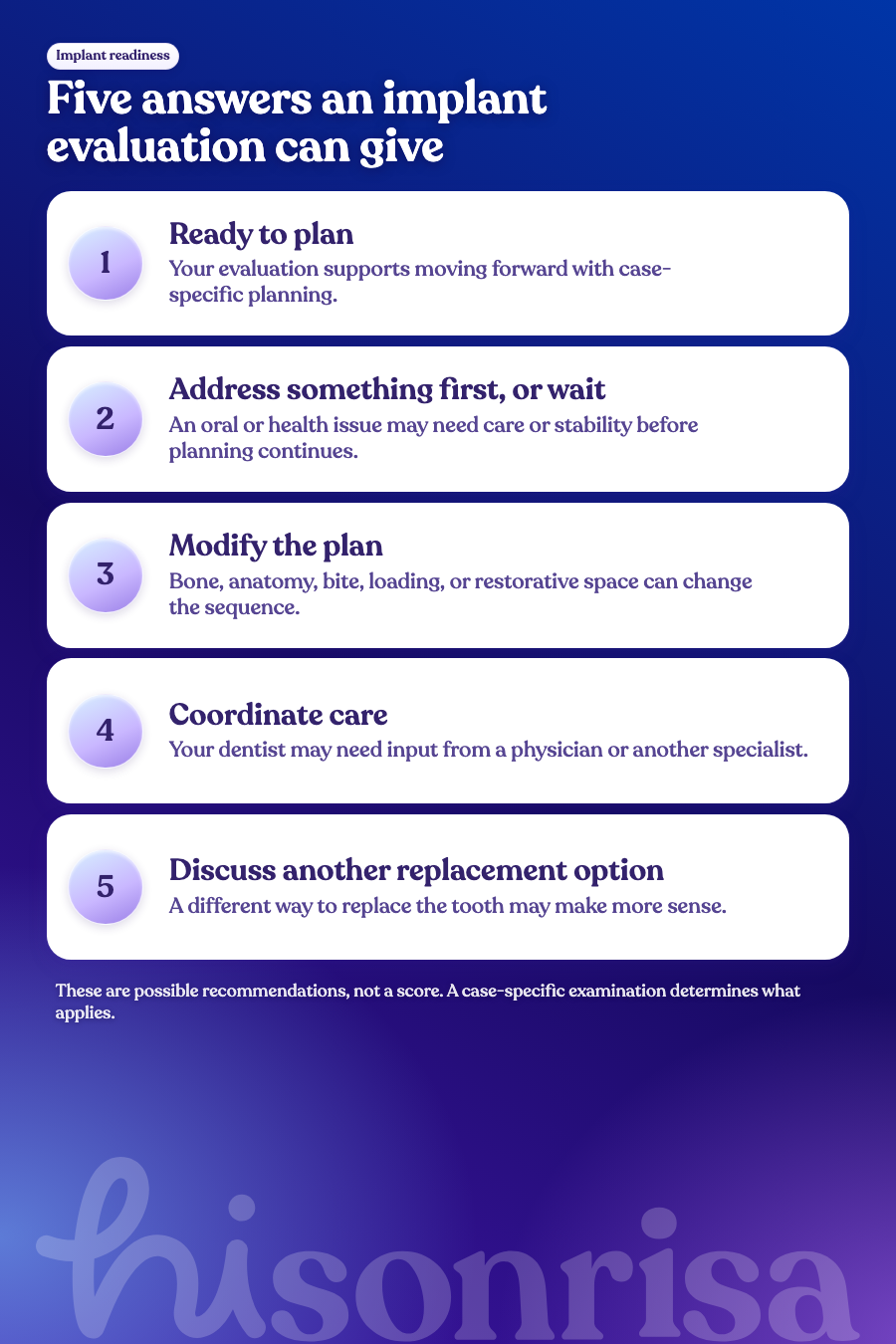
An evaluation can lead to five broad answers. They are not a quiz or a score; they describe the shape a recommendation can take.
Ready to plan. The site, your health, and your ability to complete treatment support moving forward with planning.
Address something first, or wait. Active gum inflammation, another untreated oral problem, or an unstable health situation may need attention before implant planning continues.
Modify the sequence, technique, loading, or restoration. The plan changes rather than stops. Bone volume, anatomy, bite, or the space available for a crown can all reshape how and when treatment happens.
Coordinate medical or dental care. Your dentist may need information from your physician or another specialist before or during treatment.
Discuss another replacement option. In some situations, an implant is not the most sensible route, and a different way to replace the tooth deserves an honest conversation.
A single finding rarely decides which of these applies on its own. Combinations and severity matter, and that is exactly what an examination is for.
What is happening in your mouth right now
Planning starts with the condition of the implant site and the surrounding tissue.
Gum health. Active periodontal disease is different from a history of periodontitis. Ongoing, unmanaged gum disease may need to be brought under control before implant planning moves ahead. A history of treated periodontitis does not automatically exclude an implant, but it remains relevant to long-term risk and maintenance.
Hygiene and maintenance. Daily cleaning and professional maintenance support the health of the tissues around an implant. This is a practical clinical requirement, not a judgment about whether someone is a “good patient.” If cleaning or returning for maintenance is difficult, that belongs in the planning conversation.
Bone and anatomy. The amount and shape of bone, the surrounding tissue, and the position an implant would need all influence the plan. Bone loss can change planning without automatically ruling out an implant. Our separate guide explains how bone loss affects implant planning, including when grafting or sinus anatomy enters the discussion.
Bite, space, and grinding. How your teeth meet, the forces involved, the teeth opposite the gap, and the room available for a crown shape the restoration and how it carries force. Bruxism (clenching or grinding) does not automatically rule out an implant, but it can change restorative and loading decisions.
Health history and medicines that shape the conversation
Medical history matters because it can change timing, risk, coordination, or the treatment options worth discussing.
Nicotine. Cigarette smoking is associated with higher implant risk, but it is not an automatic, universal exclusion. The evidence for vaping and other smoke-free products is still too limited to claim they carry the same quantified risk. Give your clinician an accurate picture of what you use so you can discuss how it affects your situation.
Diabetes. Diabetes does not automatically exclude implant treatment. Current control, healing capacity, other health conditions, hygiene, and coordination with your physician can all matter. There is no single number that decides candidacy from a blog article.
Medicines to disclose. Tell your dentist about everything you take, especially anticoagulants or antiplatelets, antiresorptive or antiangiogenic medicines, steroids, and immunosuppressive treatment. Some situations call for coordination with your physician. Antiresorptive treatment for osteoporosis also requires a different risk discussion from higher-dose regimens used in oncology. Do not start, stop, or change a prescribed medicine on your own; that decision belongs with your prescribing clinician.
Cancer treatment and radiation. Active cancer treatment, prior chemotherapy, and head-and-neck radiation are three different situations, not one. Each affects timing and coordination differently, and there is no universal waiting period that applies to everyone. These cases call for direct communication between your dental and medical teams.
Pregnancy. Because implant placement is elective, pregnancy may change its timing. Necessary dental care should be discussed with the dentist and obstetric team rather than assumed to be prohibited.
Growing patients and older adults. In adolescents, what matters is whether craniofacial growth is complete, not a universal age cutoff. An implant placed before growth finishes can end up out of position as the jaw develops. For older adults, age alone is not an exclusion. Overall health, dexterity, autonomy, hygiene, and the ability to complete care and follow-up tend to matter more than the number of birthdays.
What an implant evaluation needs to answer
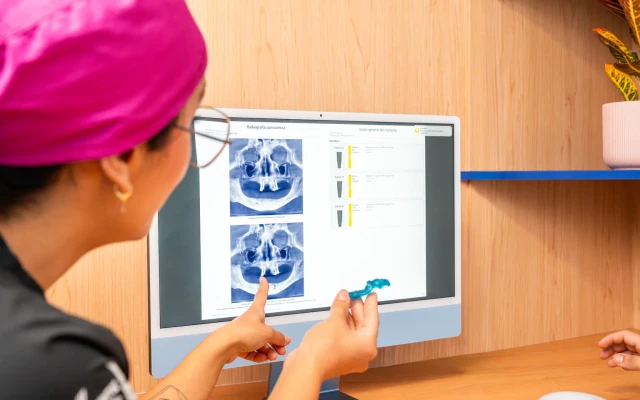
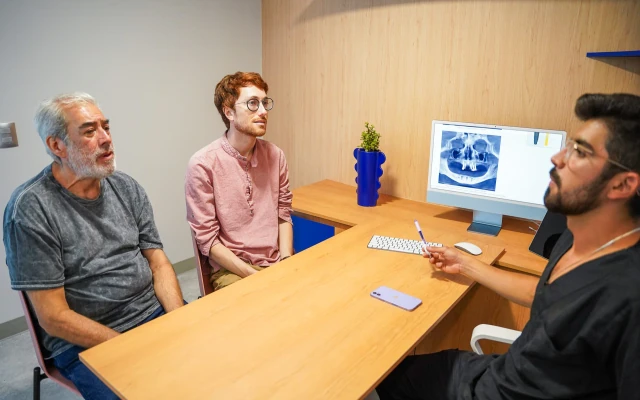
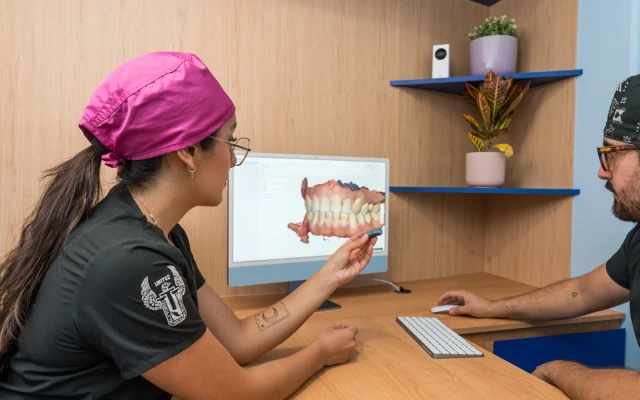
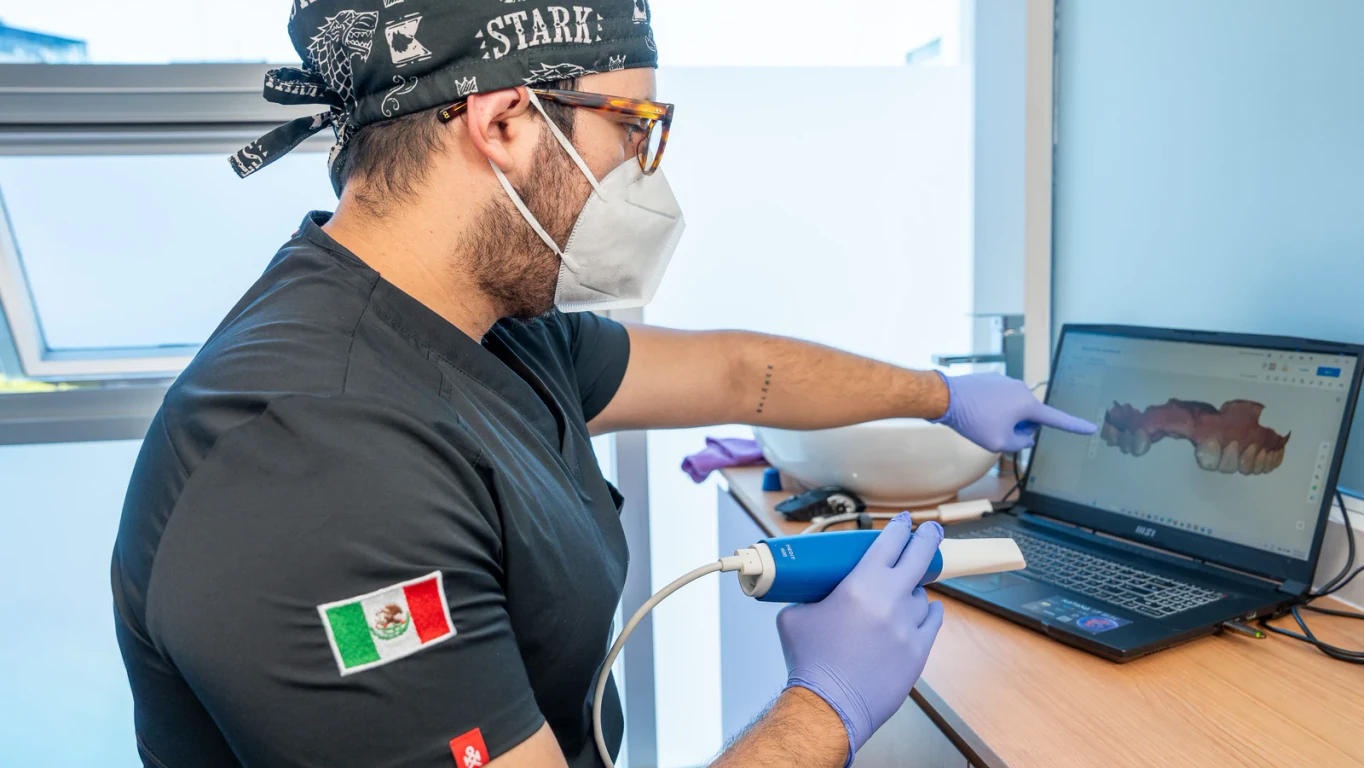
For many implant cases, a CBCT scan is one of the most important planning tools. When the dentist determines it is needed, the 3D image helps assess the available bone and nearby anatomy. That information can change whether an implant is appropriate and how it should be planned. It supplies part of what the dentist needs for a case-specific answer, but the scan does not make the decision by itself. The dentist must interpret it together with your examination, medical and medication history, gum health, bite, restorative needs, and ability to complete follow-up.
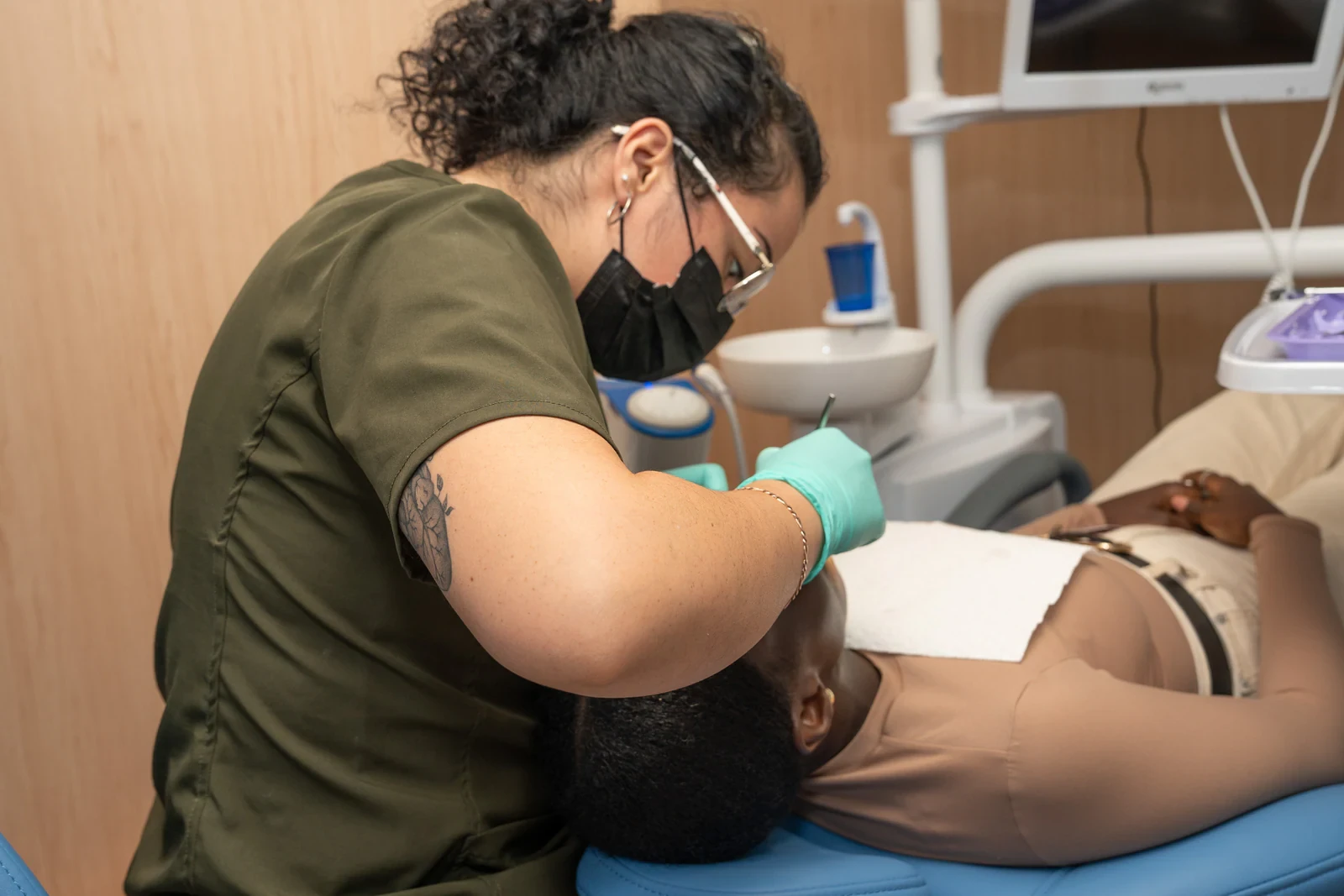
The dentist may recommend patience when there is an acute illness, an unstable health condition, active oral disease, expectations that do not match what treatment can deliver, or a life situation that makes follow-up difficult. Any of these can mean waiting, coordinating, or modifying the plan without automatically making implants impossible.
No message, photograph, checklist, or existing scan can confirm candidacy on its own. An evaluation connects information that only makes sense together.
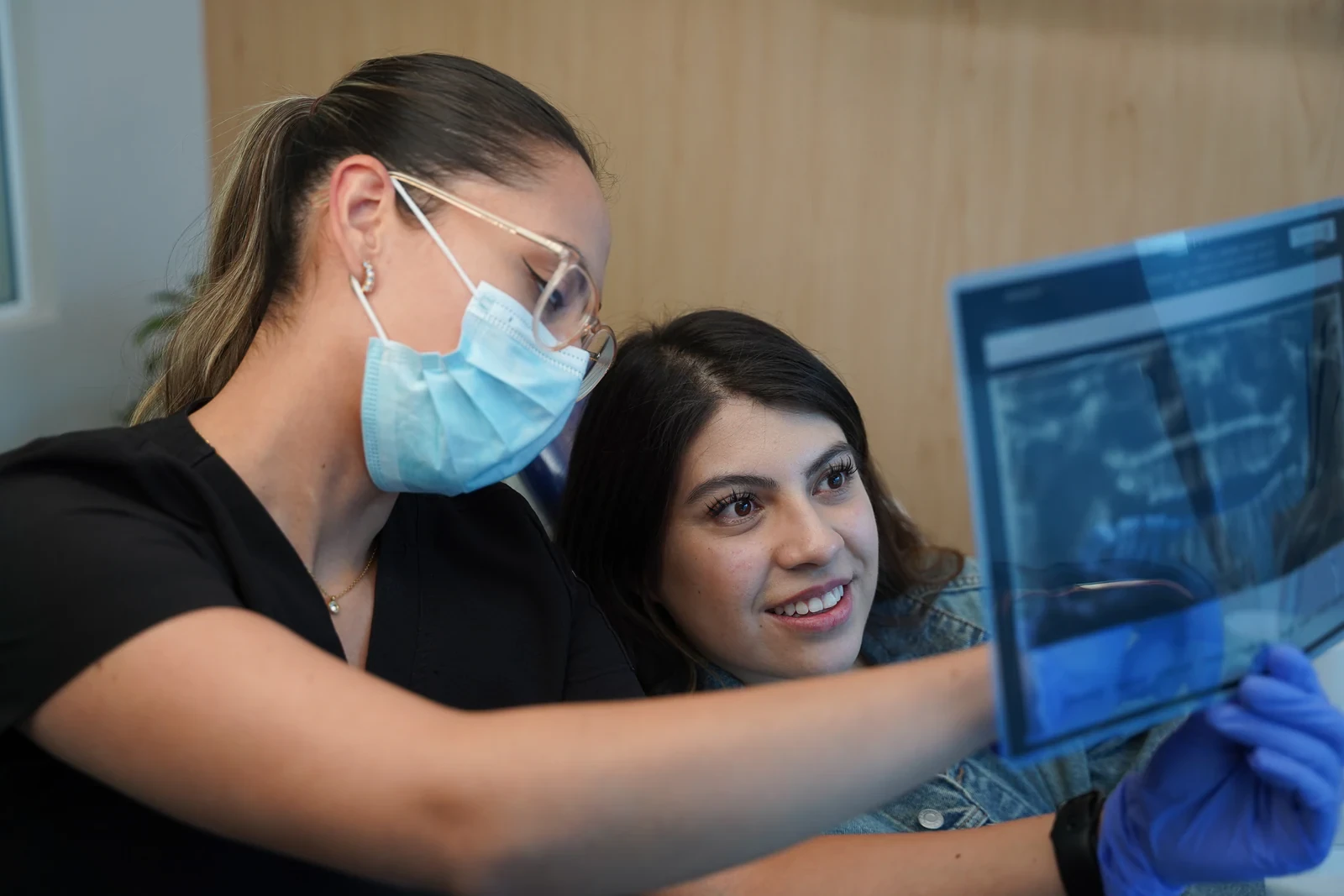
If you are planning around travel to Mexico City
Before you fly, prior X-rays, a medication list, a periodontal history, and notes from your current dentist can clarify what is known and which questions remain. They can make the first conversation more useful. They cannot approve surgery, confirm final candidacy, lock in treatment stages or dates, or produce a final quote; those decisions depend on an in-person examination.
If you are gathering documents before a consultation, the page on dental implant consultation records for patients traveling to Mexico City explains what tends to help. Keep travel dates flexible until the clinical plan is confirmed, and ask who will provide later care when you return home.
Questions to ask if you are told to wait or change the plan
A recommendation to delay, modify, or reconsider is easier to act on when you understand it. Useful questions include:
- What exactly needs to happen first, and how will we know it is resolved?
- Is this a delay, a change in technique or sequence, or a reason to compare another option?
- Which of my health conditions or medicines is driving this, and who should my dentist speak with?
- What can I do in the meantime to improve the conditions for treatment?
- If another replacement option is worth discussing, what are the honest trade-offs in my case?
- What follow-up will this plan require, and who provides it if I live in another city or country?
If you want to know where you stand, you can request a case-specific implant consultation and have these questions answered against your own examination rather than a general list.
Frequently asked questions
Is “not ready for a dental implant yet” the same as never being eligible?
No. It can mean something should be treated first, the sequence or technique should change, or care should be coordinated. It does not settle whether an implant will be appropriate; a final candidacy decision requires an evaluation.
What findings may need attention before implant planning continues?
Active gum disease or other untreated oral problems, an unstable health situation, and circumstances that would make maintenance or follow-up unrealistic are common reasons to address something first. Which applies to you depends on an examination, not a checklist.
Can records show whether traveling to Mexico City for an implant consultation is worthwhile?
Records can clarify your known history and sharpen the questions a consultation should answer, which helps you judge whether the trip makes sense. They cannot confirm candidacy, a surgical plan, timing, or a quote before an in-person examination.
What should I ask if a dentist recommends waiting or changing the implant plan?
Ask what needs to happen first and how the dentist will reassess it, whether this is a delay or a plan modification, which health factors are involved, what you can do meanwhile, and what follow-up the plan requires. Ask for clarification until you understand the next step.
A note before you decide
This article provides general dental information. It does not replace a dental evaluation, diagnosis, or any imaging and review your dentist considers necessary. A dentist determines final implant candidacy and planning case by case, in Mexico City or closer to home.